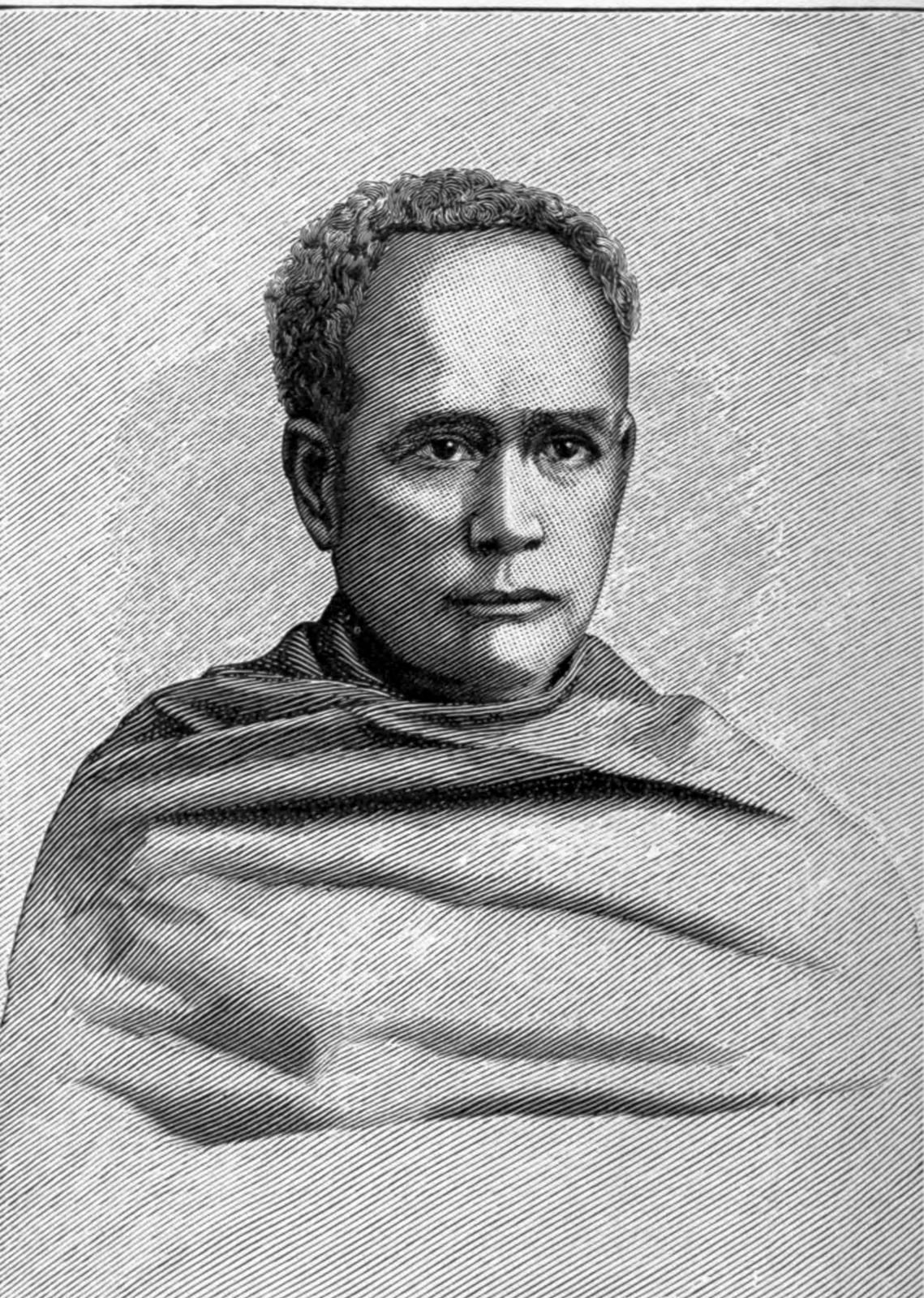
Vidyasagar Wins the Right of Hindu Widows to Remarry
After a campaign led by the scholar Ishwar Chandra Vidyasagar, a new law allowed Hindu widows to marry again.
In July 1856, the Legislative Council of India enacted the Hindu Widows' Remarriage Act, marking a major turning point in nineteenth-century social reform. The passage of the measure followed an intensive campaign headed by Ishwar Chandra Vidyasagar, a prominent educator and Sanskrit scholar. Born Ishwar Chandra Bandyopadhyay in 1820 in the Midnapore district, he earned the title Vidyasagar, meaning Ocean of Knowledge, from the Sanskrit College in Calcutta for his exceptional mastery of traditional learning, grammar, and philosophy.
During the early nineteenth century, the plight of Hindu widows in Bengal was severe. Strict social customs required bereaved women to lead austere lives and wear plain white garments. Because widespread polygamy and early child marriage meant young girls were frequently wed to much older men, thousands of girls were left widowed at very young ages. Vidyasagar viewed these practices as profoundly unjust and dedicated himself to changing Hindu society from within rather than forming separate communal bodies.

Keep reading in Yester
Coming soonKeep following the story
Sources
Image: Sastri, Sibnath, 1847-1919 · Public domain · Wikimedia Commons · cropped
