British India Outlaws Sati
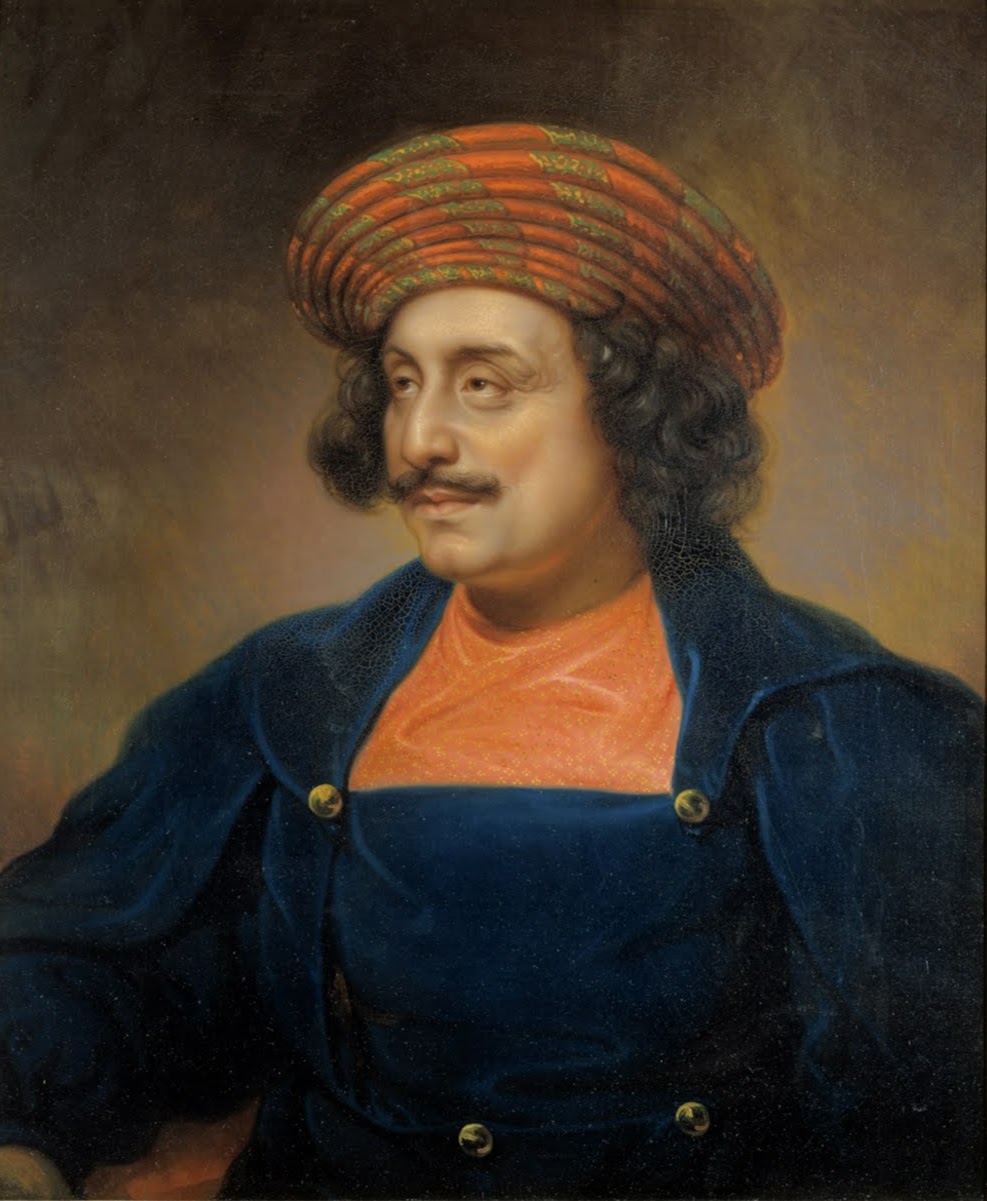
Governor-General William Bentinck banned the burning of widows on their husbands’ pyres after a long campaign by Ram Mohan Roy and others.
On December 4, 1829, the Governor-General of British India, Lord William Bentinck, issued Regulation XVII of the Bengal Code, declaring the immolation or burying alive of Hindu widows illegal throughout the presidency of Fort William. Known historically as sati, the practice involved a surviving widow perishing upon the funeral pyre of her deceased husband or being interred with him. Previous attempts by colonial administrators to discourage the custom through piecemeal regulations had produced negligible results. Convinced that partial remedies could not eradicate the violence, the governor-general in council enacted a complete, open prohibition that brought the act under the jurisdiction of the criminal courts of the Bengal Presidency.
The official preamble of the regulation stressed that sati was neither universally observed across India nor commanded as an indispensable obligation by Hindu scripture. Colonial authorities argued instead that religious texts favored a life of ascetic purity and retirement for widows. In several vast districts, the custom was practically absent, whereas in localities where it occurred frequently, observers had documented numerous acts of coercion that shocked surrounding populations. Bentinck's administration balanced its long-standing policy of non-interference in religious customs against what it defined as the fundamental requirements of justice and human welfare, maintaining that ending the practice did not subvert essential religious observances.

Keep reading in Yester
Coming soonKeep following the story

Sources
- Bentinck's Minute on Sati and Regulation XVII, 1829 (Center for History and New Media, George Mason University)
- Dharma Sabha, The (Banglapedia)
- Threads of Empire: Sati (University of Nottingham Manuscripts and Special Collections)
- The Bengal Sati Regulation, 1829, full text (LegitQuest)
- Abolition of Sati and Social Reform (GKToday)
- Bengal Sati Regulation, 1829
Image: Rembrandt Peale · Public domain · Wikimedia Commons · cropped
