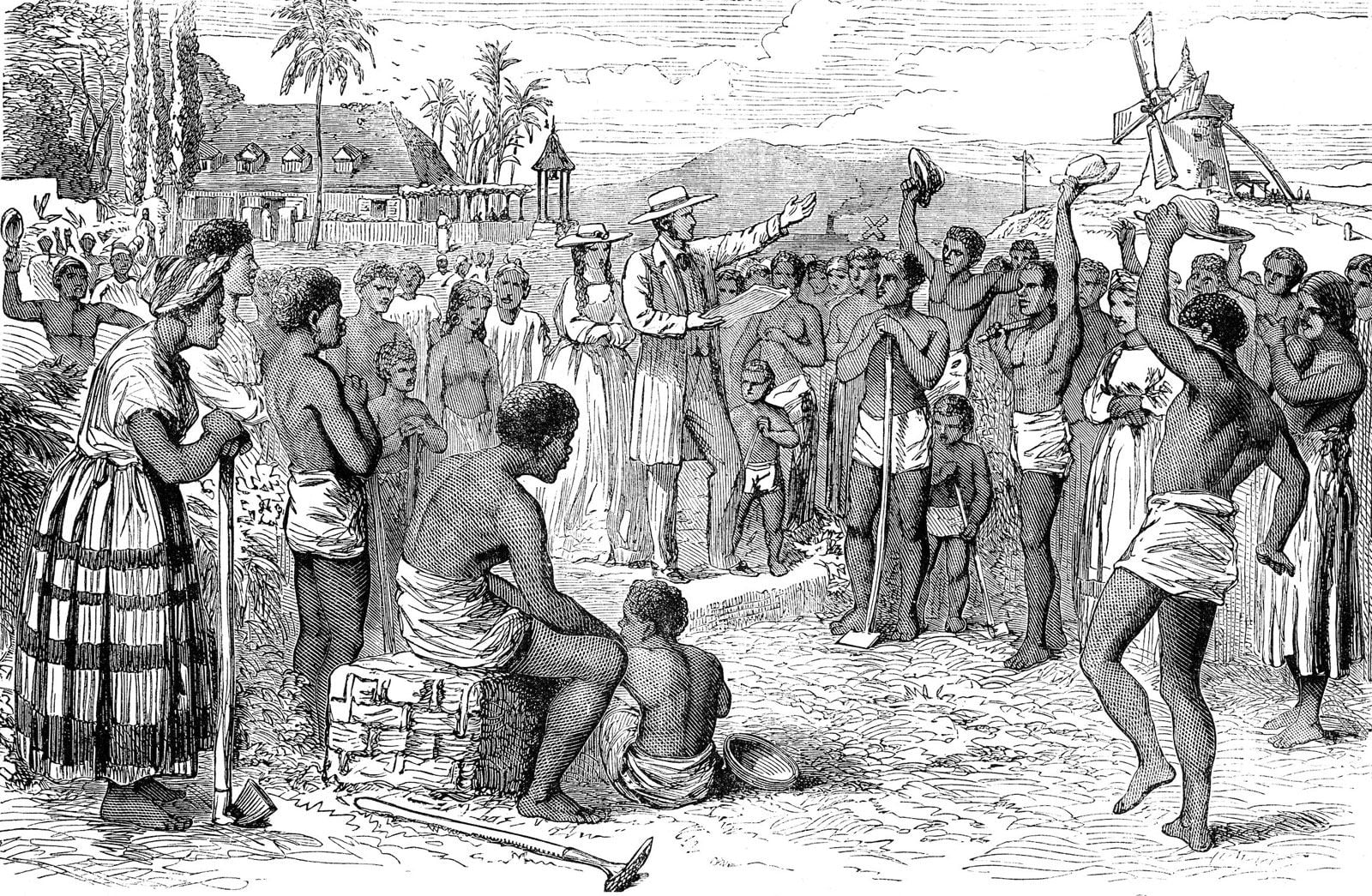
Full Freedom Comes to Britain’s Caribbean Colonies
After four years of forced apprenticeship, formerly enslaved people across the British Caribbean became fully free on 1 August 1838.
On 1 August 1838, hundreds of thousands of formerly enslaved people in the British Caribbean gained full legal freedom. Although the Slavery Abolition Act had received royal assent five years earlier in August 1833 and officially came into force on 1 August 1834, it had not brought immediate liberty for most adults. Instead, parliament instituted a mandatory period of unfree apprenticeship. This transitional system prolonged bound plantation labour across the colonies until sustained public campaigning, resistance, and legal action brought it to an early end.
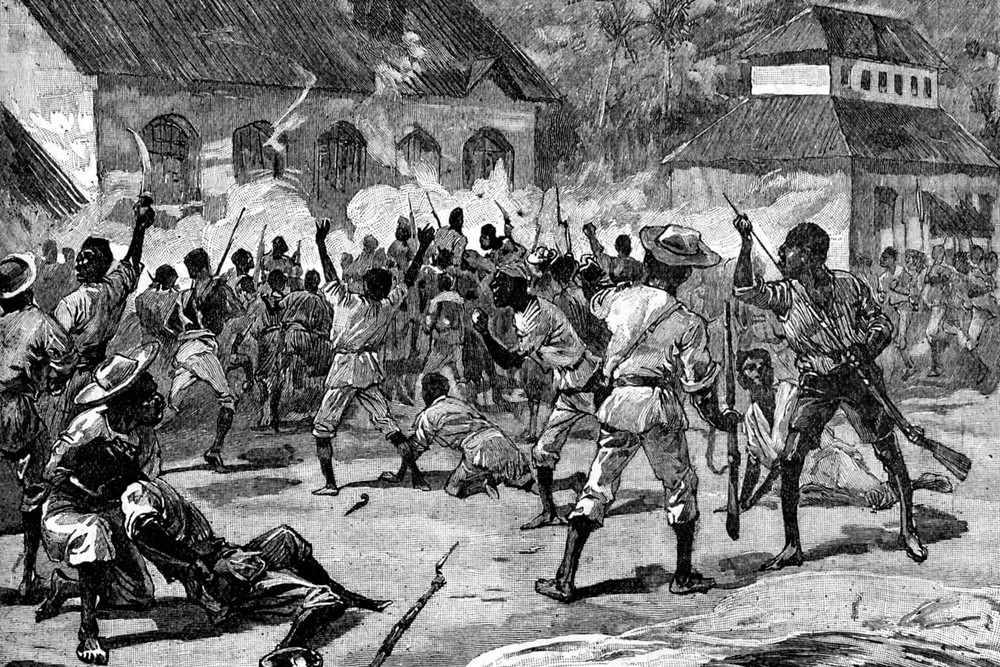
The 1833 statute was the culmination of decades of agitation by British abolitionists, along with decisive pressure from within the colonies. In late 1831, the Baptist War broke out across Jamaica, led by Samuel Sharpe. The suppression of this large revolt caused significant property loss and casualties, prompting parliamentary inquiries. Combined with the parliamentary reform of 1832, which sharply reduced the political influence of the West India planter lobby, these inquiries paved the way for Earl Grey's administration to pass emancipation legislation through compensated abolition.

Keep reading in Yester
Coming soonKeep following the story
Sources
- The 1833 Abolition of Slavery Act and compensation claims (The National Archives, UK)
- 1833 Slavery Abolition Act: The Long Road to Emancipation in the British West Indies (History of Parliament)
- Emancipation (University of Aberdeen Special Collections exhibition)
- Apprenticeship (Discovering Bristol)
- The apprenticeship system (King's College London Caribbean exhibition)
- Slavery Abolition Act 1833
Image: Unknown author · Public domain · Wikimedia Commons · cropped
