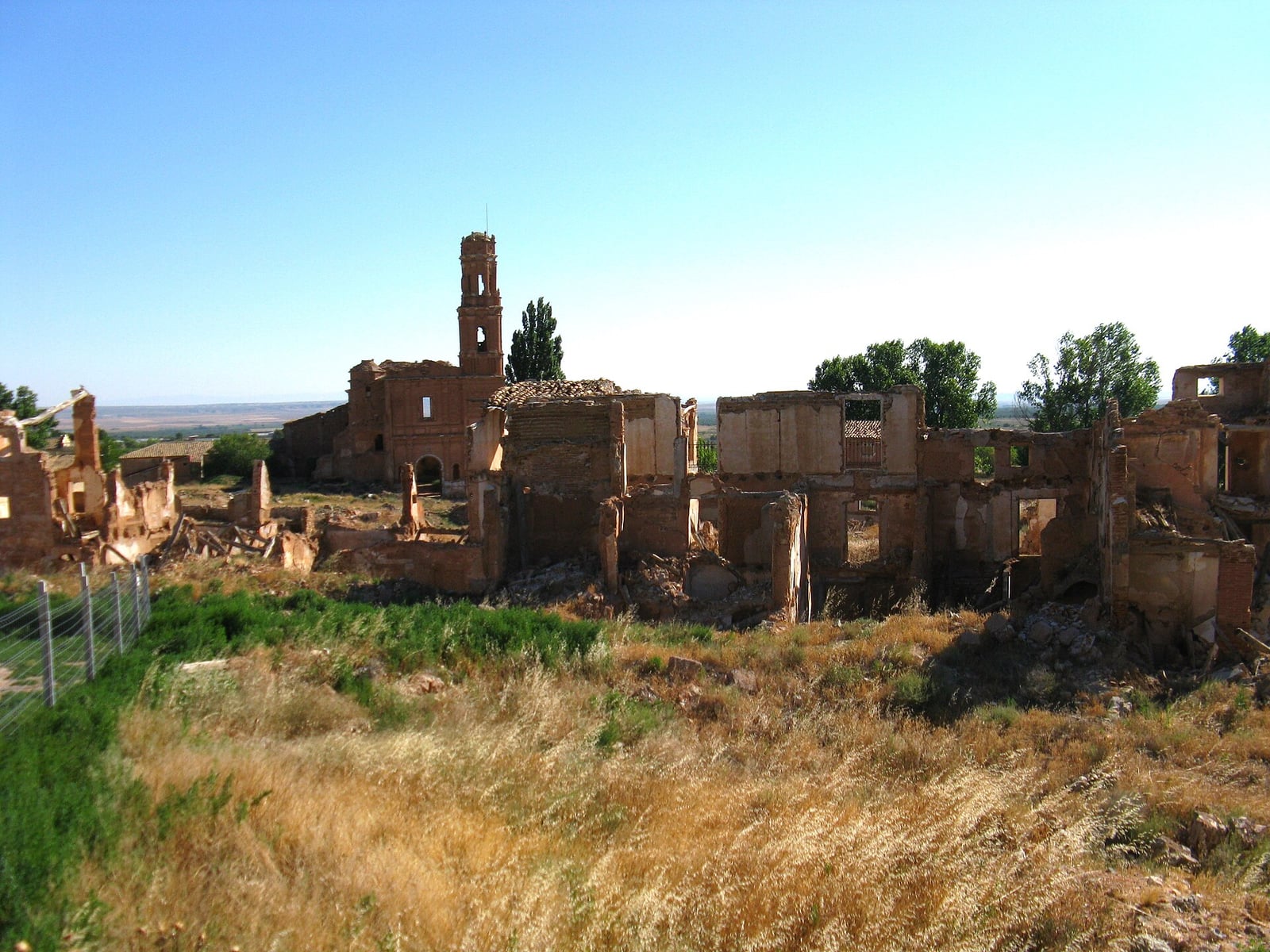
A Military Uprising Plunges Spain into Civil War
Army officers rose against the elected Republic, and the war that followed lasted nearly three years and ended in Franco’s dictatorship.
In July 1936, a long-planned rebellion by elements of the Spanish armed forces attempted to overthrow the Second Spanish Republic. Tensions had escalated sharply following the narrow electoral victory of the left-wing Popular Front coalition earlier that February. Land seizures by peasants, widespread labor strikes, and retaliatory clashes between rival partisan groups multiplied across the country. In response, right-wing organizations, monarchists, Carlists, and the fascist Falange party aligned themselves with dissident officers, convinced that the parliamentary republic could no longer guarantee order or protect their interests.
The conspiracy was orchestrated primarily by General Emilio Mola, who designed an outline for a military-led authoritarian directory. Although the conspirators planned a swift seizure of key strategic centers, rebelling units failed to secure Madrid, Barcelona, and several other major urban areas. The Republican state survived this opening blow by distributing arms to trade unions, socialist movements, and leftist militias. Instead of executing a rapid coup d'état, the insurgent generals found themselves in control of only parts of the country, dividing Spain into two competing armed zones.

Keep reading in Yester
Coming soonKeep following the story
Sources
Image: S. Rae from Scotland, UK · CC BY 2.0 · Wikimedia Commons · cropped
