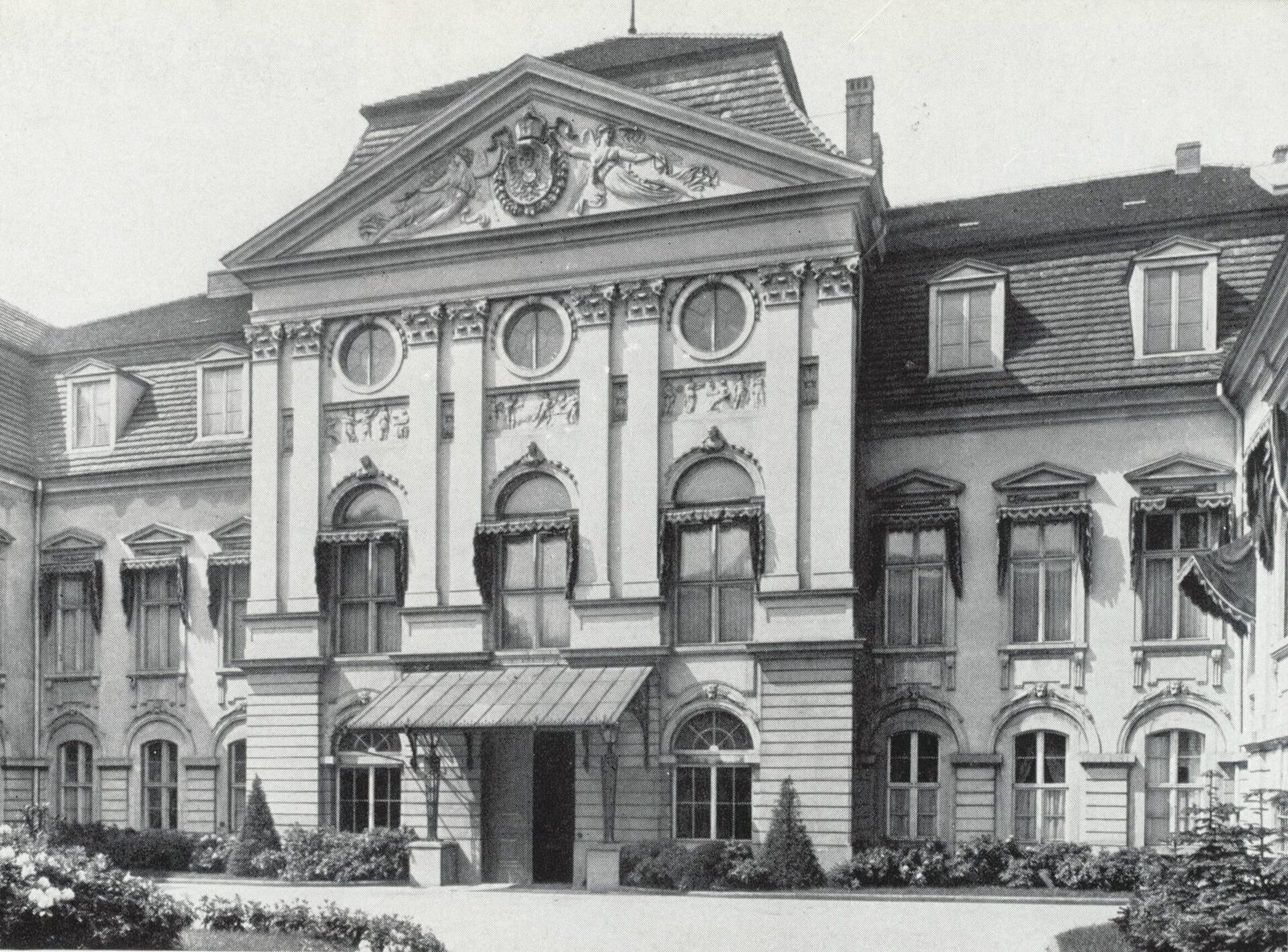
Hitler Is Appointed Chancellor of Germany
Conservative politicians who thought they could control the Nazi leader handed him power, and within months Germany was a dictatorship.
On January 30, 1933, Adolf Hitler was sworn in as Germany's chancellor before President Paul von Hindenburg. The ceremony in Berlin concluded months of political deadlock following parliamentary elections in July and November 1932, neither of which had produced a workable majority. Hindenburg, an elderly monarchist conservative who had defeated Hitler in the presidential race nine months earlier, had long resisted placing the Nazi leader at the head of the government. He finally acquiesced after weeks of backroom discussions arranged by former chancellor Franz von Papen, who secured an agreement to install Hitler at the head of a coalition cabinet alongside the German National People's Party.
Papen and his fellow conservatives operated under the assumption that they could control Hitler by surrounding him with experienced traditionalists. Besides Hitler himself, only two members of the new cabinet, Wilhelm Frick and Hermann Göring, were Nazis, with Papen serving as vice chancellor. Papen believed this conservative numerical advantage would effectively tame the Nazi leadership while harnessing its popular base. Domestic political observers and foreign commentators similarly underestimated Hitler's prospects, and many diplomats in Berlin assumed he would not stay in office for long.

Keep reading in Yester
Coming soonKeep following the story
Sources
Image: Unknown author · Public domain · Wikimedia Commons · cropped
