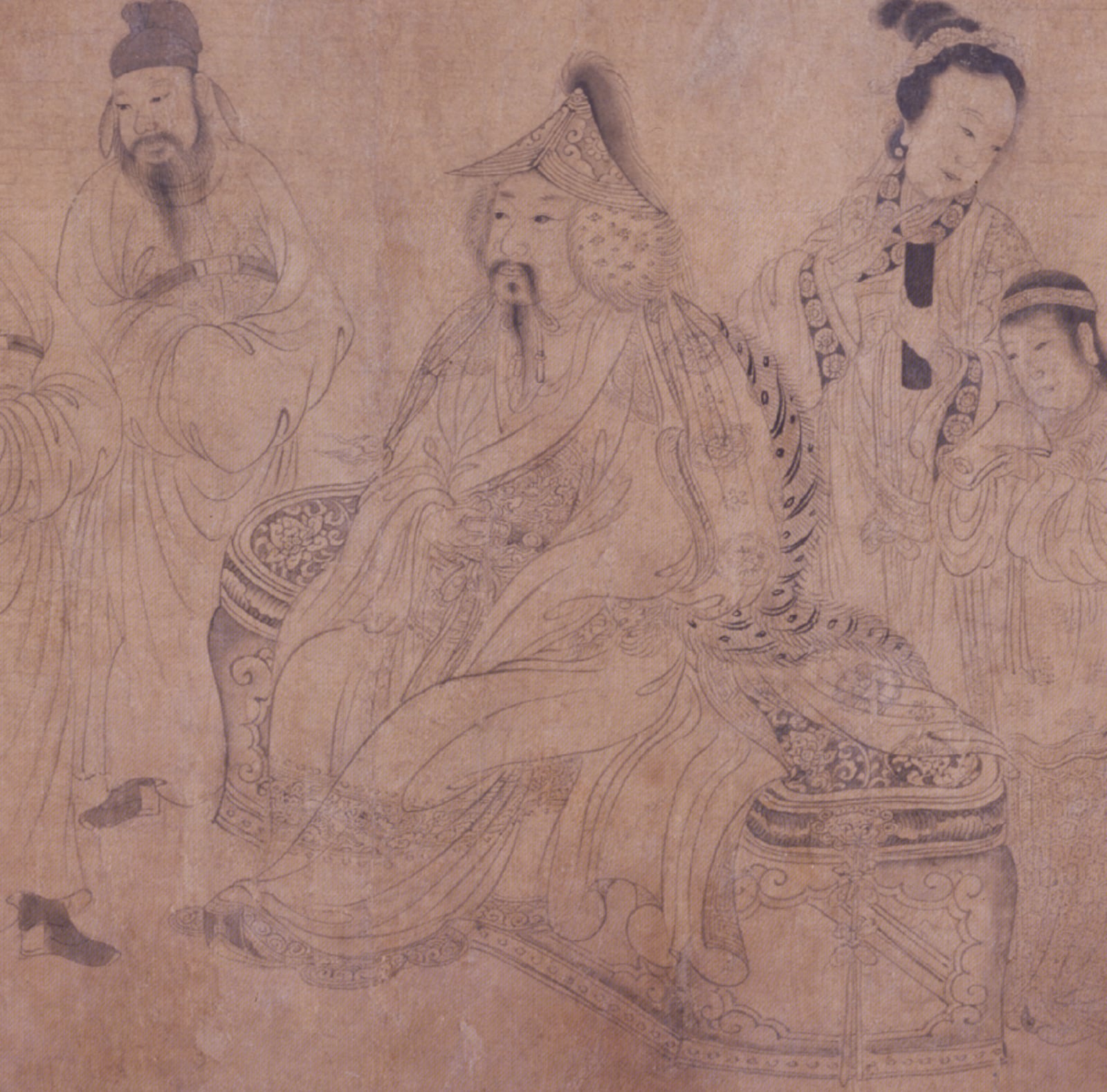
Ming Armies Drive the Last Yuan Emperor from Dadu
As Ming troops approached, the Yuan emperor Toghon Temür fled north from Dadu, ending Mongol rule over China.
In 1368, the armies of the newly founded Ming dynasty advanced steadily across northern China toward Khanbaliq, the Yuan capital, known to history as Dadu (modern Beijing). Their march followed a decisive campaign directed by Zhu Yuanzhang, the rebel commander who had consolidated southern China and proclaimed himself the Hongwu Emperor. As Ming armies under the general Xu Da advanced, the road to the capital lay exposed. Toghon Temür, the last Yuan emperor to rule China, ignored appeals to stay and defend the city and left with his court in September 1368, heading north toward Shangdu. Ming troops entered Dadu with little resistance, and Britannica dates their occupation to 14 September 1368.
Toghon Temür had occupied the imperial throne since 1333, a reign that lasted until 1368 and was longer than that of any other Yuan emperor. His rise had emerged from years of vicious succession struggles that began in 1328, followed by the sudden death of his father, Kusala, in 1329. Sent into exile in his youth, first to Goryeo (Korea) and then to Guangxi, the young prince returned to the capital only after the death of the powerful kingmaker El Temür. For the first seven years of his reign, political power remained concentrated in the hands of another dominant minister, Bayan, until Toghon Temür allied with Bayan's nephew Toqto'a to stage a palace coup in 1340.

Keep reading in Yester
Coming soonKeep following the story
Sources
Image: 松照庵 · Public domain · Wikimedia Commons · cropped
