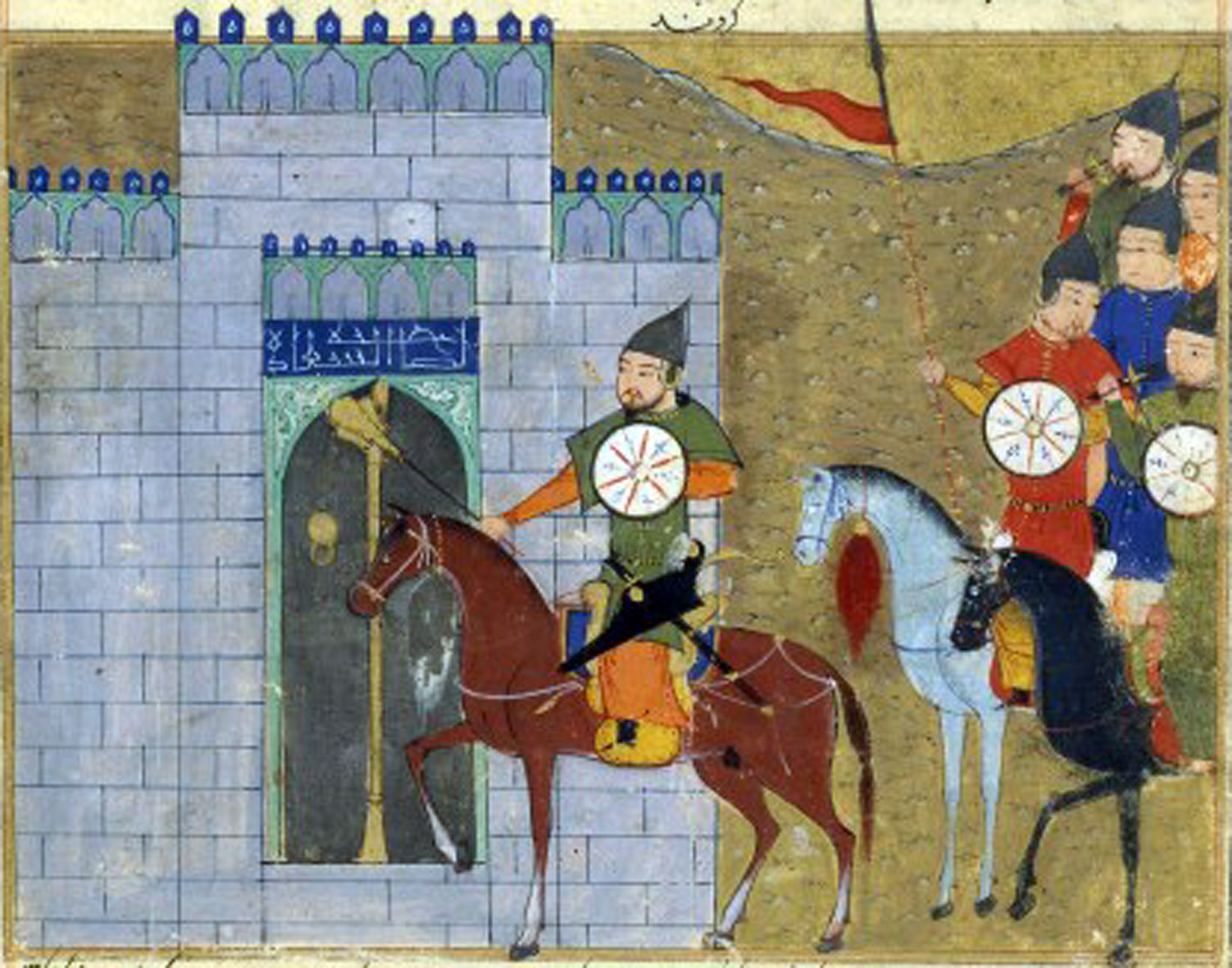
Mongol Armies Take the Jin Capital Zhongdu
After a siege, a truce and a renewed attack, the Jin capital at present-day Beijing fell to the Mongols and the Jin were left a shrunken state.
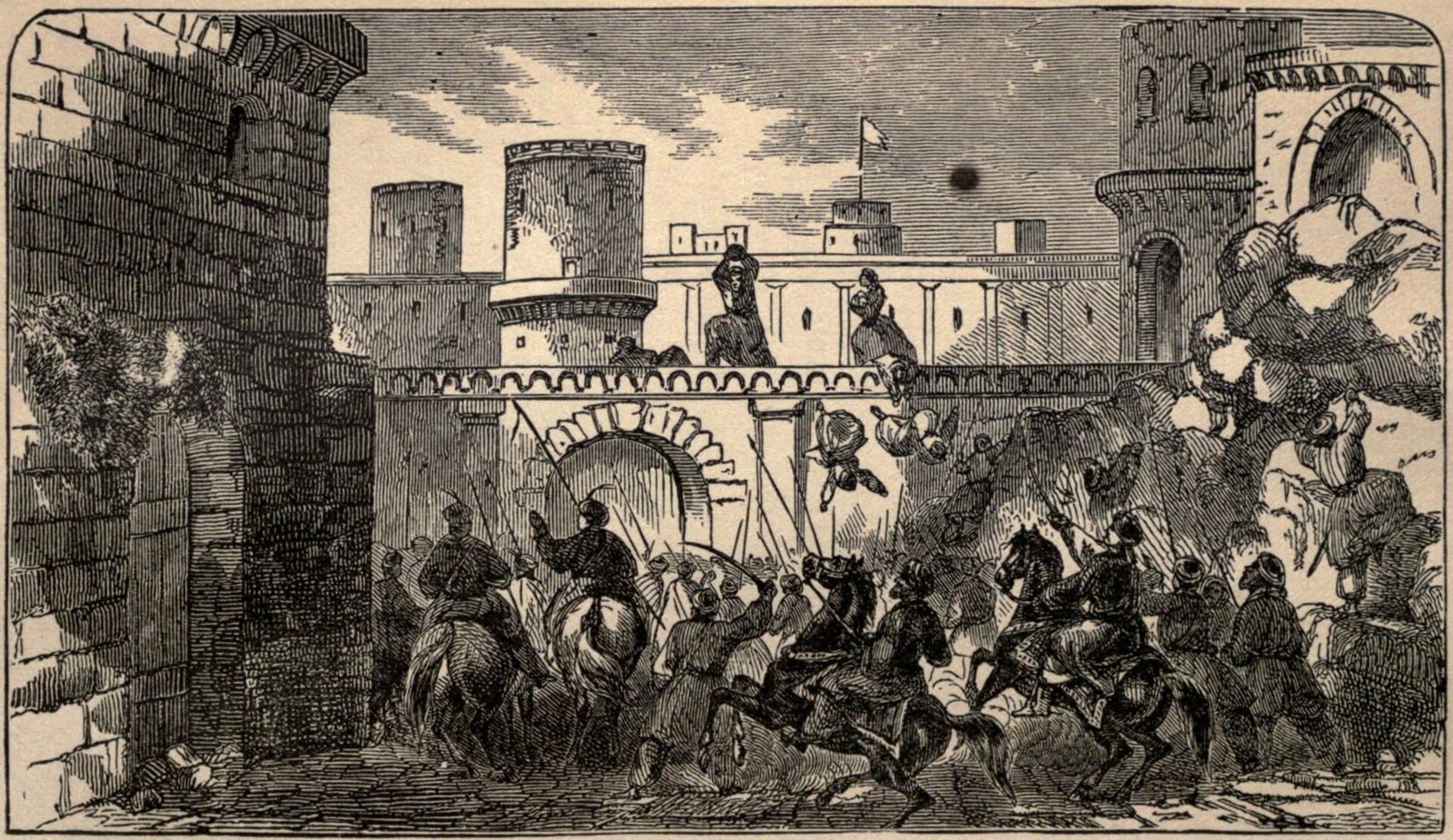
In 1215, the forces of the Mongol Empire completed the capture of Zhongdu, the northern capital of the Jurchen Jin dynasty situated at the site of present-day Beijing. The surrender of the heavily fortified city came after a first siege in 1213 and 1214, a short-lived truce, and a renewed Mongol attack. The fall of the imperial seat eliminated Jin central control over northern China and marked a major shift in the balance of power across East Asia, reducing the Jin to a small state south of the old frontier, a state the Mongols later destroyed.
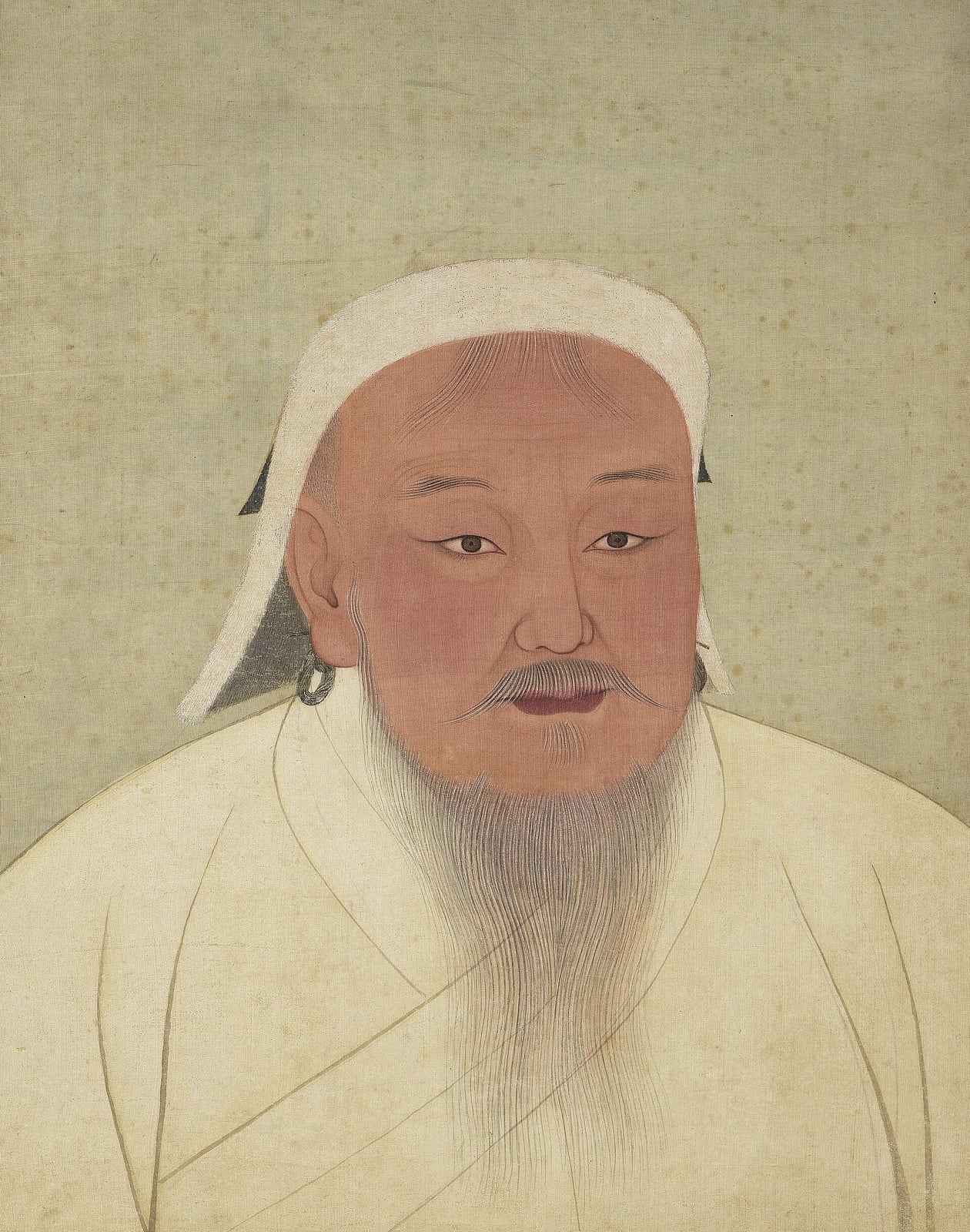
The campaign against the Jin began following the political unification of the Mongolian plateau under Temujin. At a kurultai held in 1206, the tribal leader formally adopted the title of Genghis Khan and established the administrative foundation of the Mongol state. After securing the submission of the neighboring Western Xia dynasty between 1209 and 1210, Genghis Khan turned toward the Jin empire. In 1210, he ceased paying required tribute, initiating open hostilities. Facing larger Jin armies, Mongol divisions crossed the frontier in the spring of 1211 under commanders such as Jebe, pushing through mountain passes and targeting regional urban centers.

Keep reading in Yester
Coming soonKeep following the story
Sources
Image: Sayf al-Vâhidî. Hérât. Afghanistan · Public domain · Wikimedia Commons · cropped
