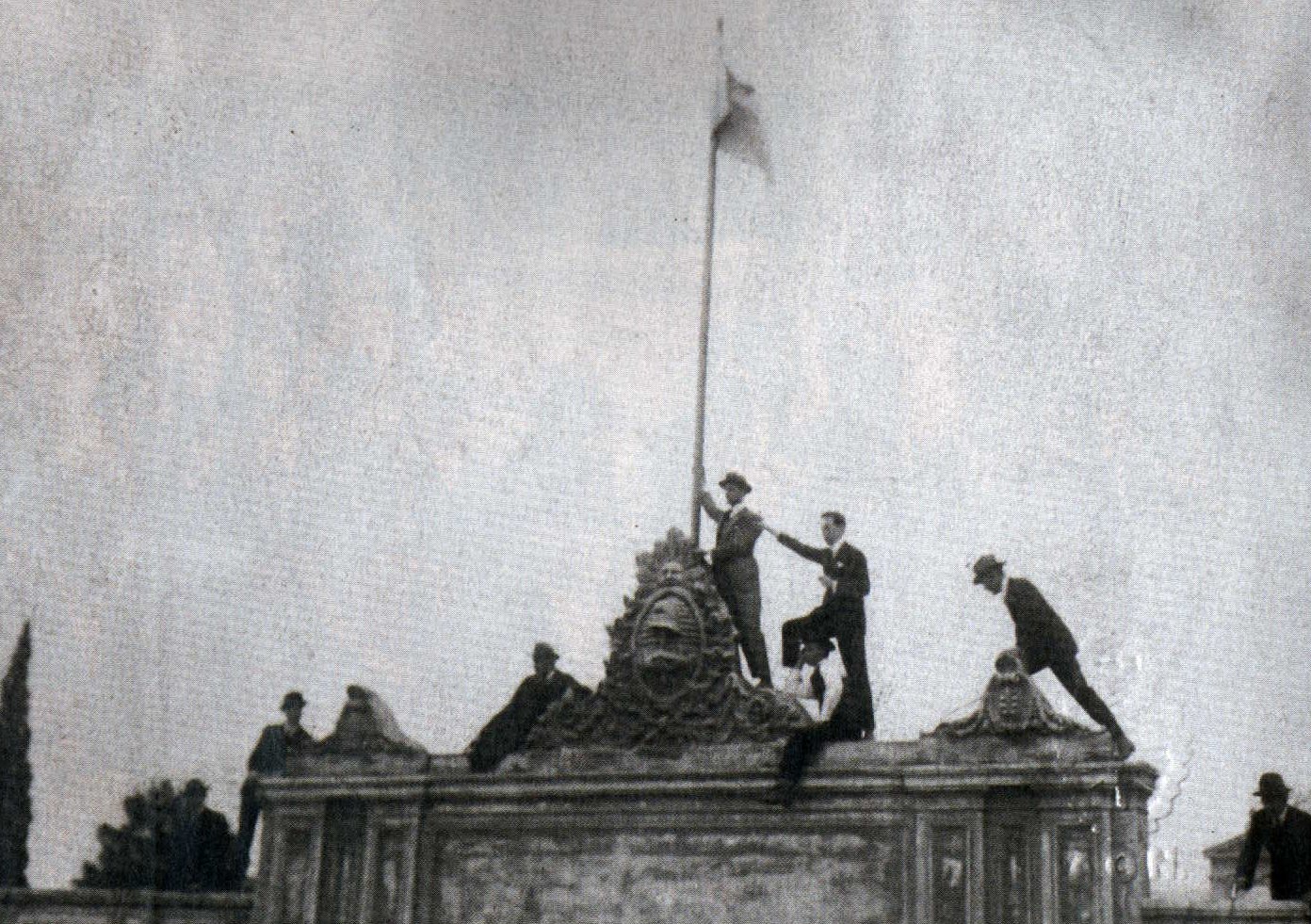
Córdoba Students Demand a Modern University
Students at the University of Córdoba rose against a closed, clerical institution, and their reform spread across Latin America.
In early 1918, students at the National University of Córdoba organized against an institution long dominated by clerical authority and conservative elites. Founded in the seventeenth century by the Jesuits, the university preserved traditional patterns in which professors held lifetime appointments, academic leadership was self-perpetuating, and the Superior Council refused student requests for new teachers and curriculum reform. A conflict erupted in late 1917 after the boarding system at the university's teaching hospital was ended, prompting student demonstrations that soon transformed into a comprehensive campaign for structural modernization.
This university unrest arose against a backdrop of wider societal change in Argentina. Decades of heavy European immigration had diluted the political monopoly of the traditional landed oligarchy. Following the passage of the 1912 electoral law, a broader electorate had elevated the less conservative president Hipólito Yrigoyen to power in 1916. Nevertheless, higher education remained an enclave of aristocratic privilege. When students formed representative centers and demanded formal revisions to the governance statutes of Córdoba, the established academic leadership initially ignored their appeals.

Keep reading in Yester
Coming soonKeep following the story
Sources
Image: Autor no identificado. · Public domain · Wikimedia Commons · cropped
