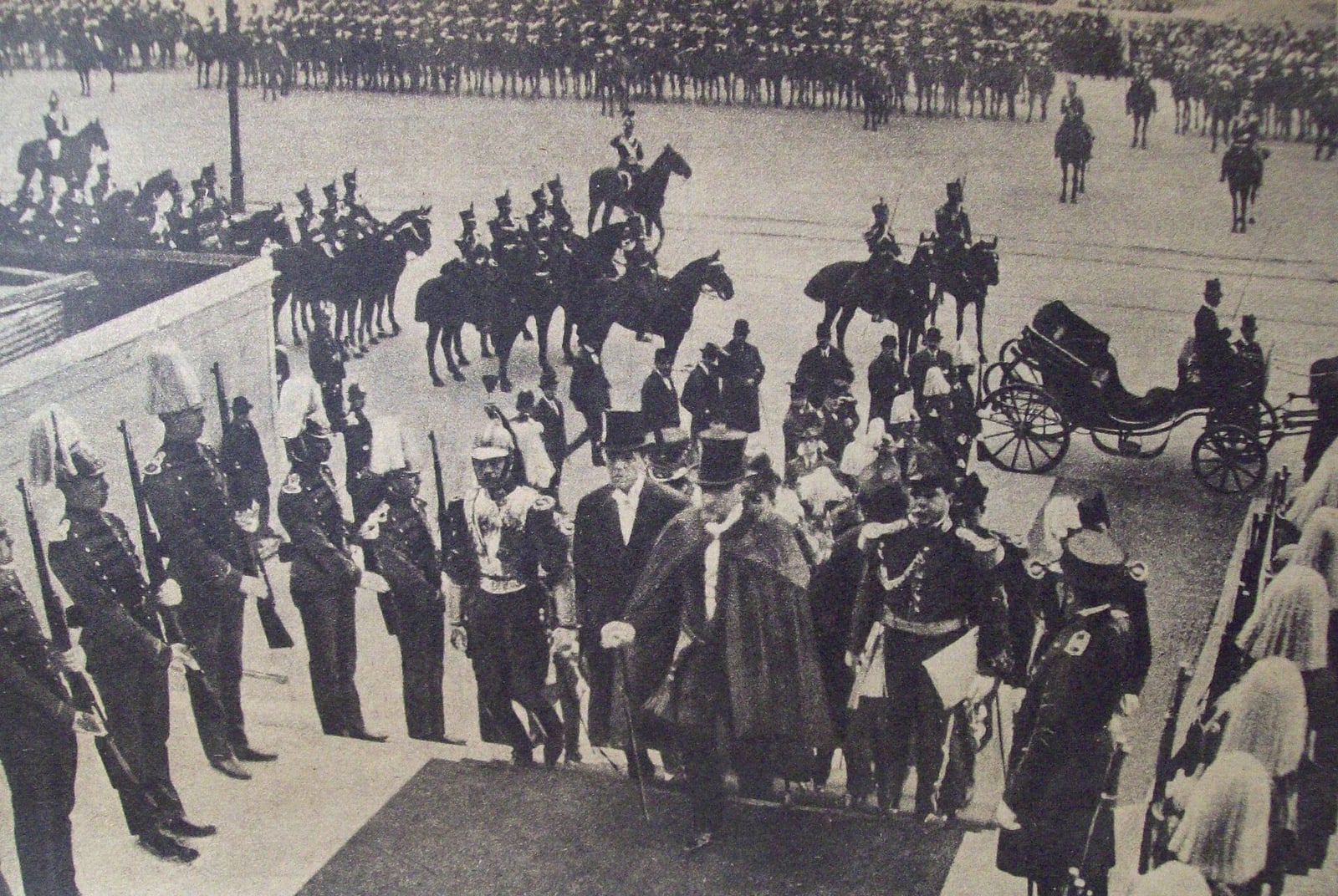
Argentina Makes the Male Vote Secret and Compulsory
The Sáenz Peña Law gave Argentine men a secret, compulsory ballot and opened the way for the Radicals to win power.
In February 1912, the National Congress of Argentina sanctioned Law 8871, an electoral reform that fundamentally altered the nation's political landscape. Commonly known as the Sáenz Peña Law, the measure was promulgated during the presidency of Roque Sáenz Peña, who had promoted the reform. The legislation established secret and compulsory voting for native and naturalized male citizens aged 18 and older.
Prior to the enactment of the law, voting procedures across Argentina were conducted openly rather than by secret ballot. This lack of privacy created an environment where political intimidation, clientelism, vote buying, and systemic electoral fraud were common practices. The conservative ruling elite had maintained its hold over government offices for decades through these managed and disputed contests, generating intense pressure for institutional change.

Keep reading in Yester
Coming soonKeep following the story

Sources
Image: No especifica · Public domain · Wikimedia Commons · cropped
