The Zapatistas Rise in Chiapas as NAFTA Takes Effect
Masked Maya rebels seized towns in southern Mexico on the day a North American free trade agreement began.
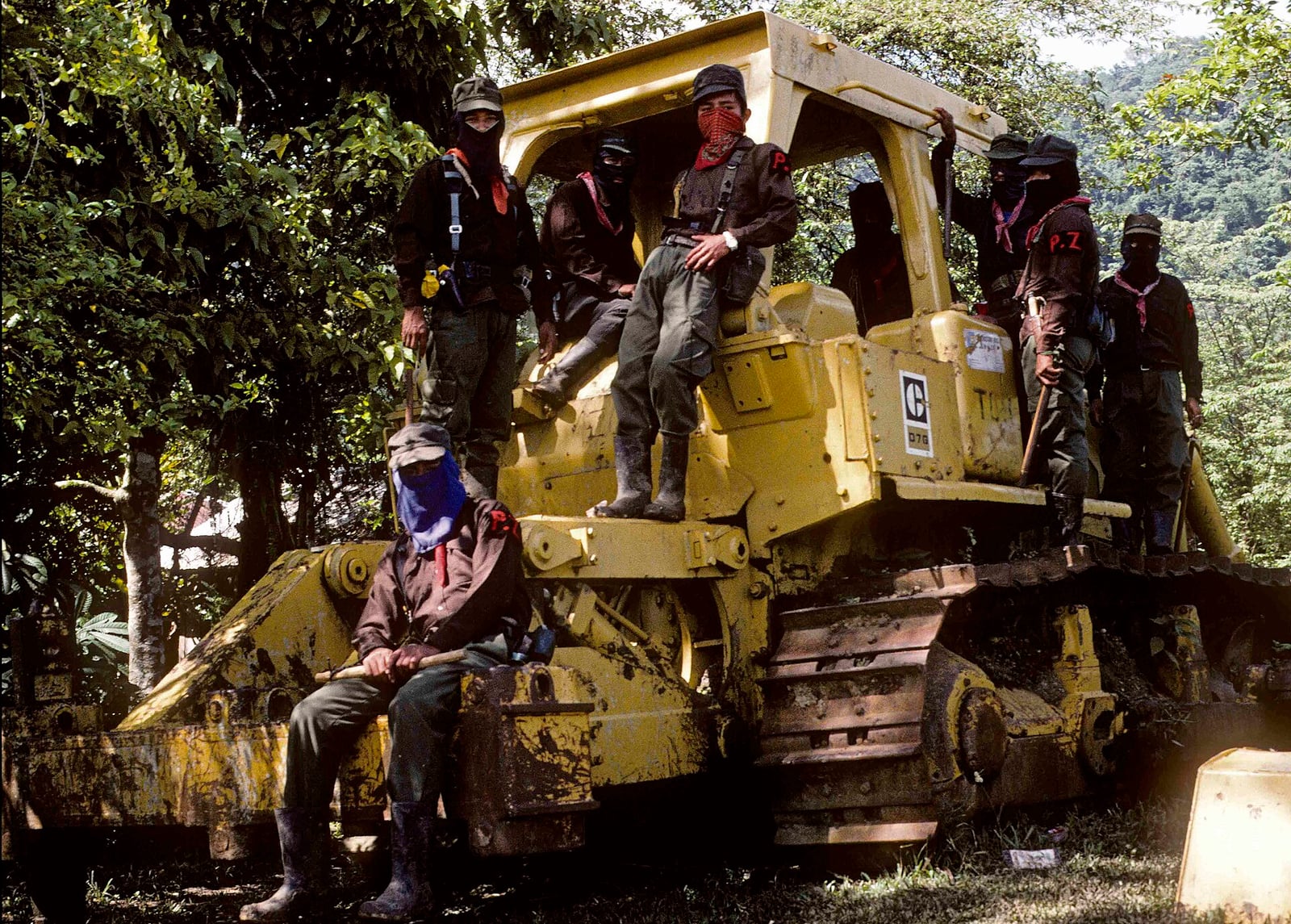
On January 1, 1994, the Zapatista Army of National Liberation launched an armed rebellion across the southern Mexican state of Chiapas. Masked fighters consisting of Tzotzil, Tzeltal, Tojolabal, and Chol combatants seized municipal offices in towns including San Cristobal de las Casas, Altamirano, Las Margaritas, Ocosingo, and Chanal. The uprising coincided precisely with the formal implementation of the North American Free Trade Agreement, an economic pact that the insurgents viewed as a direct assault on the economic security and survival of Indigenous communities.
Tensions in Chiapas had mounted for decades before the open revolt. Following the Tlatelolco massacre of 1968, federal authorities engaged in prolonged suppression of civic and rural organizing. Despite severe state pressure, local peasant federations and small clandestine armed formations coalesced during the 1970s. Wealthy landowners relied on private armed groups known as guardias blancas, or white guards, to deter Indigenous agrarian mobilization. Even though rural groups pursued legal petitions and peaceful marches to reclaim confiscated territory, Mexican bureaucratic delays routinely blocked relief and favored regional elites. This rural crisis worsened after Carlos Salinas de Gortari assumed the presidency in 1988 and, in 1992, revised Article 27 of the Mexican Constitution, ending the legal redistribution of land and opening communal ejido lands to sale and private investment.

Keep reading in Yester
Coming soonKeep following the story
Sources
- EZLN timeline (North Carolina State University, Prof. Richard Slatta)
- 1994 (SIPAZ, International Service for Peace)
- The Zapatista Revolution Is Not Over (The Nation)
- Indigenous Law does not make Indigenous Right (ReVista, Harvard DRCLAS)
- Mexico's Zapatista rebel movement says it is dissolving its autonomous municipalities (PBS NewsHour / AP)
- Zapatista uprising
Image: Julian Stallabrass from London, UK · CC BY 2.0 · Wikimedia Commons · cropped
