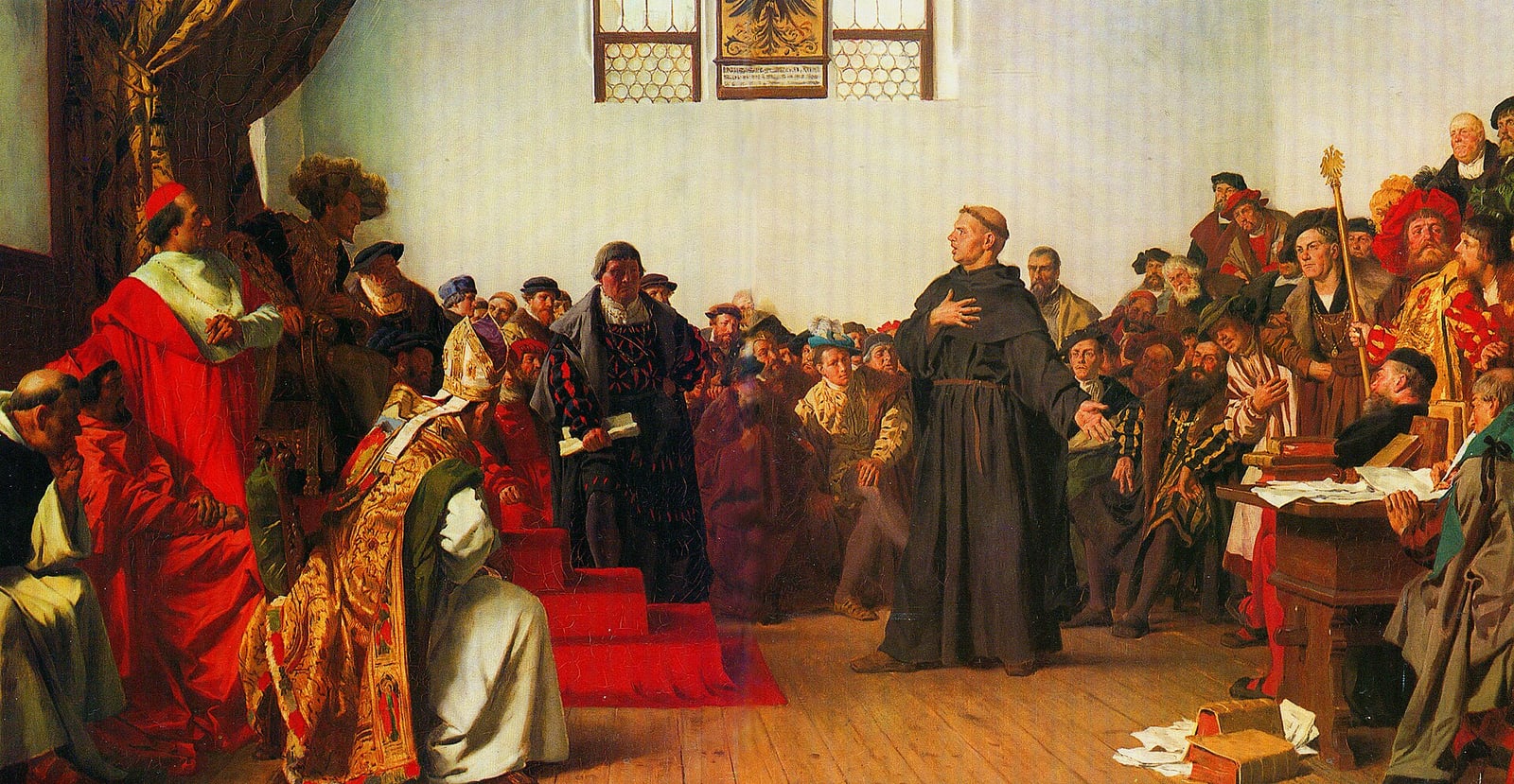
Luther Refuses to Recant at the Diet of Worms
Summoned before Emperor Charles V, Martin Luther refused to take back his writings, and the edict that followed declared him an outlaw.
On April 18, 1521, Martin Luther stood before the Imperial Diet assembled in the city of Worms to answer formal accusations of heresy. The summons followed years of escalating conflict with Catholic authorities after his 1517 critique of ecclesiastical practices, including the system of indulgences. In June 1520, Pope Leo X issued the papal bull Exsurge Domine, which cataloged forty-one alleged errors across Luther's writings. After Luther persisted in his teachings, papal authorities excommunicated him in January 1521. Emperor Charles V then called him to appear before the imperial assembly at the Bischofshof palace in Worms, seeking a formal recantation of his published works.
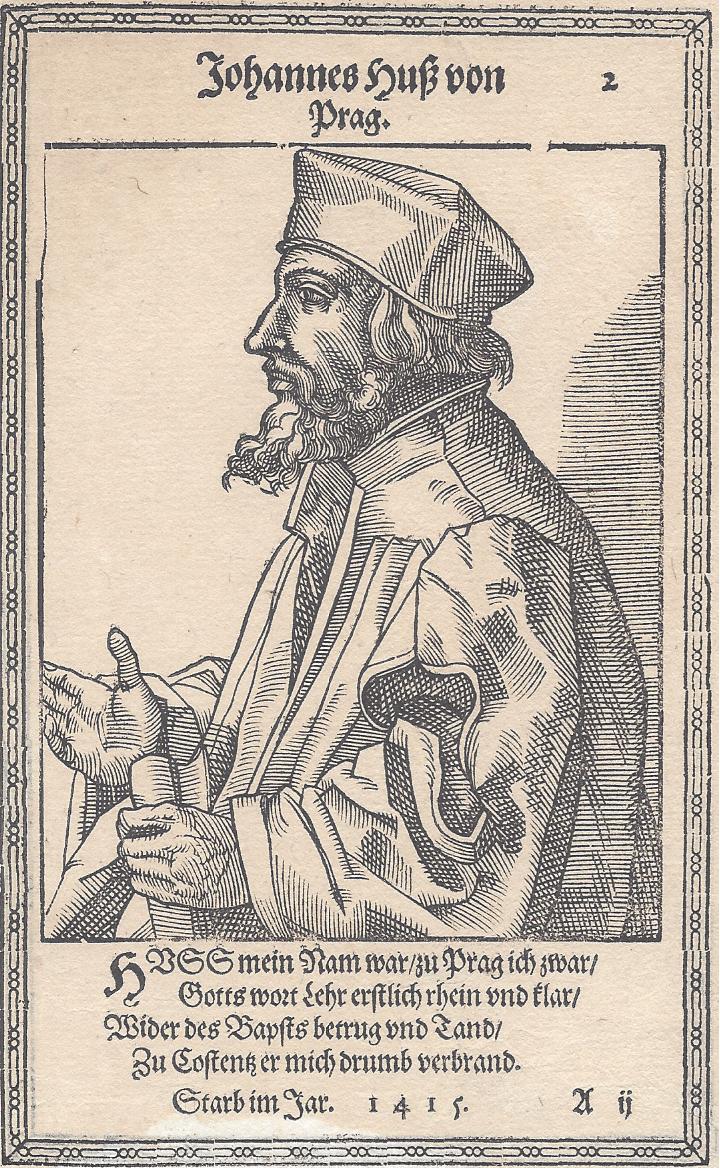
Luther's safe arrival in Worms depended on a safe conduct issued by Charles V, which his patron, Frederick III, Elector of Saxony, had worked to secure. Such protections were considered vital by Luther's supporters, who remembered the fate of Jan Hus, the Bohemian reformer executed at the Council of Constance in 1415 despite receiving a similar imperial guarantee of safe conduct. Luther reached the city on April 16 and made his first appearance before the assembly the next afternoon. Accompanied by his legal counsel, Jerome Schurff, Luther faced Johann von Eck, an official serving the Archbishop of Trier who acted as spokesman for Charles V. When about twenty-five of his titles were read out and he was asked to renounce them, Luther requested an adjournment to deliberate, which was granted until the following day.

Keep reading in Yester
Coming soonKeep following the story
Sources
Image: Anton von Werner · Public domain · Wikimedia Commons · cropped
