Kazakhstan Closes the Soviet Nuclear Test Site at Semipalatinsk
After four decades of nuclear tests near towns and villages, Kazakhstan’s leader shut the site for good.
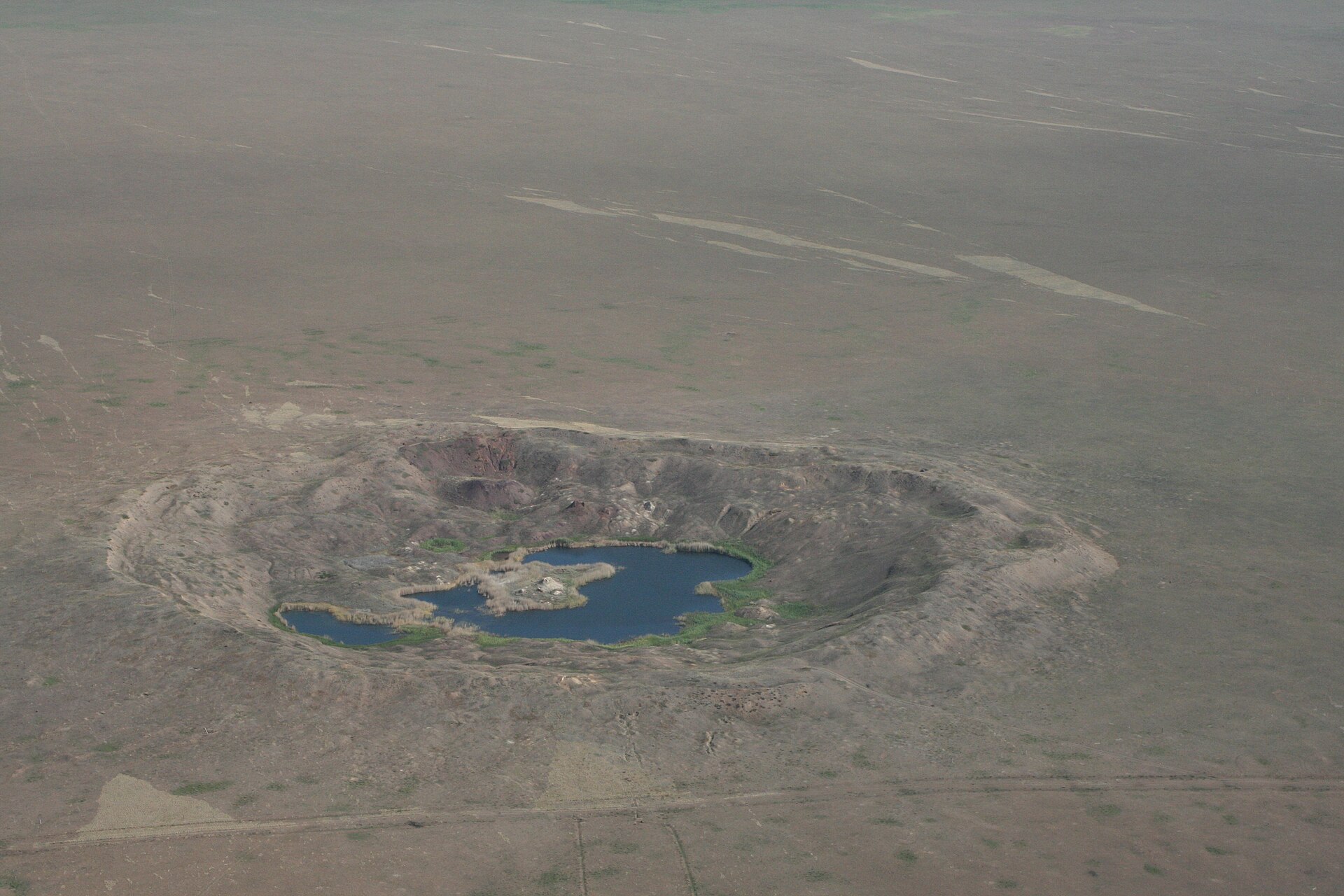
On August 29, 1991, the leadership of the Kazakh Soviet Socialist Republic enacted a decree that permanently halted activities at the Semipalatinsk Test Site. Selected in 1947 by Lavrentiy Beria, the political chief of the Soviet atomic bomb program, the roughly eighteen thousand square kilometer expanse of steppe had served for four decades as the primary testing grounds for Soviet nuclear arms. Despite early official characterizations of the terrain as unpopulated, the initial atmospheric detonation in 1949 deposited radioactive fallout directly across neighboring rural settlements.
Over forty years, the testing territory known colloquially as the Polygon hosted more than 450 nuclear tests, comprising both surface explosions and underground tests in deep boreholes and mountain tunnels. The administrative and research center for the complex arose along the Irtysh River at Kurchatov City, built in its early years by soldiers and Gulag prisoners. The complex saw milestones including the first Soviet atomic bomb and the state's initial airborne thermonuclear test, while also hosting classified research facilities devoted to developmental technology such as nuclear thermal rocket engines.

Keep reading in Yester
Coming soonKeep following the story
Sources
Image: The Official CTBTO Photostream · CC BY 2.0 · Wikimedia Commons · cropped
