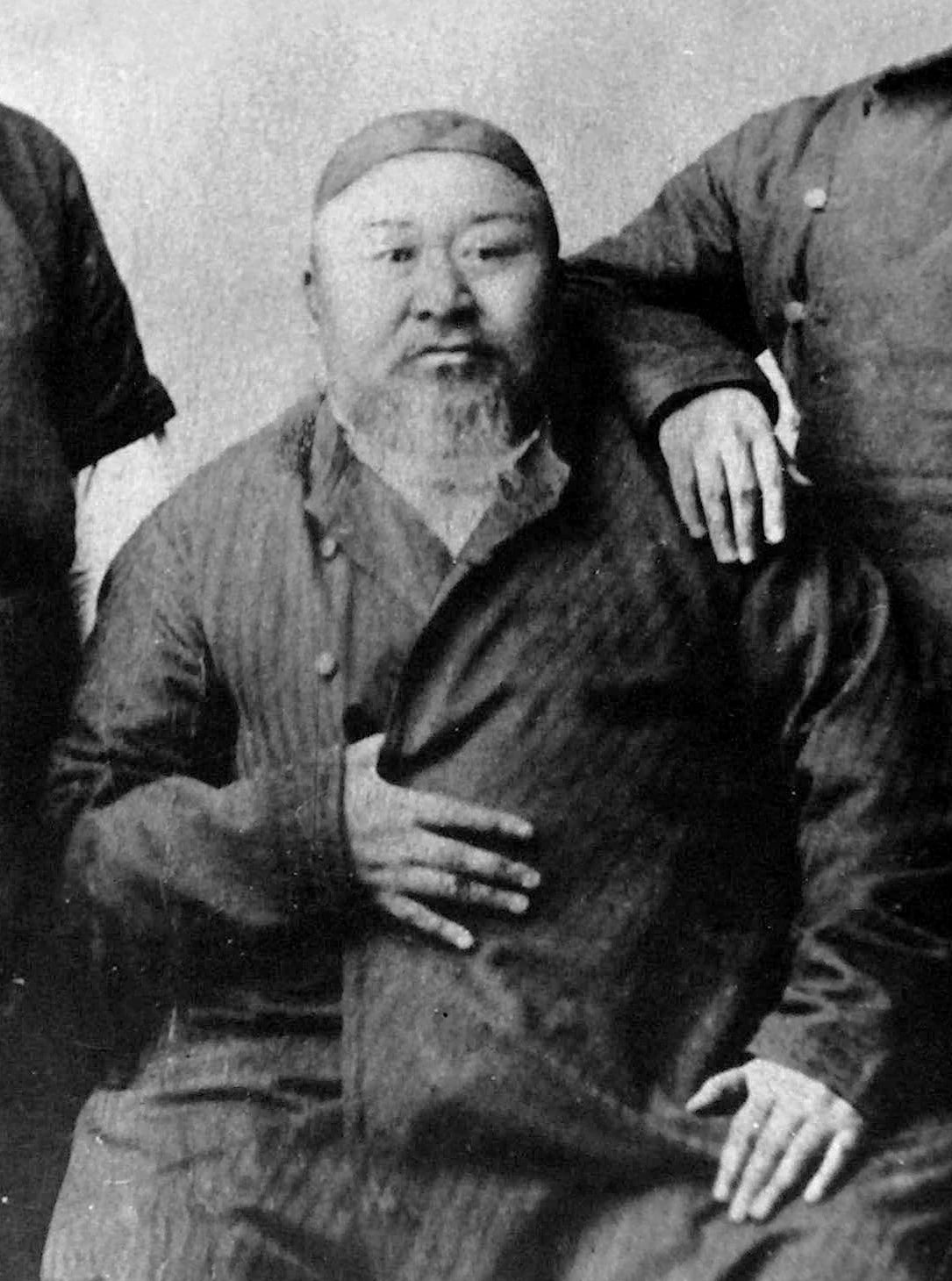
Abai Writes the Book of Words for the Kazakhs
The poet Abai Qunanbaiuly wrote short prose meditations urging his people toward learning, and they became a founding text of Kazakh literature.
Born in 1845 in the Chingiz volost of the Russian Empire, the young boy originally named Ibrahim grew up during an era of profound transition across the Kazakh steppes. He acquired the childhood moniker Abai, meaning careful, while studying at the madrasah of Ahmed Riza in Semipalatinsk. His schooling went beyond traditional religious instruction when he also attended a Russian school in the regional center of Semipalatinsk. There, Abai encountered the literary works of Alexander Pushkin and Mikhail Lermontov.
Prior to the late nineteenth century, Kazakh poetic traditions had existed primarily in oral forms that mirrored the nomadic life of the steppe. As imperial administrative networks expanded, new educational avenues exposed local intellectuals to varied Russian, European, and Asian philosophies. Abai steeped himself in these traditions while drawing on his Islamic education. His writings transformed Kazakh verse into a vehicle for philosophical and theological inquiry, shifting folk traditions into a written literary medium capable of engaging with modern civic questions.

Keep reading in Yester
Coming soonKeep following the story

Sources
Image: Unknown author · Public domain · Wikimedia Commons · cropped
