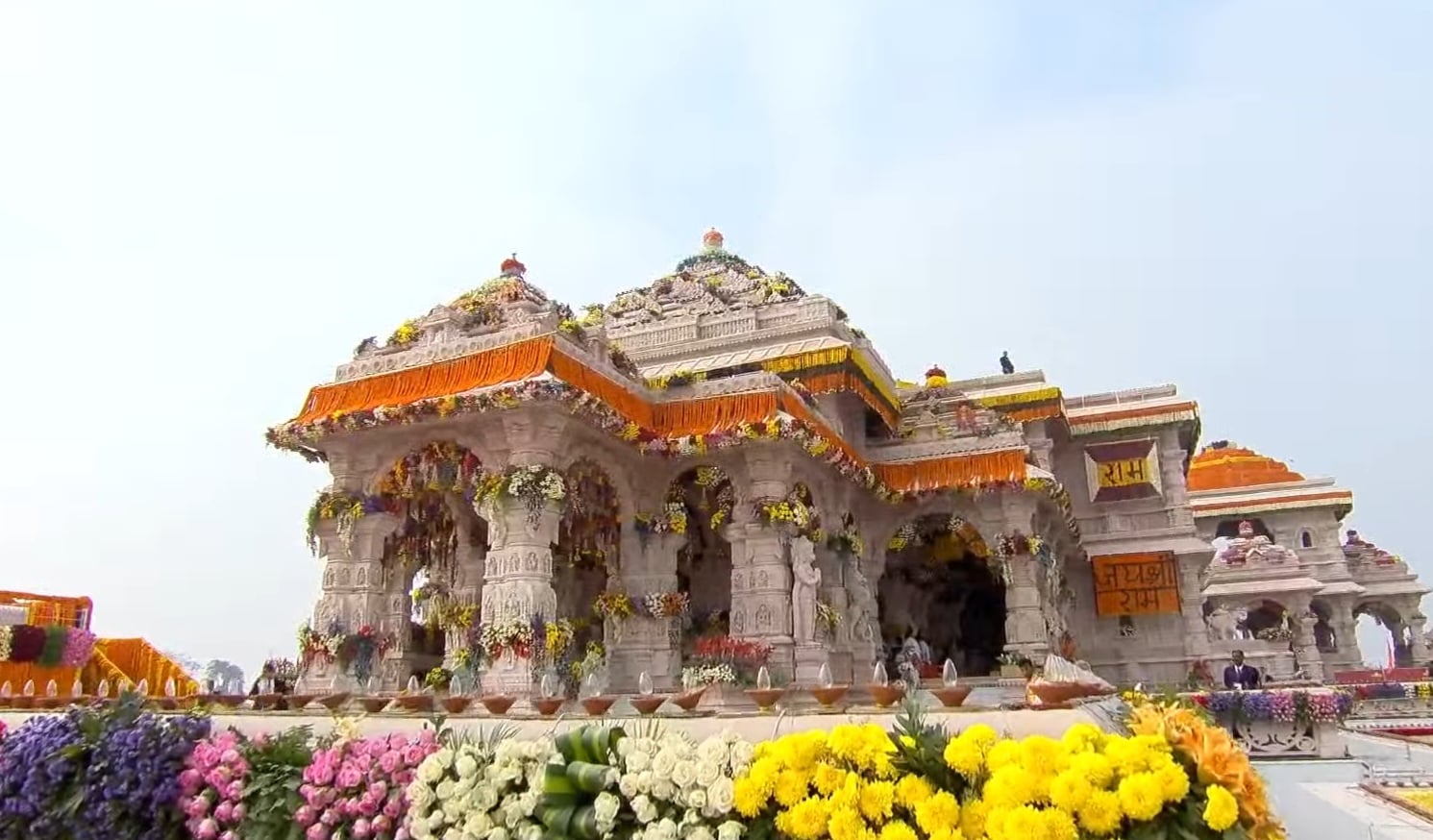
A Temple to Ram Is Consecrated Where the Babri Masjid Stood
India’s prime minister led the rite at a temple built on the contested site after a Supreme Court ruling.
On 22 January 2024, Indian Prime Minister Narendra Modi presided over the consecration ceremony of the Ram Mandir in Ayodhya, Uttar Pradesh. The event culminated decades of intense religious activism and legal disputation over a parcel of land considered by many Hindus to be Ram Janmabhoomi, the birthplace of the deity Rama. Standing in the sanctum sanctorum of the newly built stone complex, Modi led the formal rites for a newly carved statue depicting Rama as a child, known as Ram Lalla. The site had previously been occupied by a sixteenth-century mosque, making the inauguration a focal point of widespread devotion as well as deep political and communal debate across modern India.
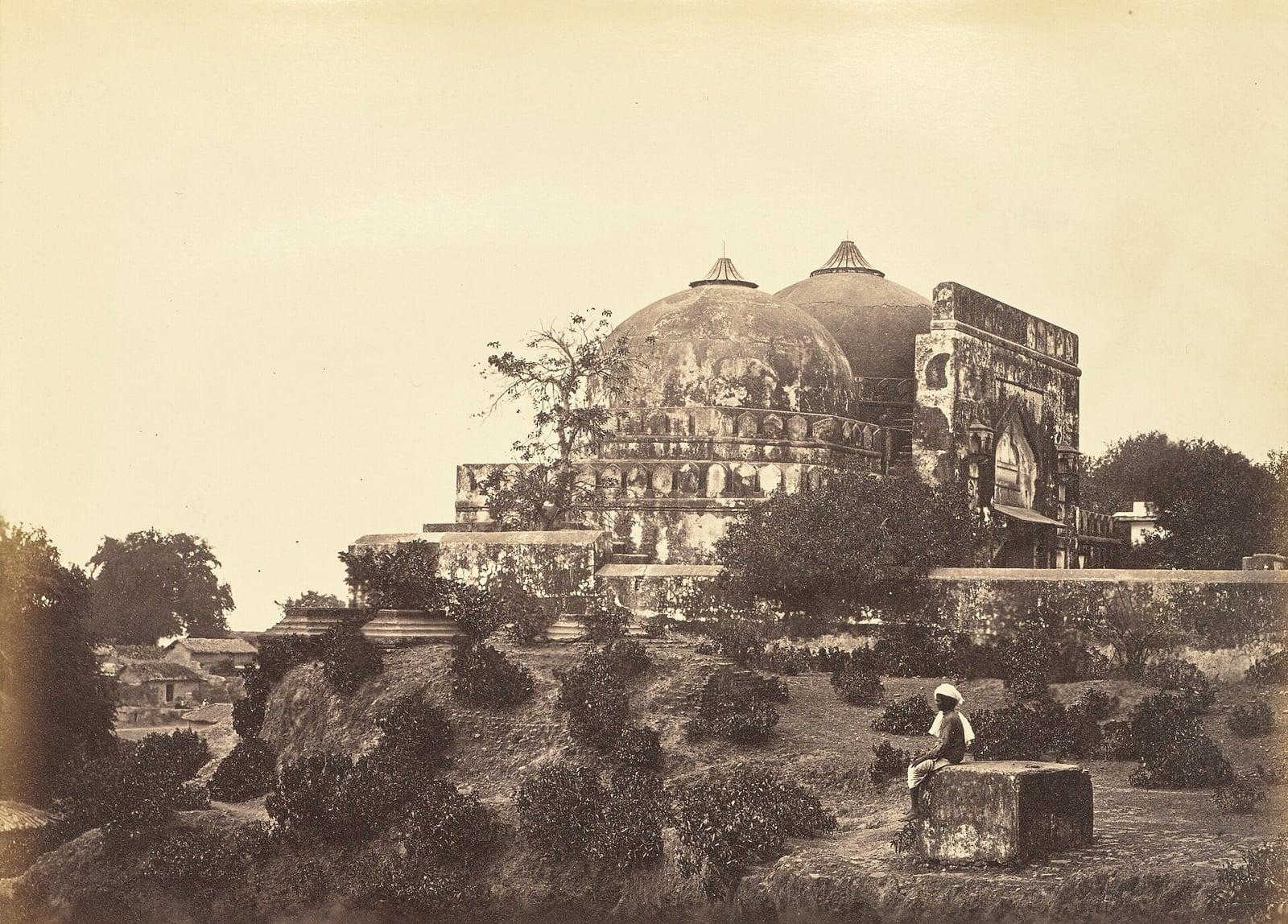
The historical contention over the plot traces back centuries. In 1528, a Mughal commander named Mir Baqi directed the construction of the Babri Masjid on the grounds under the orders of the emperor Babur. By the mid-nineteenth century, tensions over religious access had grown, prompting British colonial officials in 1859 to build a physical barrier dividing the property: local Muslims retained access to the inner courtyard for prayer, while Hindus were permitted to worship in the outer precinct. Tensions escalated sharply overnight between 22 and 23 December 1949, when idols of Rama were placed inside the mosque. Authorities then declared the site disputed and locked its gates, ending Muslim prayers there.

Keep reading in Yester
Coming soonKeep following the story
Sources
- Ram Mandir: Modi inaugurates Hindu temple on razed Babri mosque site (BBC News)
- Babri mosque to Ram temple: A timeline from 1528 to 2024 (Al Jazeera)
- Timeline: Ayodhya holy site crisis (BBC News)
- Ayodhya verdict: Indian top court gives holy site to Hindus (BBC News)
- Nagara architecture, 392 pillars, 5 mandaps: key features of Ram Mandir (Hindustan Times)
- Puri Shankaracharya clarifies decision to skip Ram Mandir inauguration (Hindustan Times)
- This is how world's largest crowdfunding project was achieved in Ayodhya (ThePrint, book excerpt)
- Ram Mandir
Image: Narendra Modi · CC BY 3.0 · Wikimedia Commons · cropped
