Mongolia Declares Independence from the Qing
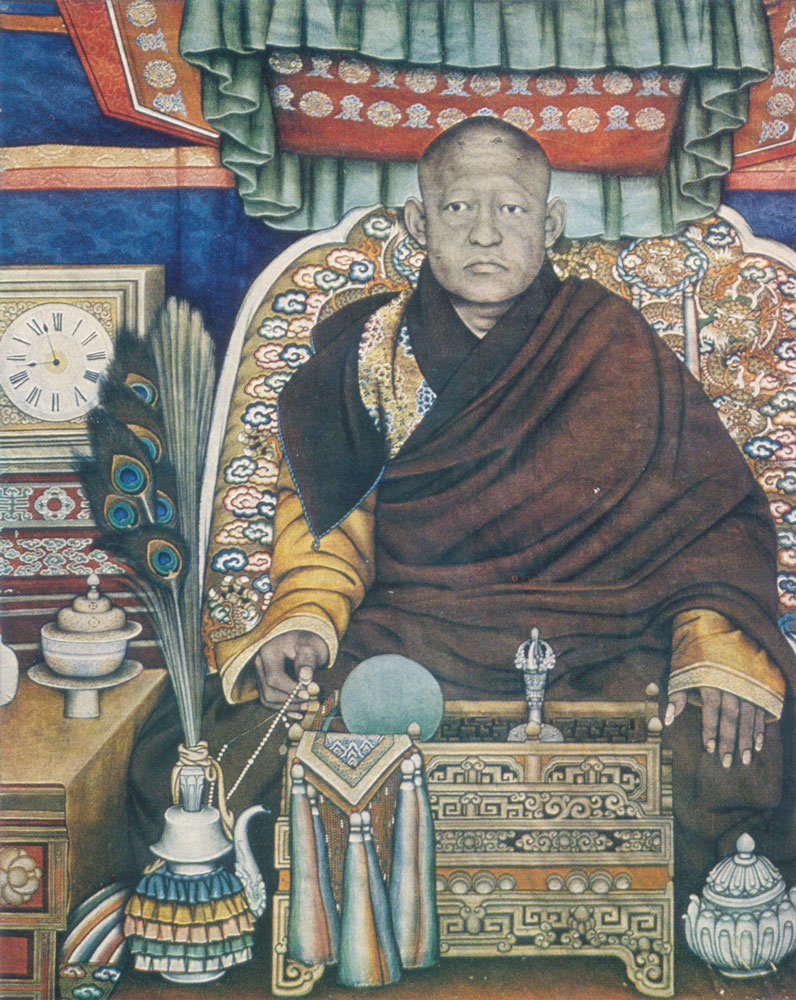
As the Qing empire collapsed, Mongol nobles and lamas enthroned the Bogd Khan, the country’s highest Buddhist figure, as ruler of an independent Mongolia.
On 29 December 1911, political and religious elites in Urga enthroned the eighth Jebtsundamba Khutuktu as the Bogd Khaan, formalizing a break from the collapsing Qing dynasty. Earlier that month, on 1 December, Mongol princes and senior lamas in Urga had declared Mongolia independent of the Qing. Modern historians generally refer to this regime as the Bogd Khanate, though contemporary Mongolian records designated it the Great Mongol State, intentionally reviving the historical title of the empire founded by Chinggis Khaan. The enthronement elevated the country's most revered Buddhist figure to head of state under the reign title Olon-a Orgui-gdegsen, meaning Elevated by All.
The new order blended theocratic customs, traditional steppe administration, and modern bureaucratic models. Urga was renamed Niislel Khuree, designating it as the capital monastery, and a national army and flag were introduced alongside five administrative ministries: internal affairs, foreign affairs, finance, justice, and the army. While a bicameral consultative parliament was devised, it did not assemble until 1914, leaving political power concentrated in religious bodies like the Office of Religion and State and the Ecclesiastical Administration. The Bogd Khaan exercised traditional sovereign prerogatives, bestowing nobility titles and receiving customary tributes of camels and horses previously rendered to the Manchu court.

Keep reading in Yester
Coming soonKeep following the story
Sources
Image: Marzan Sharav · Public domain · Wikimedia Commons · cropped
