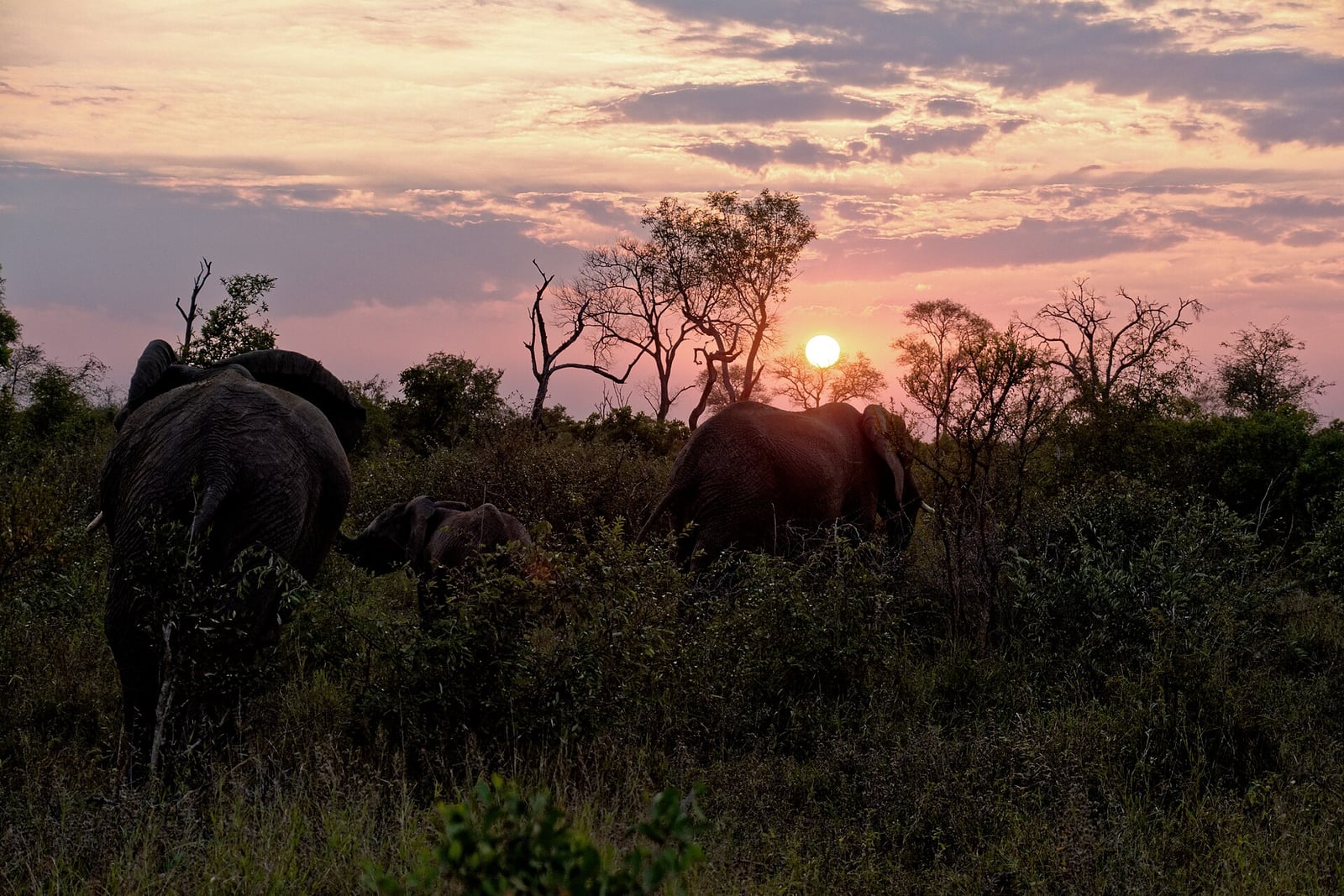
South Africa Creates Kruger National Park
A game reserve became South Africa’s first national park, though people who lived on the land were later forced out.
State intervention in South African game preservation grew out of private efforts in the late nineteenth century. Beginning in the late 1860s, individual farmers in the South African Republic began prohibiting hunting to protect wildlife on their properties. Notable among them was Alexander Marsh Robertson, who fenced several hundred morgen in the Wakkerstroom district, initially to contain horses, only to find that the enclosure fostered a thriving population of smaller game. By one account, President Paul Kruger visited the farm in 1892 and spoke there of the need for a much larger reserve along the Sabi River to protect big game. In 1898, the republic established the Sabi Game Reserve to curb hunting in the lowveld.
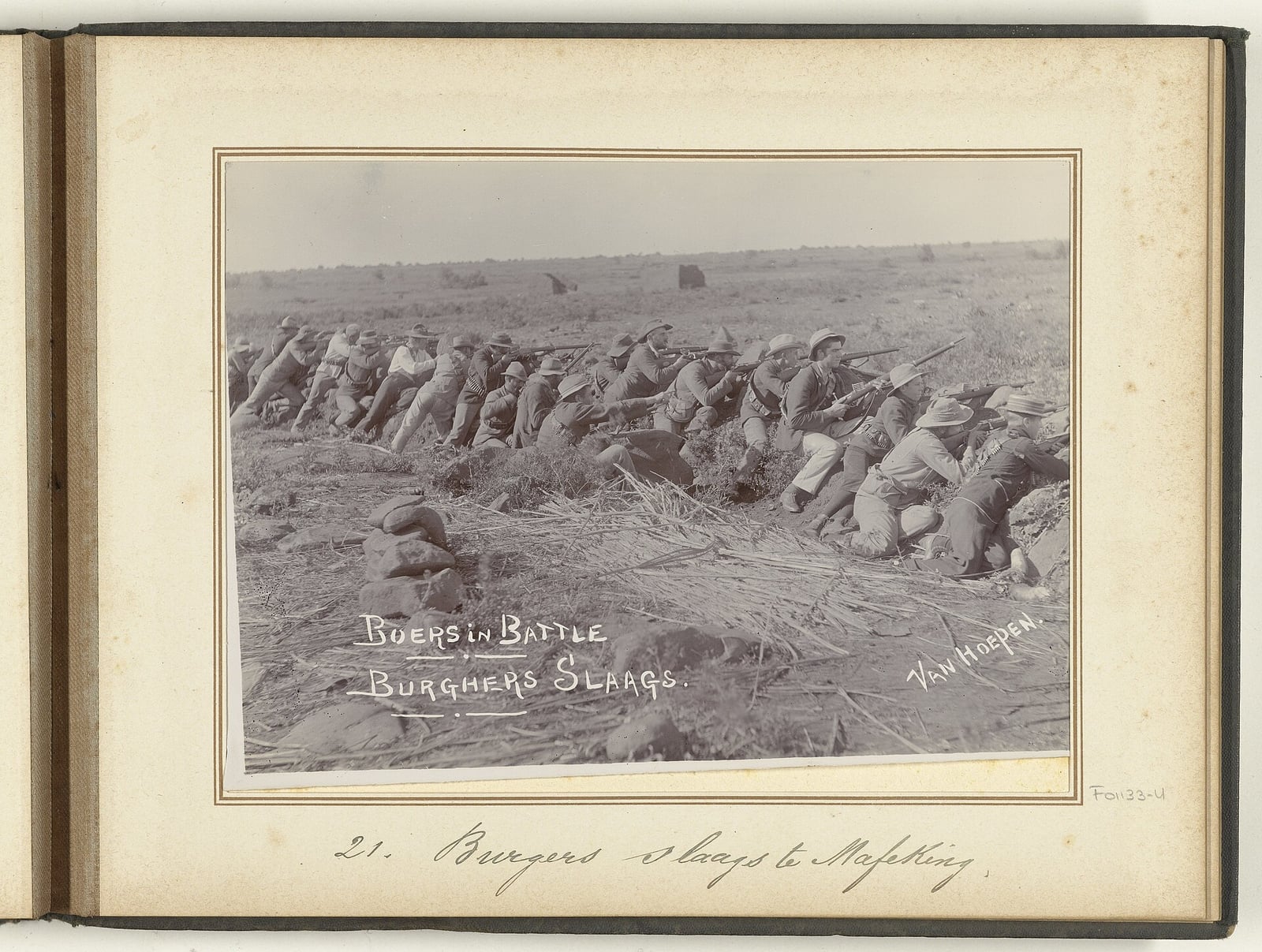
After the Anglo-Boer conflicts ended, British administrators took over the reserves and put a warden in charge. James Stevenson-Hamilton was appointed warden of the Sabi Game Reserve in 1902, while the adjacent Singwitsi Reserve was proclaimed the following year along the Shingwedzi River. Commercial interests repeatedly threatened the reserves during these decades. Even so, a provincial commission that reported in 1918 recommended keeping the reserves' boundaries unchanged and turning the area, in time, into a great national park. Tourism soon suggested an alternative economic foundation when South African Railways began running passenger train tours through the region in the early 1920s.

Keep reading in Yester
Coming soonKeep following the story
Sources
- Kruger National Park (South African History Online)
- History and future of the Kruger (Africa Geographic)
- Proclamation of Kruger National Park (Krugerpark.co.za)
- Political Reform Reaches S. African Wildlife Park (Christian Science Monitor, 1998)
- Virunga National Park (UNESCO World Heritage Centre)
- Kruger National Park
Image: leftcoastenvy · CC BY 2.0 · Wikimedia Commons · cropped
