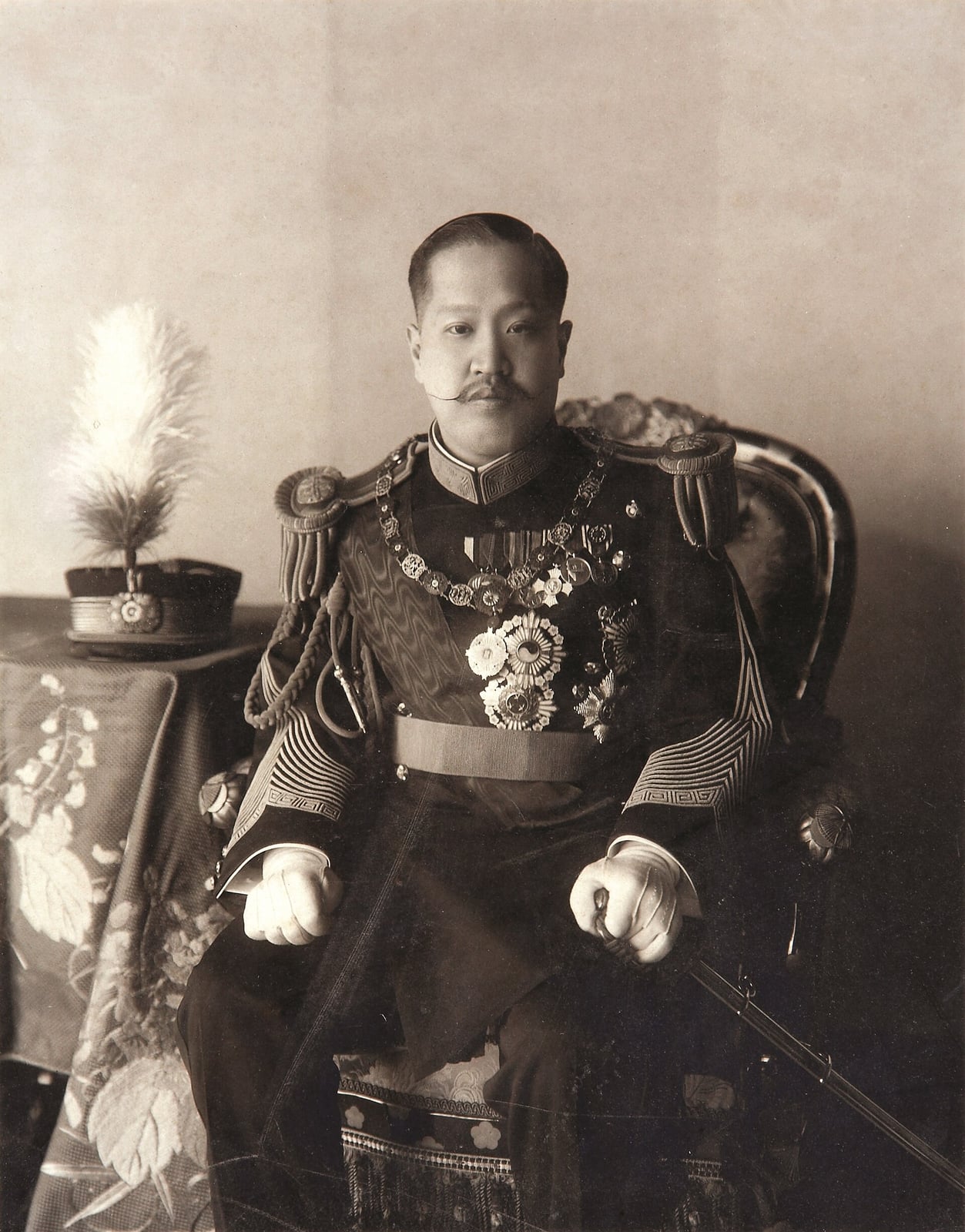
Japan Annexes Korea
A treaty signed under Japanese pressure ended the Korean Empire and began 35 years of colonial rule.
On August 22, 1910, delegates from the Empire of Japan and the Korean Empire finalized the Japan-Korea Annexation Treaty in Seoul. The agreement, promulgated publicly one week later on August 29, transferred full sovereignty over Korea to the Japanese Emperor. This event extinguished the independent Korean state and established thirty-five years of direct Japanese colonial governance over the peninsula.
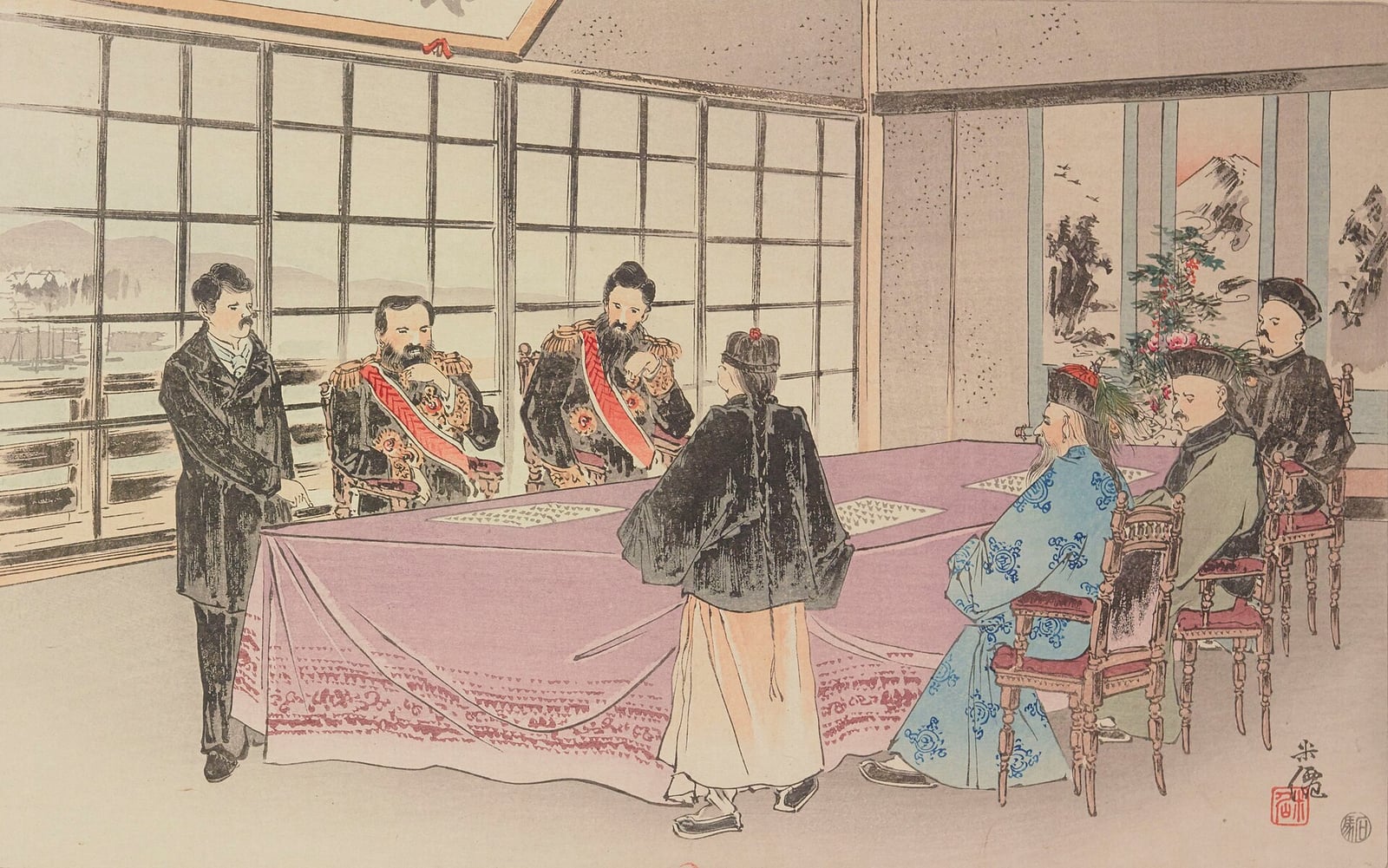
The 1910 agreement represented the culmination of years of escalating Japanese dominance in Northeast Asia. Following earlier international conflicts, including the First Sino-Japanese War where Qing China yielded territory under the 1895 Treaty of Shimonoseki, Japan progressively curbed Korean autonomy. In 1905, Japan declared Korea a protectorate, and in 1907, Japanese authorities stripped the Korean monarchical administration of its domestic policy controls.

Keep reading in Yester
Coming soonKeep following the story
Sources
- Treaty of Annexation, 1910 text (UCLA International Institute)
- Japanese Annexation of Korea (EBSCO Research Starters)
- Treaty on Basic Relations between Japan and the Republic of Korea, 1965 (The World and Japan Database)
- Treaty on Basic Relations, United Nations Treaty Series vol. 583
- Populist Collaborators review (Pacific Affairs, UBC)
- Japan-Korea Annexation Treaty (National Diet Library)
- Japan–Korea Treaty of 1910
Image: Photography by 岩田鼎 · Public domain · Wikimedia Commons · cropped
