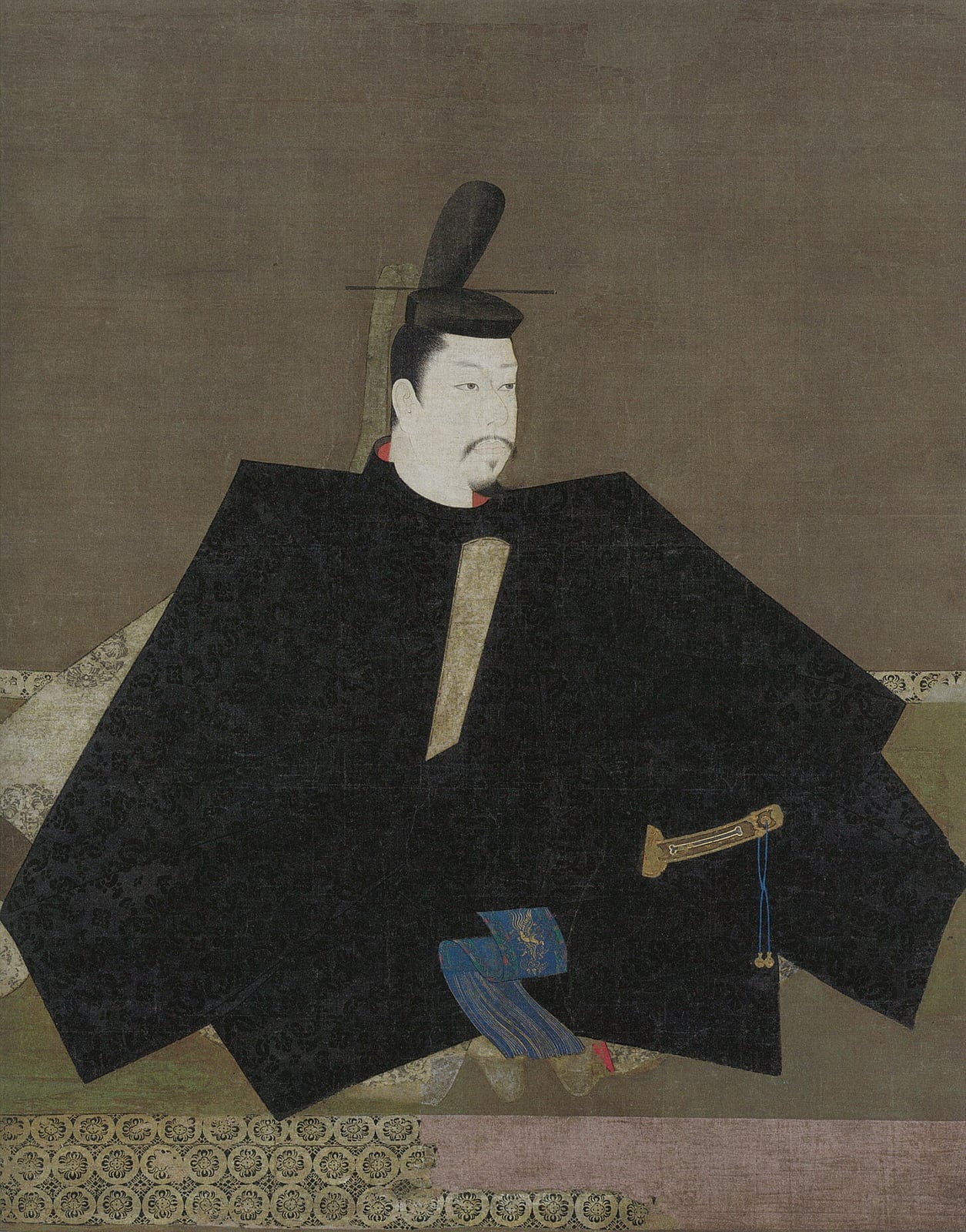
Minamoto no Yoritomo Becomes Shogun at Kamakura
The victor of the Genpei War received the title of shogun, and his warrior government at Kamakura began nearly seven centuries of military rule in Japan.
In 1192, Minamoto no Yoritomo received the title of Seii Taishogun, confirming the military government he had been building in the eastern seaside town of Kamakura since the Genpei War. For generations, imperial civil authorities and aristocratic clans had governed Japan from the traditional capital of Heian-kyo, modern Kyoto, overseeing military affairs from within the court. Yoritomo had crushed the rival Taira clan during the Genpei War from 1180 to 1185, and shifted real military and police power from the court to Kamakura, while the emperor and the court in Kyoto kept their titles and much of their prestige.
Historians hold differing views on precisely when the Kamakura period and its warrior regime officially began. An older and once widely accepted interpretation identified 1192 as the foundational moment due to Yoritomo's formal appointment as shogun. A later, prevailing scholarly theory points instead to 1185, when Yoritomo introduced the nationwide offices of shugo and jito. The shugo were military governors assigned to manage regional policing and defense alongside traditional provincial officials, while the jito were estate stewards responsible for tax collection and local administration. Because of these competing frameworks, modern Japanese textbooks often avoid naming a definitive starting year.

Keep reading in Yester
Coming soonKeep following the story
Sources
Image: Unknown author · Public domain · Wikimedia Commons · cropped
