Ashoka’s Conquest of Kalinga Turns Him Toward Buddhism
The Mauryan emperor’s bloody war on the east coast left him so remorseful he renounced conquest.
Around 261 BCE, the Mauryan Empire mounted a massive military campaign against Kalinga, an independent territory along the eastern seaboard of the Indian subcontinent. The region encompassed lands situated in what is now Odisha and northern Andhra Pradesh. Scholar Sudama Misra noted that the historic core of Kalinga centered around the Puri and Ganjam districts. Previously subject to the Nanda Empire until its collapse in 321 BCE, Kalinga remained outside Mauryan control until Ashoka's reign.
Strategic, political, and commercial pressures influenced the Mauryan decision to invade. Kalinga possessed substantial maritime trade links across the Bay of Bengal into Southeast Asia, supported by established coastal ports and naval assets. Furthermore, modern historians note that Kalinga stood as a potential geographic barrier, capable of severing communication and transit corridors between the imperial Mauryan capital at Pataliputra and Mauryan possessions located in the central peninsula.

Keep reading in Yester
Coming soonKeep following the story
Sources
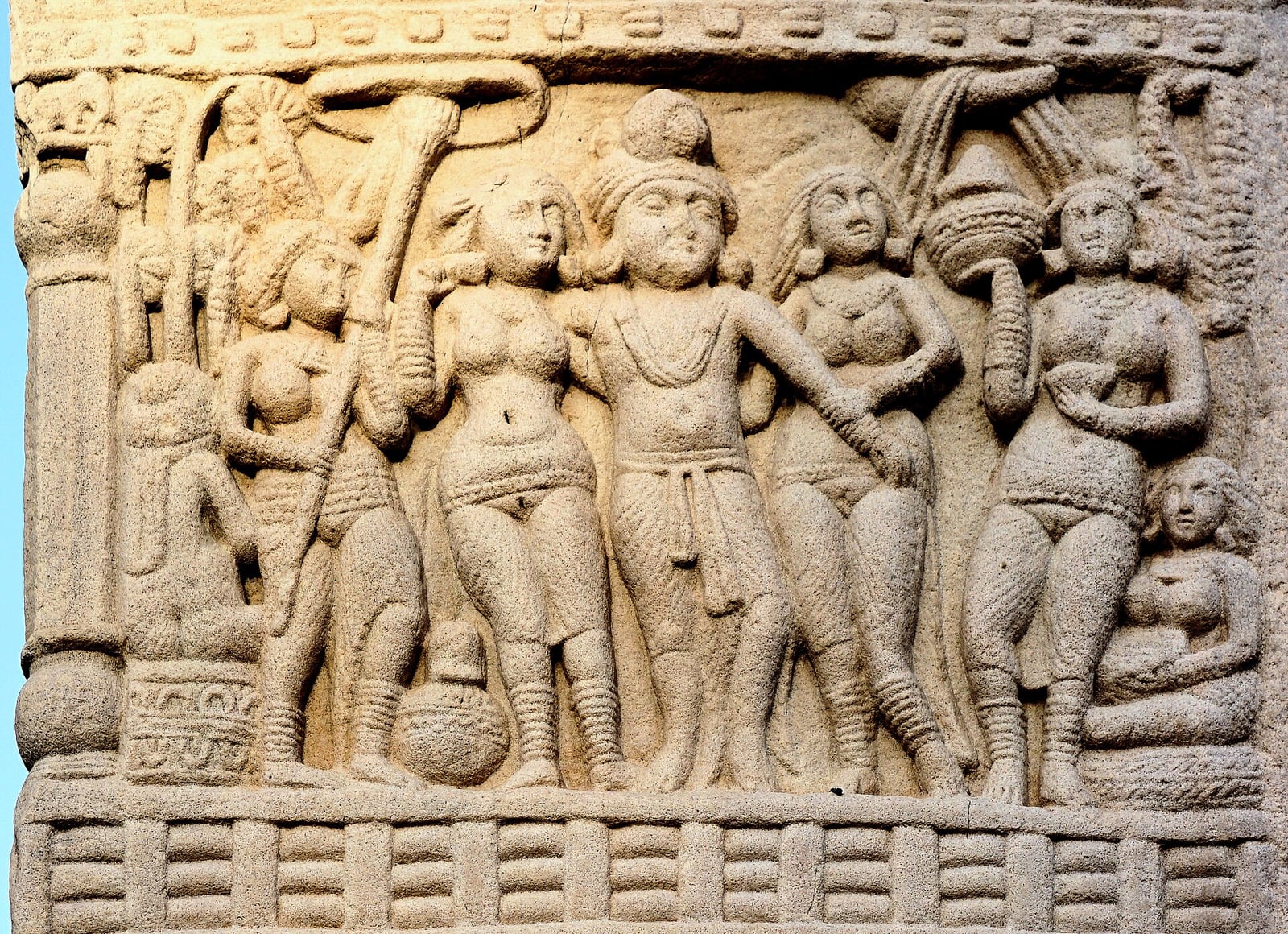
Image: Photo Dharma from Sadao, Thailand · CC BY 2.0 · Wikimedia Commons · cropped
