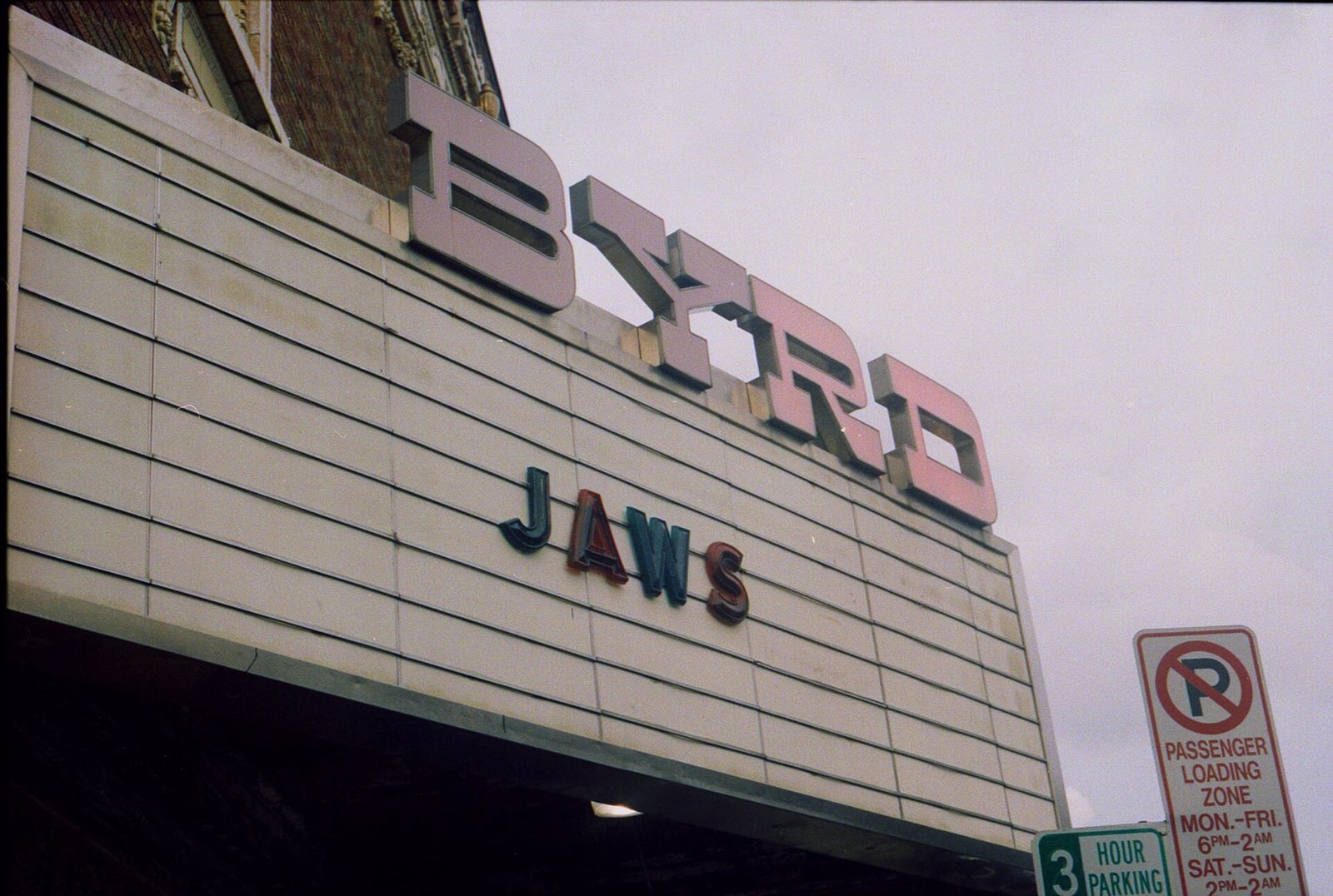
Jaws Opens Nationwide and Creates the Summer Blockbuster
Steven Spielberg’s troubled shark film opened in hundreds of theaters with national TV ads and changed how Hollywood sells films.
In June 1973, Universal Pictures producers Richard D. Zanuck and David Brown hired twenty-six-year-old Steven Spielberg to direct a feature adaptation of Peter Benchley's unpublished novel Jaws. The book followed the hunt for a man-eating great white shark preying upon a fictional New England resort community. Spielberg, who had just completed his theatrical debut The Sugarland Express for the same producers, initially harbored doubts about being typecast as an action director, yet the studio insisted he remain on the project. Benchley delivered early screenplay drafts before screenwriter and actor Carl Gottlieb was brought in to polish the script, drawing on input from the cast, shaping the lead characters into a distinct, contrasting trio played by Roy Scheider, Richard Dreyfuss, and Robert Shaw.
Principal photography began on May 2, 1974, off the island of Martha's Vineyard, Massachusetts, where shallow coastal waters allowed the mechanical props to be operated at sea. Jaws is often described as the first major motion picture shot largely on the open ocean, an artistic gamble that quickly precipitated immense technical setbacks. Three mechanical shark models, all nicknamed Bruce, were built by former Disney effects chief Robert Mattey and art director Joe Alves. At sea the models repeatedly malfunctioned and corroded, and their skins had to be replaced regularly, slowing filming to a crawl. The film was budgeted at three to four million dollars and ended up costing an estimated eight to nine million or more.

Keep reading in Yester
Coming soonKeep following the story

Sources
Image: S. Dudley · Public domain · Wikimedia Commons · cropped
