Citizen Kane Premieres Despite Hearst’s Campaign Against It
Orson Welles’s first feature, inspired partly by William Randolph Hearst, flopped at first and later topped lists of the greatest films.
In the summer of 1939, RKO Pictures signed twenty-four-year-old theatrical director Orson Welles to a two-picture contract. Following his work with the Mercury Theatre and the notoriety of his 1938 radio adaptation of The War of the Worlds, the studio granted him artistic autonomy that was unprecedented for a first-time filmmaker. Welles received the right to develop his own stories, employ his own cast and technical crew, and retain final cut privilege, provided his budgets stayed within 500,000 dollars. After two proposed adaptations failed to enter production, Welles partnered with screenwriter Herman J. Mankiewicz to draft an original character study inspired by several American magnates, most notably the newspaper baron William Randolph Hearst.
Filming began secretly on June 29, 1940, disguised as camera tests to circumvent studio oversight. Welles relied heavily on experienced cinematographer Gregg Toland, who sought out the production specifically to experiment with deep focus photography and novel lighting arrangements. Backed by Robert Wise's editing and Bernard Herrmann's musical score, Welles structured the narrative around the fragmented recollections of associates following the death of Charles Foster Kane. Most of the primary roles were filled by actors drawn directly from the Mercury Theatre repertory, including Joseph Cotten, Agnes Moorehead, and Everett Sloane, many of whom were making their first appearances in a motion picture.

Keep reading in Yester
Coming soonKeep following the story
Sources
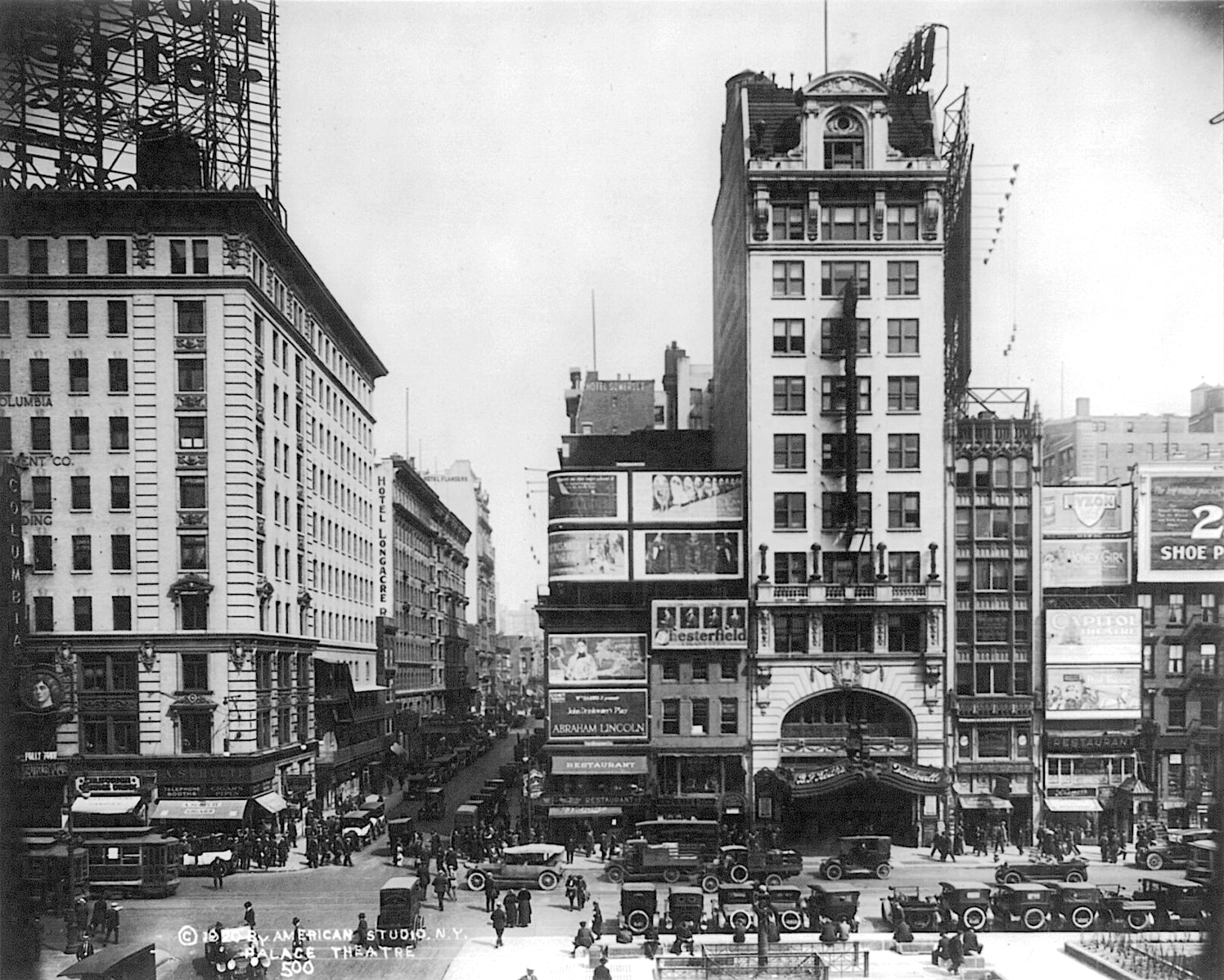
Image: American Studio. · Public domain · Wikimedia Commons · cropped
