A US- and British-Backed Coup Topples Iran’s Prime Minister Mosaddegh
Two years after he nationalised Iran’s oil, a coup restored the shah’s power, and its memory shaped the 1979 revolution.
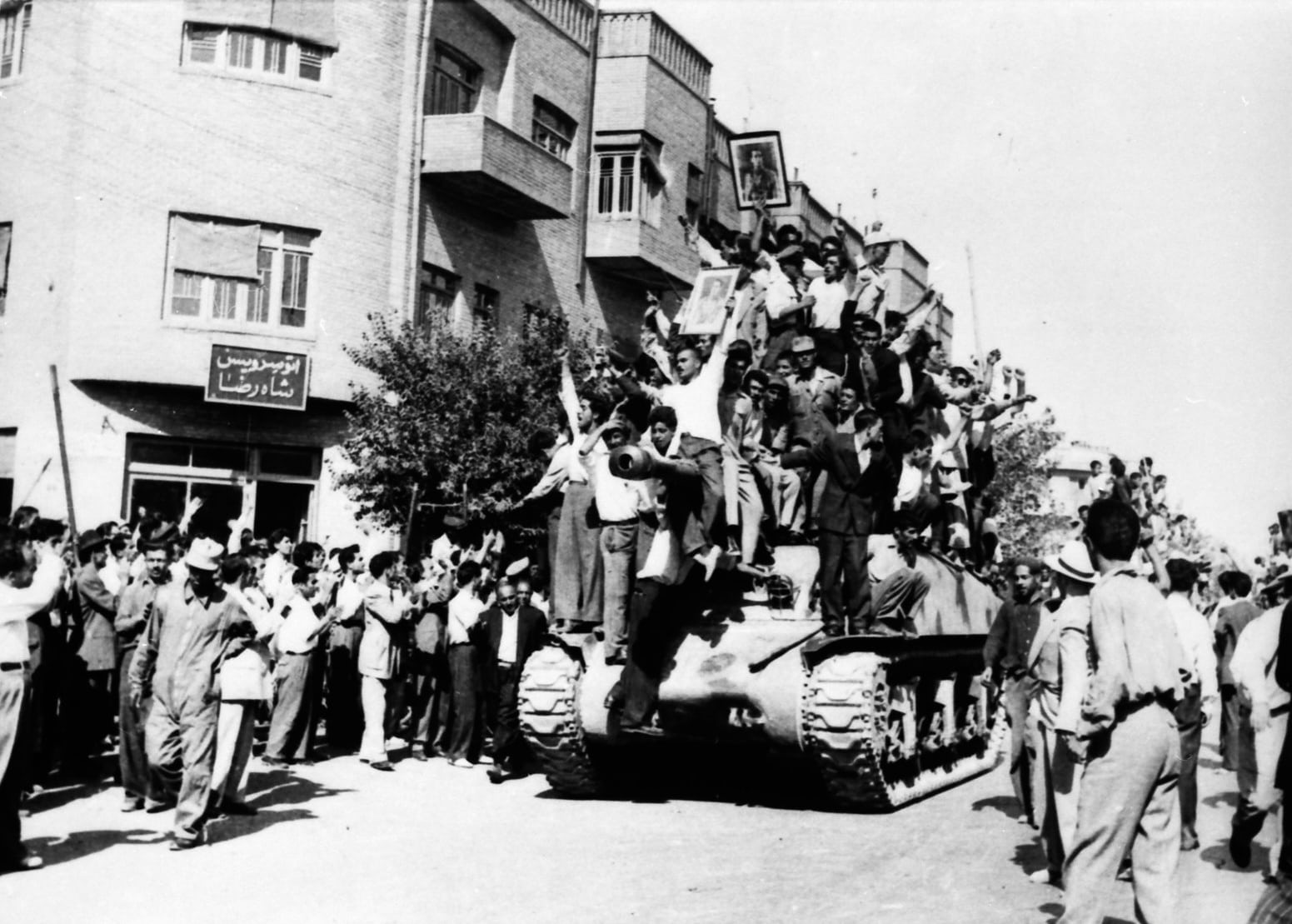
On 19 August 1953, military units and mobilized crowds seized control of government buildings in Tehran, toppling Prime Minister Mohammad Mosaddegh. The overthrow culminated a covert Anglo-American operation initiated to protect Western petroleum interests and prevent potential Soviet alignment. By removing Mosaddegh and expanding the executive authority of Mohammad Reza Pahlavi, the coup altered Iran's political landscape, transforming an unstable parliamentary system into decades of autocracy.
The crisis began in March 1951, when the Iranian parliament, the Majlis, voted to nationalize the country's petroleum industry. For decades, the British-owned Anglo-Iranian Oil Company had extracted Iranian reserves while paying royalties that local leaders considered exploitative. Mosaddegh, an ardent constitutionalist who became prime minister shortly after the vote, sought to audit the company and limit foreign control. When the company refused to accept the takeover, its British staff were forced to leave. Great Britain retaliated by organising an international boycott of Iranian oil and restricting Iran's access to its funds abroad, and the giant Abadan refinery fell idle.

Keep reading in Yester
Coming soonKeep following the story
Sources
Image: William Arthur Cram · Public domain · Wikimedia Commons · cropped
