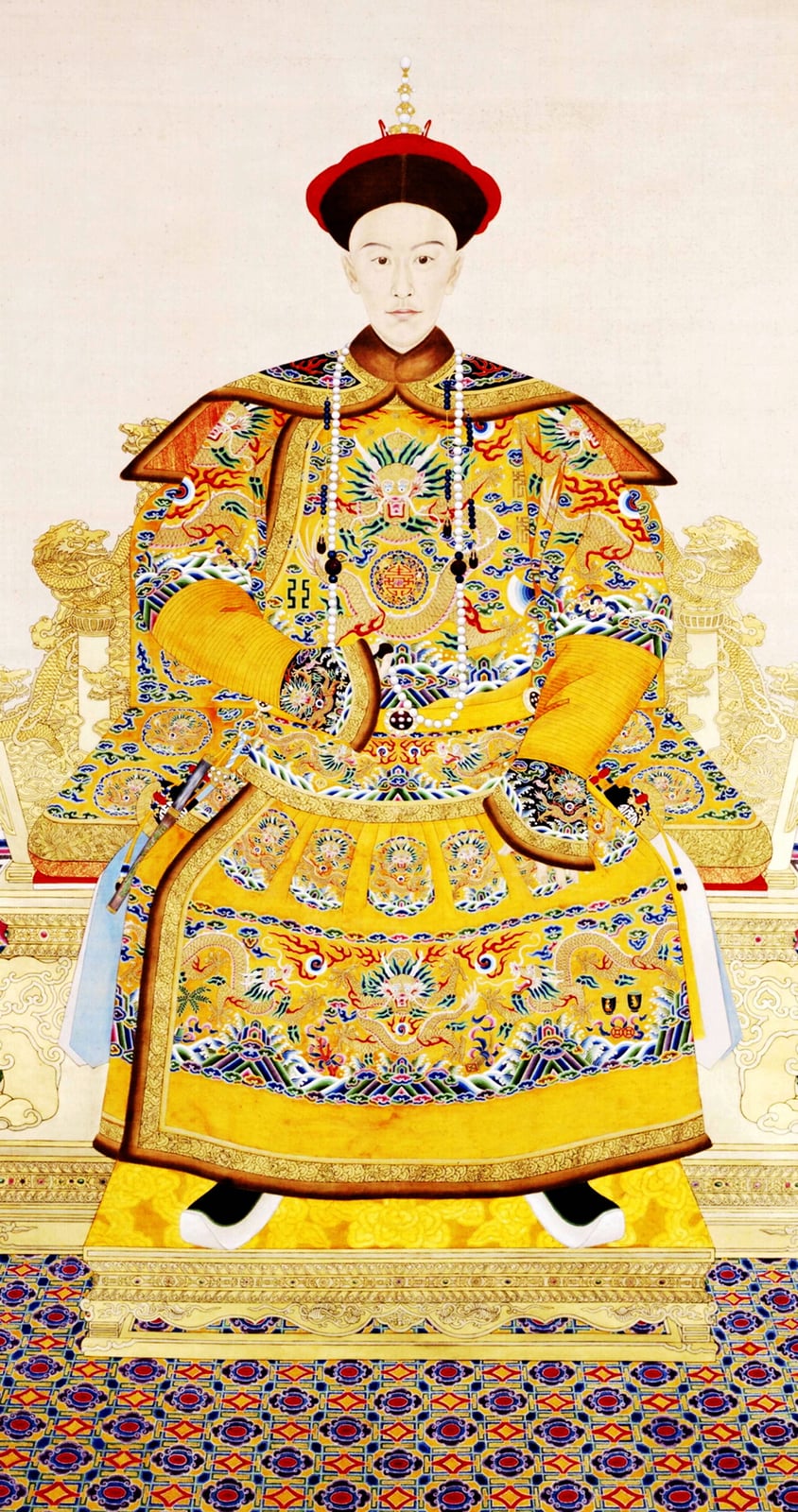
The Guangxu Emperor Tries to Reform China in a Hundred Days
Advised by Kang Youwei, the young emperor issued decrees to modernize schools, the army and the government, until the Empress Dowager Cixi stopped him.
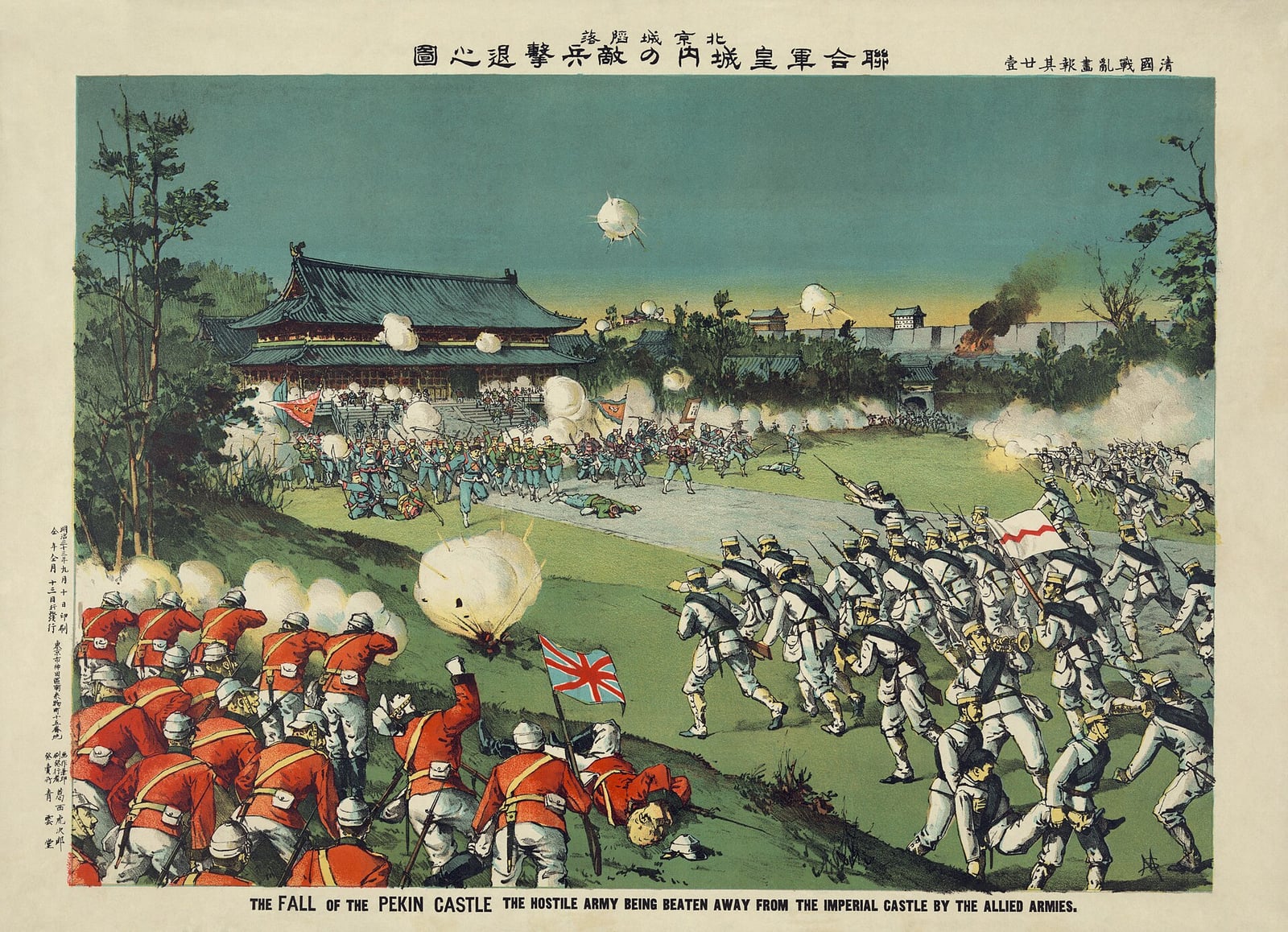
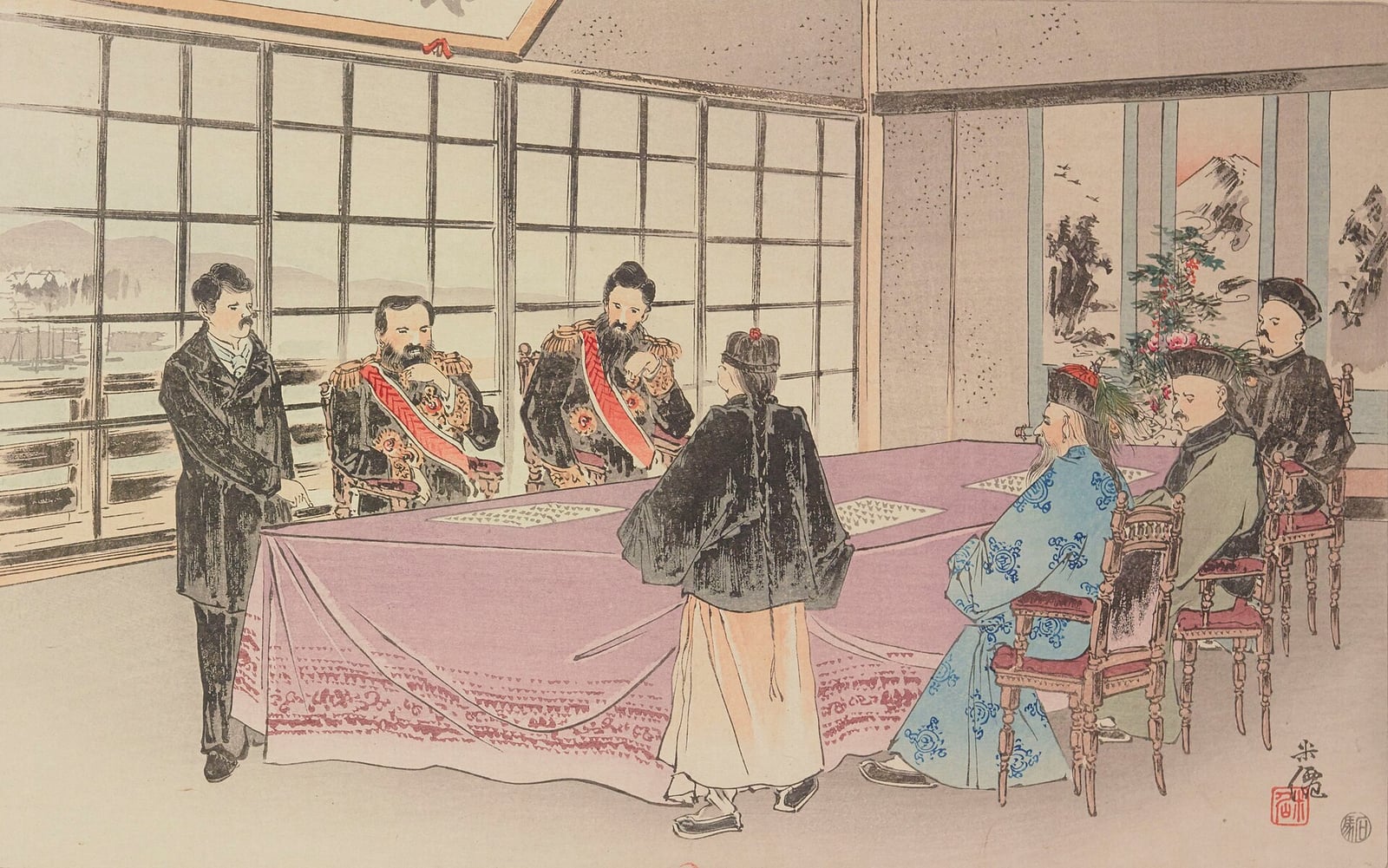
On June 11, 1898, the Guangxu Emperor launched an ambitious effort to restructure the Qing Empire from the top down. Over the preceding decades, China had pursued the Self-Strengthening Movement, which focused heavily on adopting Western military technology and producing modern arms at sites like the Jiangnan Arsenal in Shanghai. However, this focus on hardware without broad administrative reform proved inadequate when tested in the First Sino-Japanese War of 1894 to 1895. Under the terms of the Treaty of Shimonoseki, a defeated Qing government had to recognize Korean independence, pay a massive financial indemnity, and cede the Liaodong Peninsula along with Taiwan to Meiji Japan.
The humiliating defeat convinced many educated Chinese elites that military modernization alone was insufficient. Reform-minded intellectuals, notably Kang Youwei, his student Liang Qichao, and Tan Sitong, looked to Japan's Meiji constitutional model and argued that fundamental institutional renewal was critical for survival. Through petitions, study societies, and widely read political essays, they advocated transforming governance, restructuring the educational apparatus, and fostering state-backed economic development. Winning the ear of the young emperor, the reformers were appointed to advisory roles and encouraged the monarch to issue a rapid succession of decrees aimed at overhauling imperial society.

Keep reading in Yester
Coming soonKeep following the story
Sources
Image: Qing Dynasty Court Painter · Public domain · Wikimedia Commons · cropped
