The Cherokee Are Forced West on the Trail of Tears
Soldiers removed some 16,000 Cherokee from their homeland, and thousands died on the march to Indian Territory.
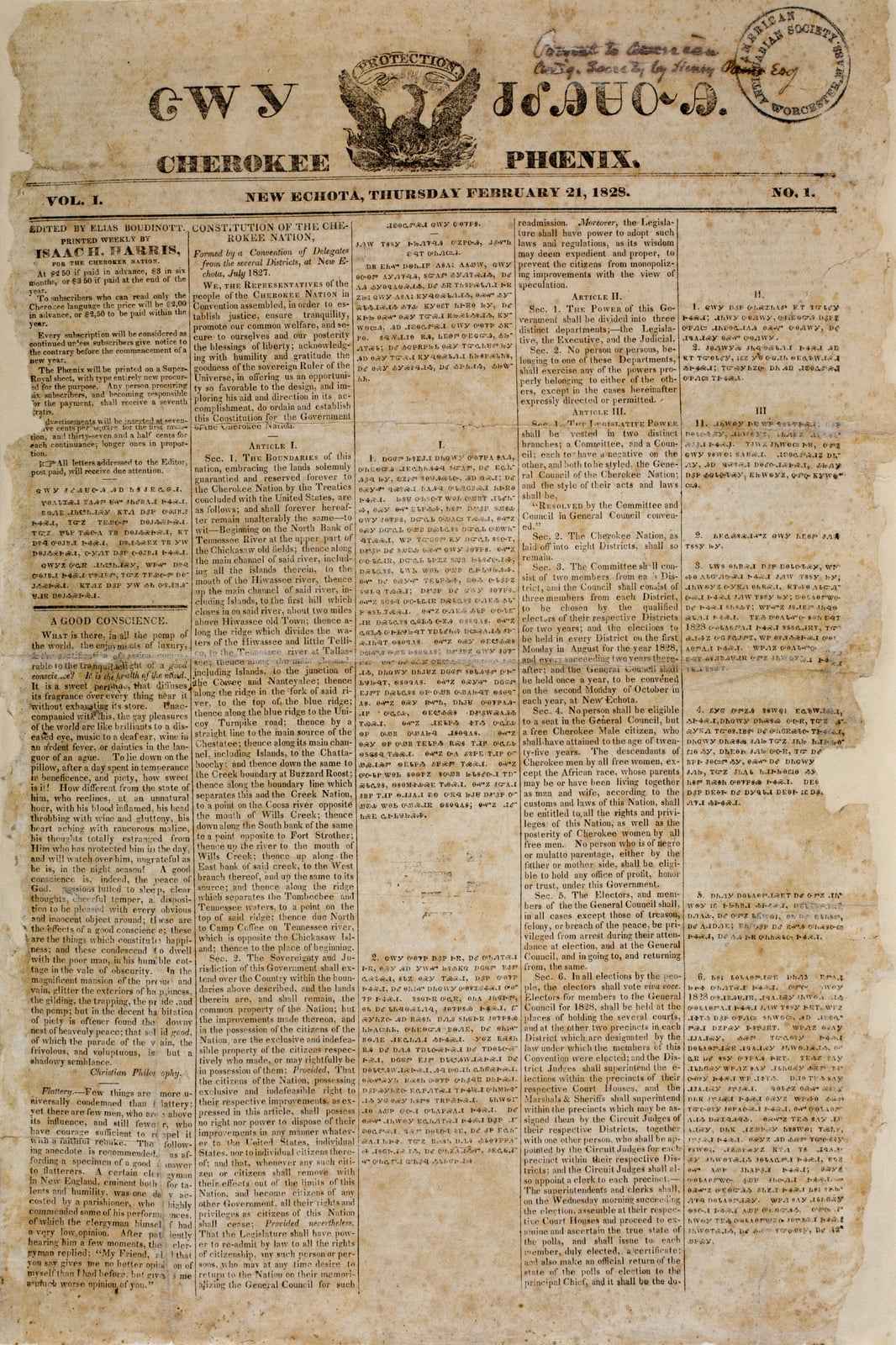
During the 1830s, the United States government engineered the systematic expulsion of southeastern Indigenous nations from their ancestral lands. While proposals to relocate native populations had circulated for decades, the policy became a central federal priority under President Andrew Jackson with the passage of the Indian Removal Act of 1830. This legislation empowered the federal government to extinguish native land titles across the Southeast in exchange for newly designated lands in Indian Territory west of the Mississippi River. The resulting federally directed removals displaced roughly 60,000 people from the Cherokee, Muscogee Creek, Seminole, Chickasaw, and Choctaw nations, as well as several thousand enslaved individuals of African descent who lived alongside them.
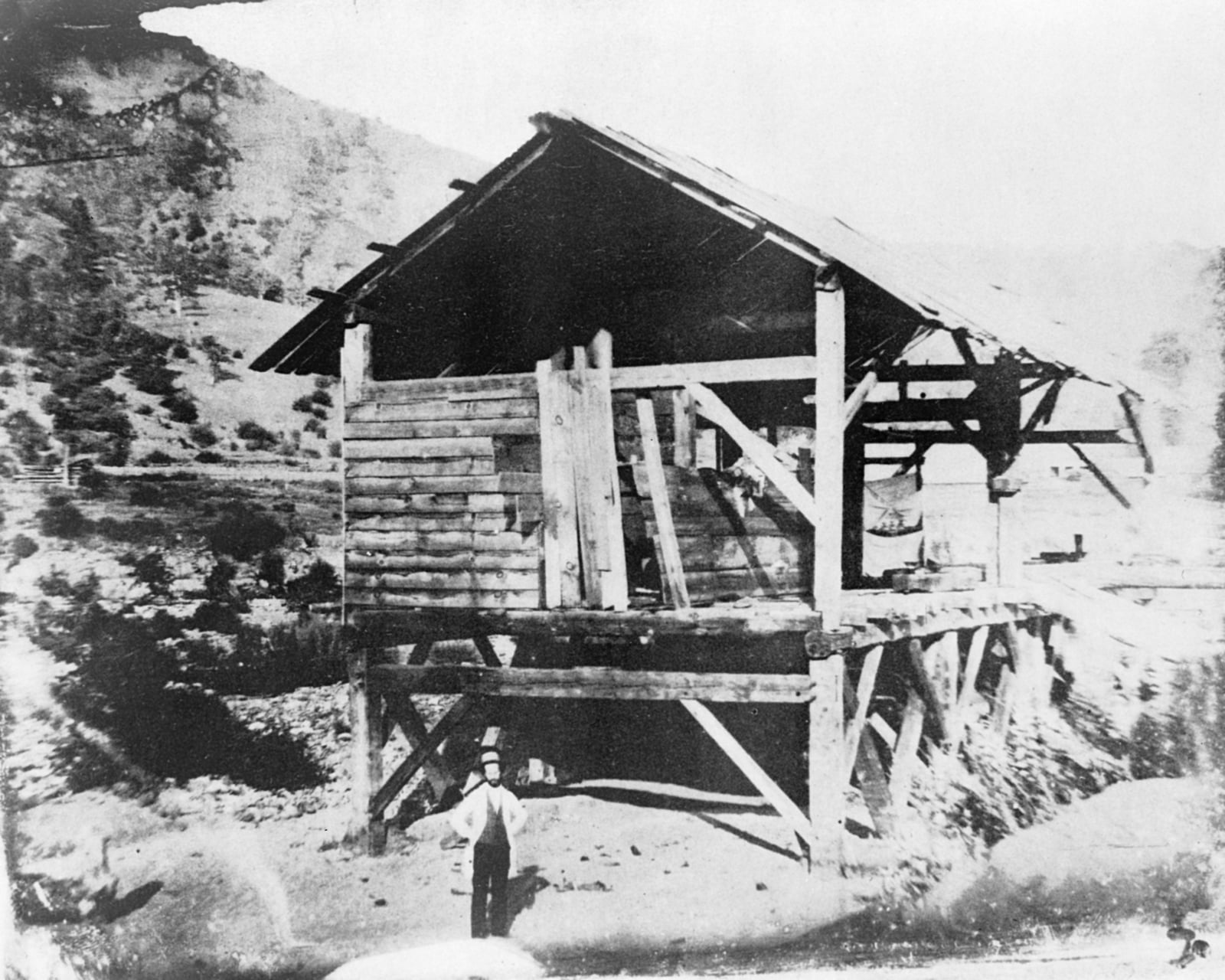
Economic pressures and settler expansion drove this push for territory. The invention of the cotton gin accelerated the spread of plantation agriculture across the Deep South, heightening settler hostility toward sovereign native nations whose borders stood outside individual state authority. This land hunger intensified in Georgia after the discovery of gold in the north Georgia hills near present-day Dahlonega set off the Georgia Gold Rush of 1829, which placed immediate pressure on Cherokee territory. Southern state governments passed legislation attempting to dissolve tribal boundaries and assert control over native soil, while white settlers increasingly moved onto native farms. These actions culminated in prolonged legal battles between the Cherokee Nation and Georgia over sovereign jurisdiction.

Keep reading in Yester
Coming soonKeep following the story
Sources
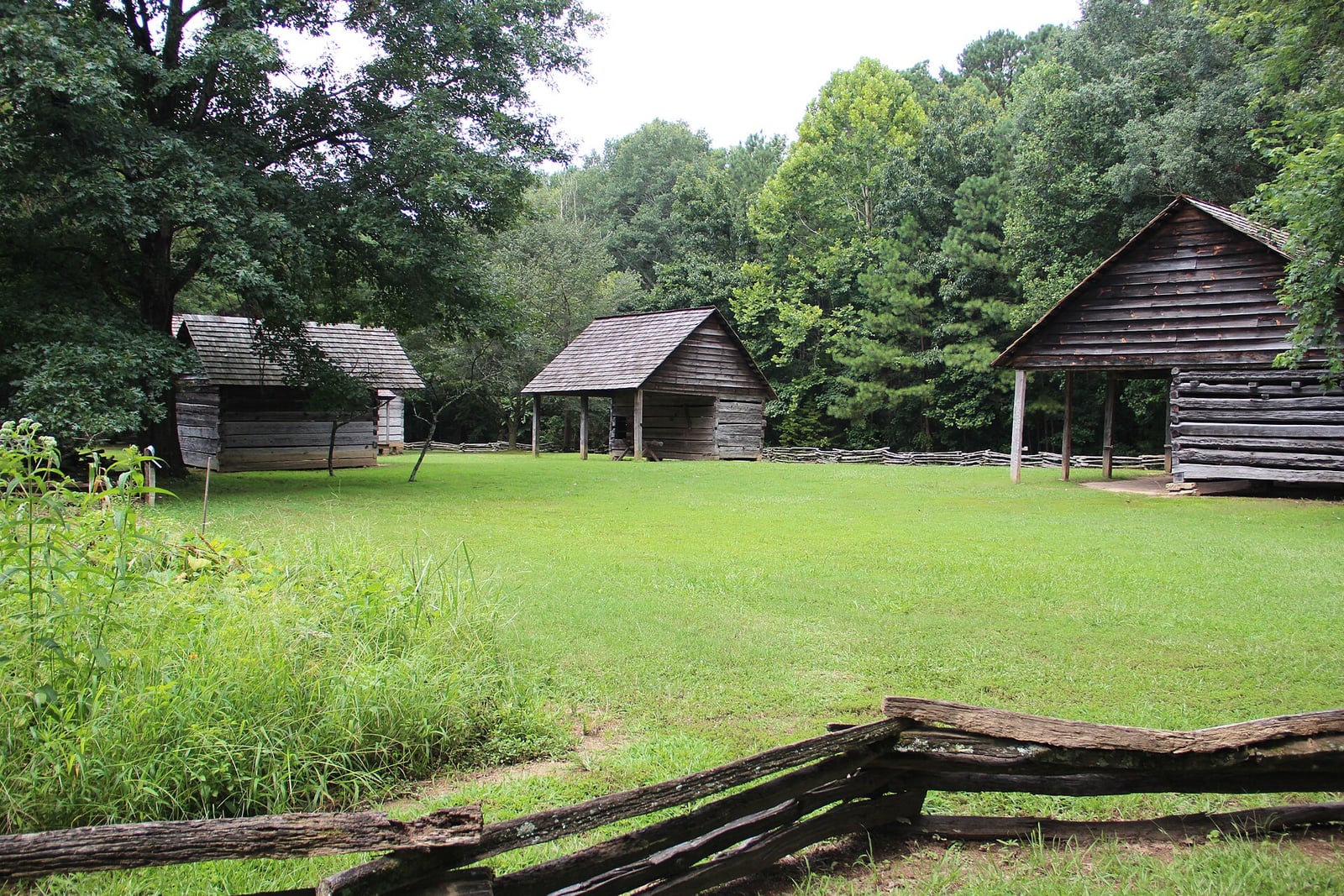
Image: Thomson200 · CC0 · Wikimedia Commons · cropped
