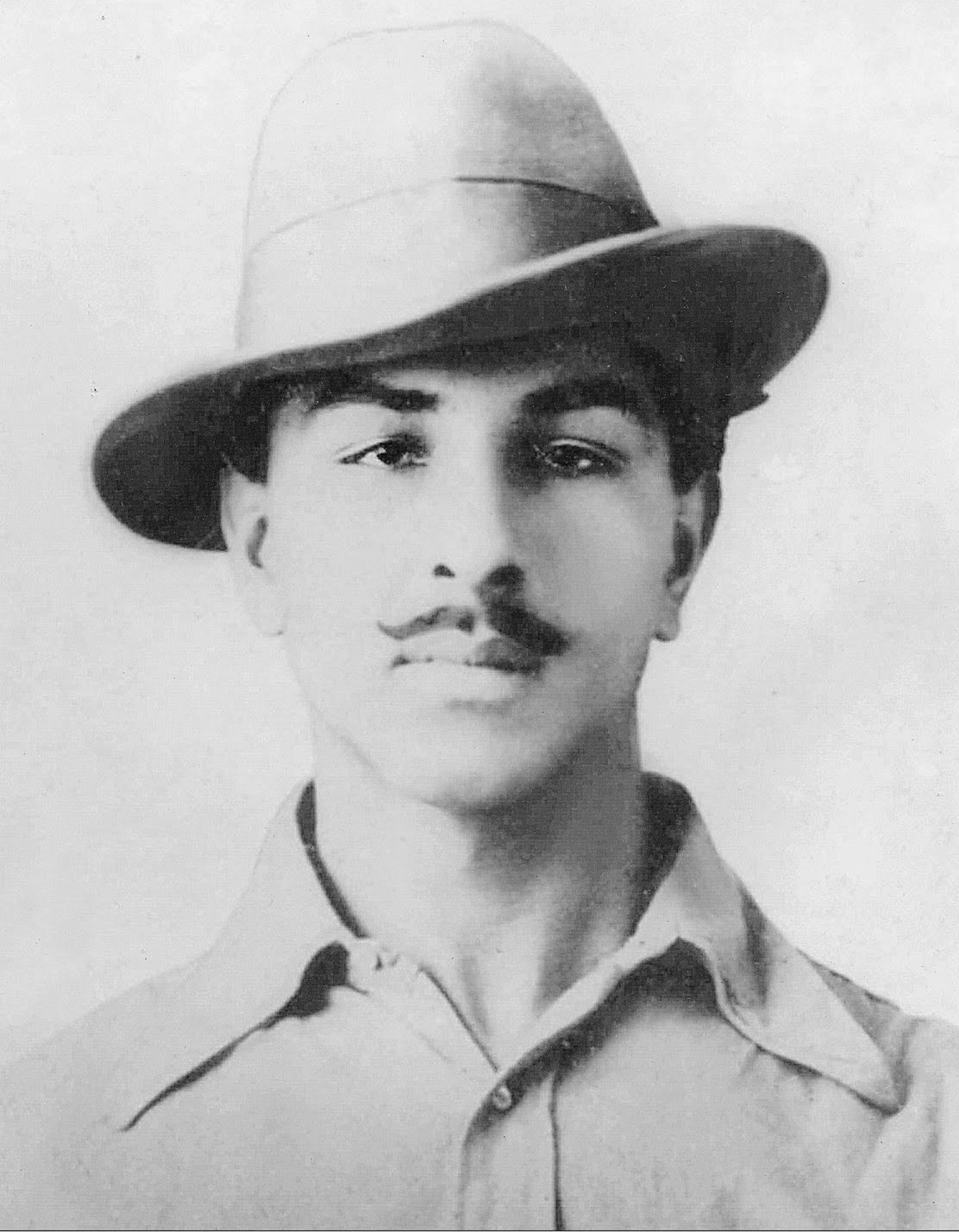
Bhagat Singh Throws Pamphlets and Bombs in the Central Assembly
Two young revolutionaries threw low-intensity bombs and leaflets in the legislature, hurt no one seriously and waited to be arrested, to turn their trial into a stage.
On April 8, 1929, two young members of the Hindustan Socialist Republican Association entered the public gallery of the Central Legislative Assembly in Delhi while it was in session. Bhagat Singh and Batukeshwar Dutt had planned an intervention against British colonial rule, specifically protesting the Trade Disputes Bill and the Public Safety Bill, which the British government had introduced. The bombs were thrown just after the Assembly passed the Trade Disputes Bill, as the President, Vithalbhai Patel, rose to rule on the Public Safety Bill. Singh and Dutt tossed two low-intensity homemade bombs into the chamber among unoccupied benches. Thick smoke filled the hall, lightly injuring several occupants including George Ernest Schuster, the finance member of the Viceroy Executive Council.
Rather than exploiting the resulting panic and smoke to slip away, the two activists held their ground. They scattered leaflets from the gallery across the legislators below, proclaiming their message and shouting revolutionary slogans, most notably Inquilab Zindabad, meaning Long Live the Revolution. Singh intended the explosion as a calculated piece of political theater, and the leaflets quoted the French anarchist Auguste Vaillant, who had thrown a bomb in the Chamber of Deputies in Paris in 1893. The leaflets argued that while individuals might be killed, ideas endure. The primary goal was to surrender to the colonial authorities and convert the inevitable legal proceedings into a public platform for their revolutionary goals.

Keep reading in Yester
Coming soonKeep following the story
Sources
- Legal Proceedings Led To Martyrdom Of Bhagat Singh, Sukhdev And Rajguru (LiveLaw)
- How revolutionaries roused the masses (The Tribune)
- Bhagat Singh and the Assembly bomb case (Mainstream Weekly)
- Jatin Das Fast and Revolutionary Protest (GKToday)
- Saunders Murder Case and Revolutionary Politics (GKToday)
- Bhagat Singh
Image: Unknown author (Ramnath Photographers, Delhi) · Public domain · Wikimedia Commons · cropped
