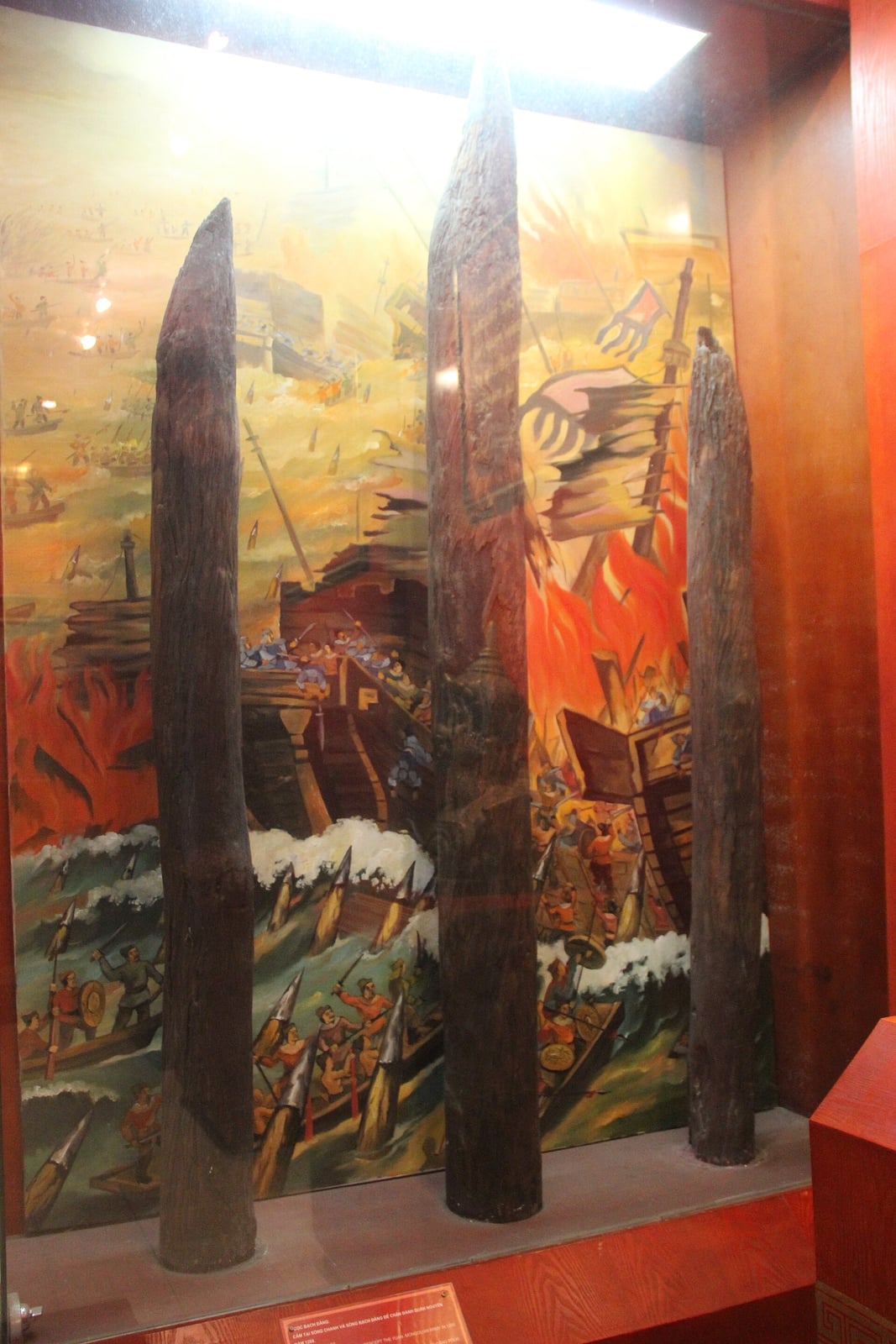
Vietnam Traps a Mongol Fleet on Stakes in the Bạch Đằng River
Trần Hưng Đạo lured the Yuan fleet onto iron-tipped stakes at low tide and ended Kublai Khan’s invasions.
In the early months of 1288, the third Yuan campaign into Đại Việt began unraveling over logistics. Mongol land forces led by Prince Toghon had combined with a massive naval contingent under Admiral Omar and Fan Yi, successfully capturing the capital of Thăng Long in February. However, the defenders had stripped the surrounding country of grain, leaving the occupying army without sustenance. When Vietnamese commanders intercepted and turned back a separate supply armada bringing provisions from China, starvation loomed. Faced with an unsustainable position, Toghon resolved to abandon the campaign, marching the land forces back north while directing the naval contingent to withdraw seaward along the waterways of the Red River Delta.
The retreat route led the Yuan fleet back toward the Bạch Đằng River, the same coastal artery through modern Quảng Ninh province that had granted them entry. Aware of their movements, Prince Trần Quốc Tuấn, better known as Trần Hưng Đạo, recognized an opportunity to stage a catastrophic ambush. The waterway had historically served as a defensive shield; centuries earlier, in 938, Ngô Quyền had vanquished an invading fleet there by driving hidden stakes into the riverbed. Hưng Đạo chose to revive this precise tactical maneuver, systematically surveying the tidal shifts and preparing the river passages in March before the Yuan withdrawal arrived.

Keep reading in Yester
Coming soonKeep following the story
Sources
Image: Gary Todd from Xinzheng, China · CC0 · Wikimedia Commons · cropped
