Black South Africans Found a National Congress
Chiefs, lawyers, teachers and clergy met in Bloemfontein to form the organization later known as the African National Congress.
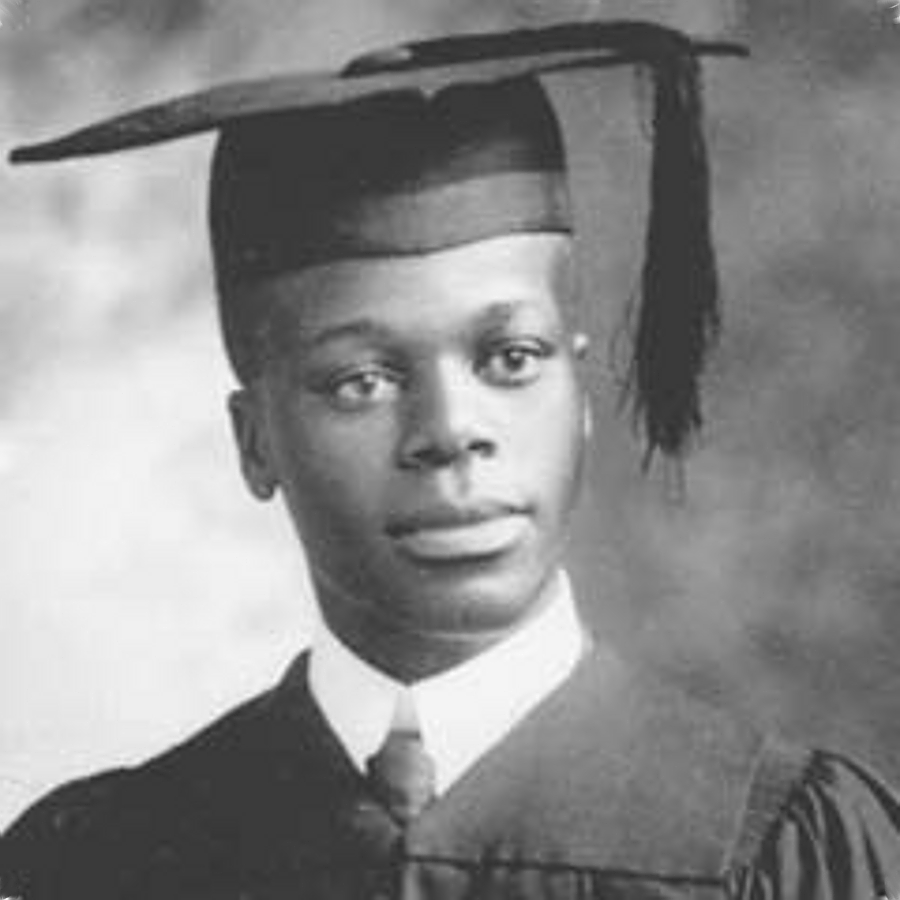
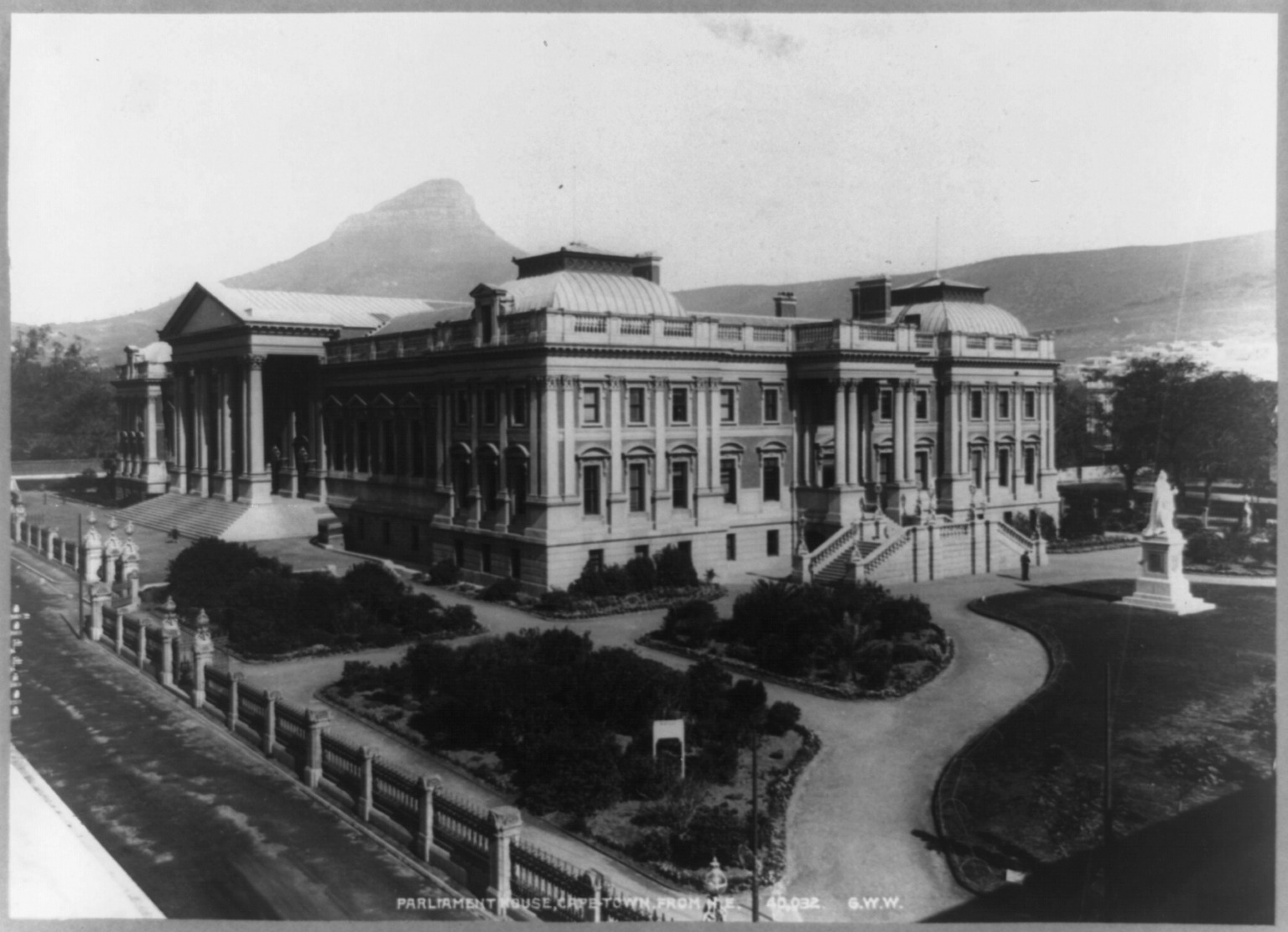
On 8 January 1912, representatives gathered in Bloemfontein to establish the South African Native National Congress. The meeting was organised by lawyers including Pixley ka Isaka Seme and brought together chiefs, clergy, teachers, editors and other educated Black South Africans. Sol Plaatje was elected secretary-general, and John Langalibalele Dube, who did not attend, was elected the first president. They formed the body to advocate for the rights of black South Africans, partly in response to the discriminatory laws of the new Union of South Africa, whose parliament Black Africans could not enter. Traditional leaders also backed the project, and the organisation named several chiefs as honorary presidents. It was later renamed the African National Congress, in 1923 according to some sources and 1925 according to others.
During its opening decades, the organisation adhered primarily to respectful deputations and constitutional appeals, a strategy known as the politics of petitioning. In the following years the movement also campaigned against the pass laws. Internal debates regarding strategy soon tested the organization. Josiah Gumede, elected president in 1927, urged cooperation with the Communist Party and favoured mass mobilisation, but traditionalist delegates voted him out in 1930 in favour of Seme. Under Seme's cautious tenure, the congress experienced a distinct lull in national influence before renewed trade union activity and younger leadership began reviving its standing during the 1940s.

Keep reading in Yester
Coming soonKeep following the story
Sources
Image: Unknown author · Public domain · Wikimedia Commons · cropped
