The Wizard of Oz Carries Audiences from Sepia Kansas to Technicolor Oz
MGM’s costly musical lost money on its first release, then became one of the most watched films in history through television.
In early 1938, Metro-Goldwyn-Mayer acquired the screen rights to L. Frank Baum's 1900 children's fantasy novel The Wonderful Wizard of Oz. Spurred by the commercial triumph of Walt Disney's animated feature Snow White and the Seven Dwarfs, the studio embarked on an ambitious adaptation that evolved through a turbulent development process. At least ten writers contributed to shaping the narrative, including Noel Langley, Florence Ryerson, and Edgar Allan Woolf, who received the final screen credits. To make the fantastical premise palatable to contemporary moviegoers, the writers reconfigured Dorothy Gale's journey into an extended dream sequence framed by real-world counterparts on her Kansas farm.
Casting and directorial duties faced immediate upheaval once filming began in October 1938. Richard Thorpe directed for about two weeks before producer Mervyn LeRoy, unhappy with the footage, removed him. George Cukor briefly took over as a creative adviser, altering Judy Garland's appearance by discarding a blonde wig and doll-like makeup in favor of a natural look, before departing for Gone with the Wind. Victor Fleming then assumed primary directorial control, adhering to Cukor's revised aesthetic. Meanwhile, Buddy Ebsen, originally cast as the Tin Man after swapping parts with Ray Bolger, suffered a critical respiratory reaction from inhaling aluminum powder makeup. Jack Haley replaced Ebsen, wearing a safer aluminum paste, though Ebsen's recorded singing remained in several group musical numbers.

Keep reading in Yester
Coming soonKeep following the story
Sources
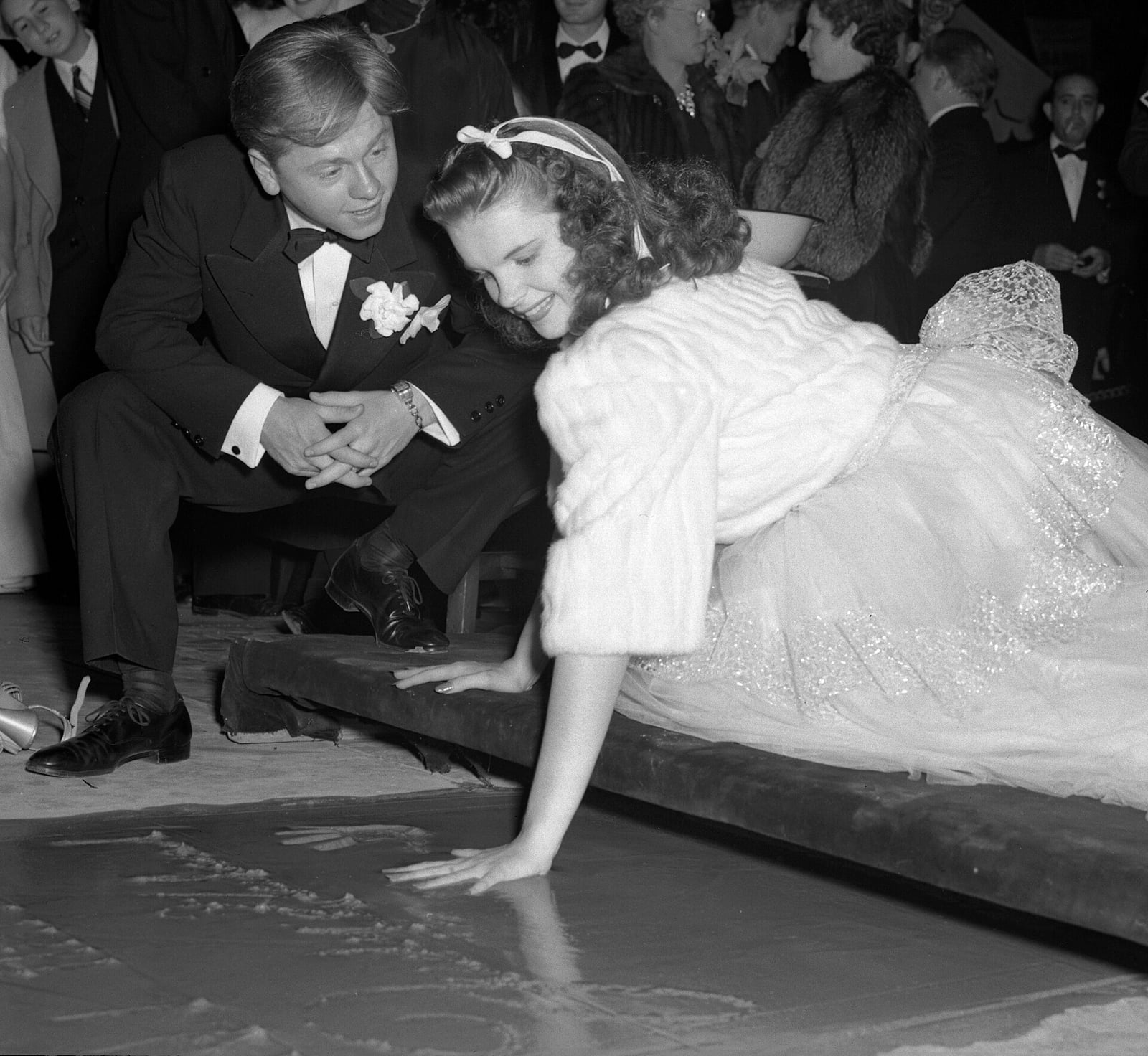
Image: Los Angeles Times · CC BY 4.0 · Wikimedia Commons · cropped
