William Withering Turns a Folk Remedy into Heart Medicine
A doctor studied a herbalist’s foxglove tea and published how digitalis could treat heart failure.
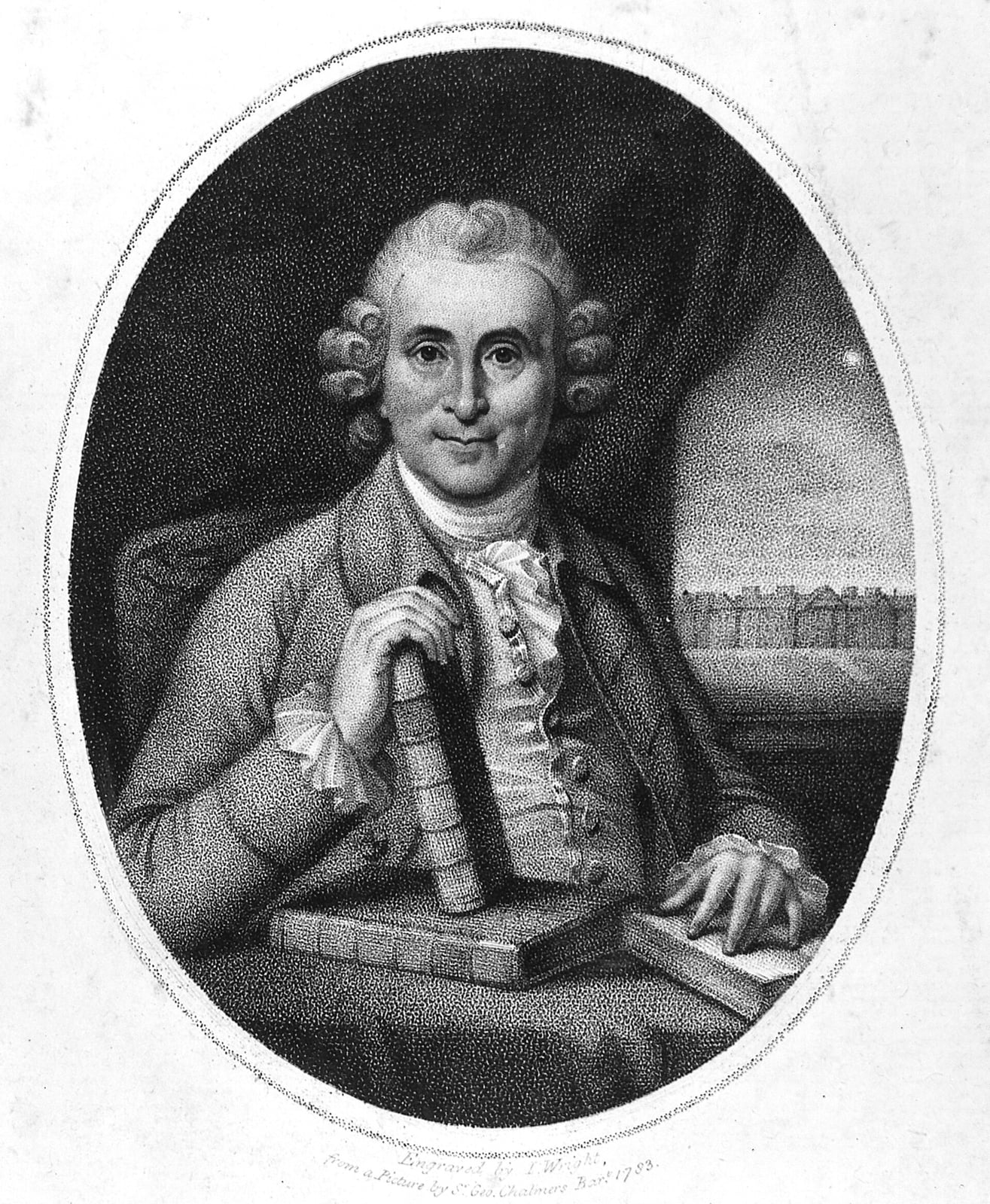
In 1785, the English physician and botanist William Withering published An Account of the Foxglove and Some of Its Medical Uses, documenting a decade of clinical trials that introduced digitalis into orthodox medicine. Withering, who had trained at the University of Edinburgh Medical School before joining the staff at Birmingham General Hospital, turned his attention to the treatment of dropsy, a condition characterised by swelling and fluid retention often caused by heart failure. His monograph systematically detailed the therapeutic actions and severe toxicity of the purple foxglove, establishing practical rules for administering a remedy that had previously existed only within informal domestic recipes.
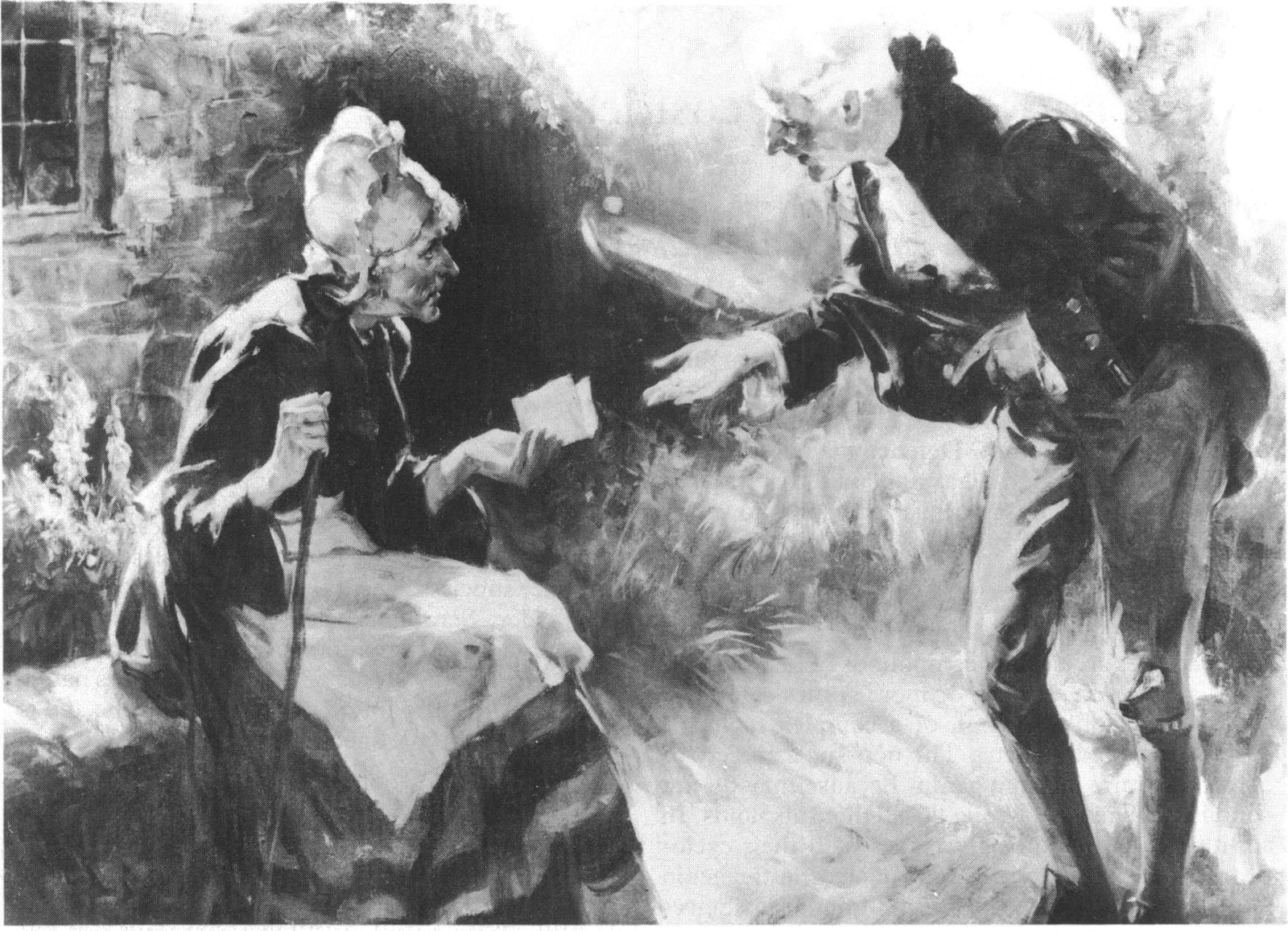
A popular twentieth-century legend claimed that Withering acquired the recipe directly from an old Shropshire herbalist dubbed Mother Hutton, whom he allegedly deprived of recognition. Modern historical research has demonstrated that this figure was invented in 1928 for an advertising campaign run by the pharmaceutical firm Parke-Davis. In his own book, Withering wrote only that in 1775 his opinion was asked about a family recipe for dropsy that had long been kept secret by an old woman in Shropshire, and he never gave her a name. Informed by his extensive botanical training, Withering identified the purple foxglove as the decisive active element among the twenty or more herbs in the mixture.

Keep reading in Yester
Coming soonKeep following the story
Sources
- An Account of the Foxglove and some of its Medical Uses, 1785 (Project Gutenberg, primary text)
- William Withering (1741-1799): a biographical sketch of a Birmingham Lunatic (James Lind Library)
- William Withering and the foxglove (Hektoen International)
- William Withering (Grace's Guide to British Industrial History)
- William Withering (Encyclopaedia Britannica)
- William Withering
Image: William Meade Prince · Public domain · Wikimedia Commons · cropped
