
Richard Nixon Resigns over Watergate
Facing near-certain impeachment over the cover-up of a break-in, Nixon became the only US president to resign.
On the morning of August 9, 1974, Richard Nixon became the first president of the United States to resign from office. His departure concluded an escalating constitutional crisis triggered by the June 1972 break-in at the Democratic National Committee headquarters in the Watergate office complex. Although Nixon initially secured a sweeping re-election victory in 1972 over Democratic challenger George McGovern, investigative disclosures, televised congressional inquiries, and judicial rulings steadily dismantled his defenses. By the late summer of 1974, evidence directly tied the White House to illegal efforts to thwart justice, leaving the administration without the necessary political support to survive an impending legislative trial.
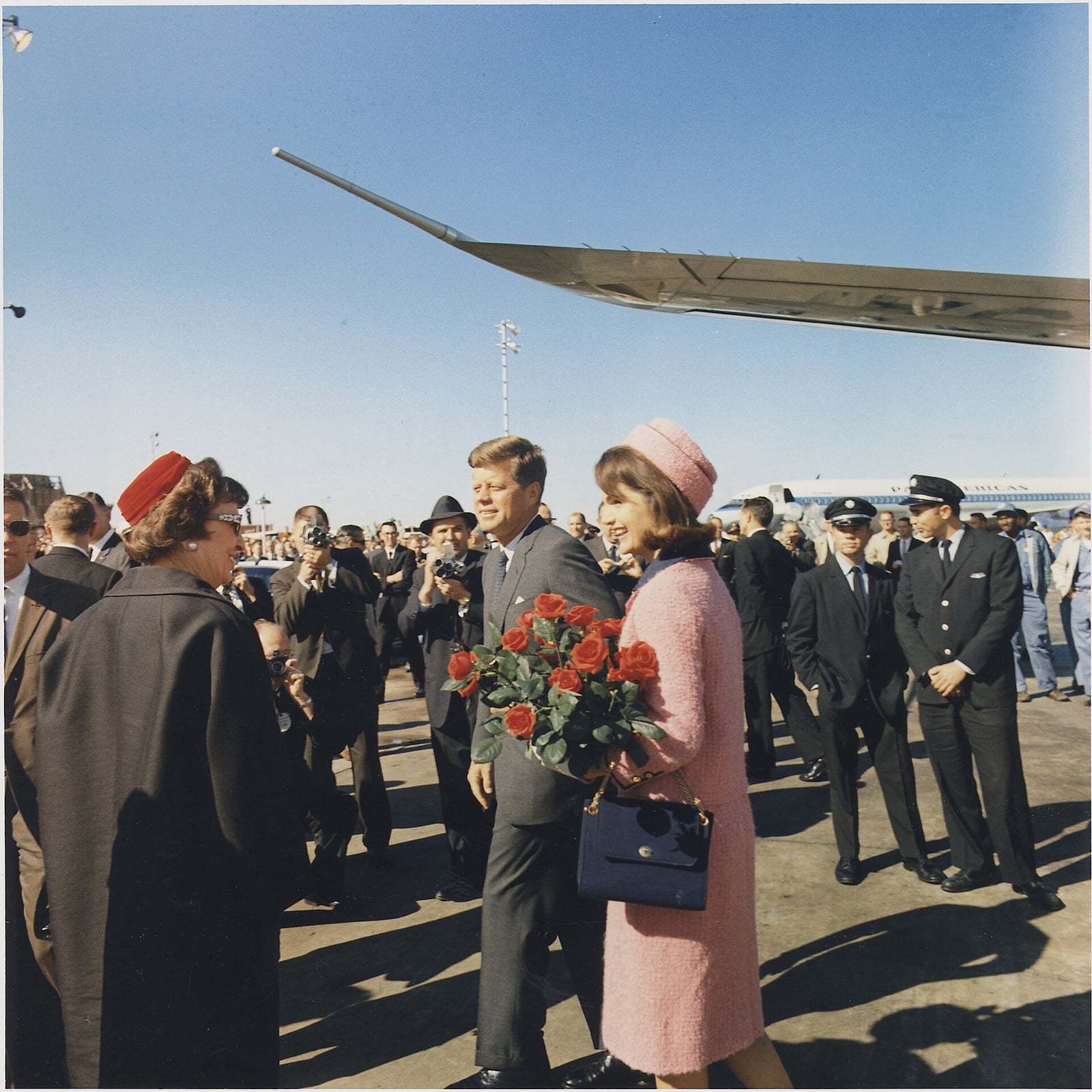
Nixon's presidency had begun on January 20, 1969, following a narrow general election victory over Vice President Hubert Humphrey and third-party candidate George Wallace. In that campaign, Nixon played on the country's deep social divisions, offering himself as a stabilizing leader for what he described as the silent majority. The race had unfolded after Democratic incumbent Lyndon B. Johnson abandoned his bid for re-election, a dramatic turn followed by the assassination of Robert F. Kennedy and widespread anti-war protests outside the Democratic National Convention. Nixon's national emergence had come earlier, serving two terms as vice president under Dwight D. Eisenhower before suffering a narrow defeat to John F. Kennedy in the 1960 presidential contest.

Keep reading in Yester
Coming soonKeep following the story
Sources
Image: White House photographer (Nixon administration) · Public domain · Wikimedia Commons · cropped
