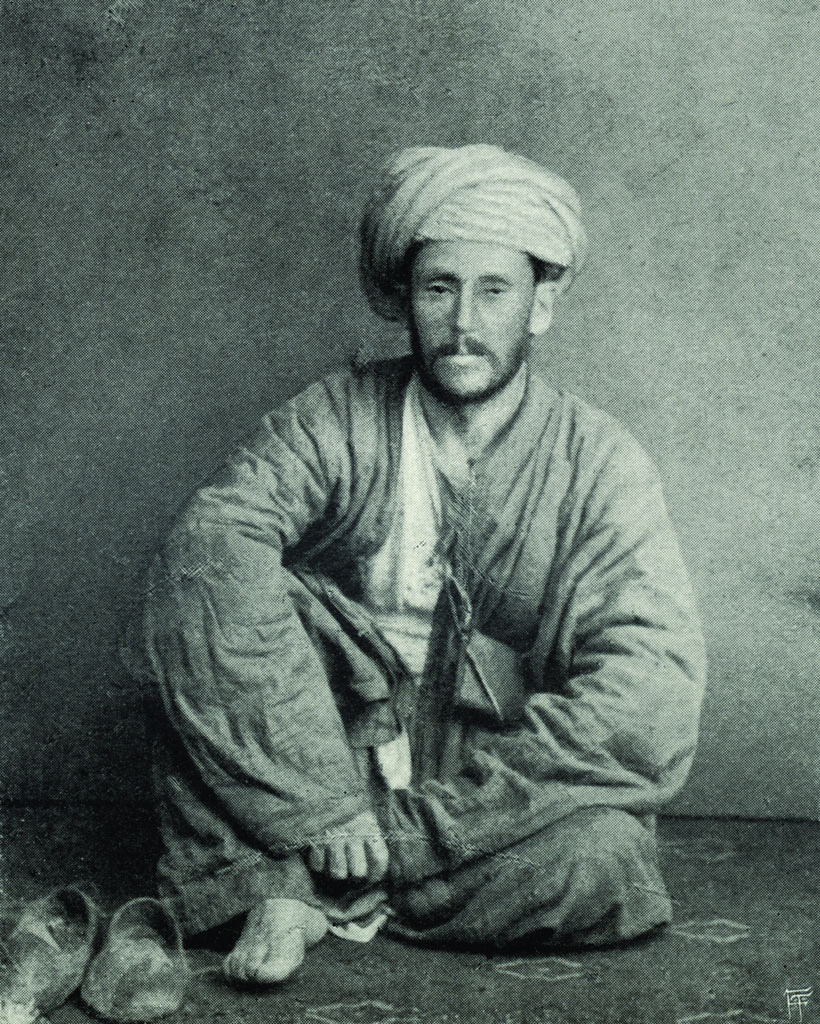
A Hungarian Scholar Crosses Central Asia Disguised as a Dervish
Ármin Vámbéry joined pilgrims returning from Mecca and reached Khiva, Bukhara and Samarkand, then wrote one of the first European accounts.
In the autumn of 1861, the Hungarian linguist Ármin Vámbéry set out from Istanbul on a journey across regions of Central Asia that were almost entirely inaccessible to Western travelers. Born into a poor family in 1832, Vámbéry had grown up in hardship and was lame from childhood, which left him walking with crutches. Despite his poverty and limited early schooling, he showed an extraordinary facility for languages and turned his attention to Ottoman Turkish and related Asian tongues.
Supported by a stipend of one thousand florins from the Hungarian Academy of Sciences, Vámbéry intended to explore the linguistic ties of the Magyar tongue. He adopted the identity of Reshit Efendi, a Sunni dervish, and assumed Ottoman mannerisms so thoroughly that he could travel without instantly provoking deadly suspicion. Leaving Istanbul, he reached Trebizond on the Black Sea, journeyed inland to Tehran, and there attached himself to an unsuspecting company of Muslim pilgrims making their way home from Mecca across central Iran.

Keep reading in Yester
Coming soonKeep following the story
Sources
Image: ismeretlen francia vándorfotográfus · Public domain · Wikimedia Commons · cropped
