Ur Raises a Monument Between City and Sky
A monumental platform reveals the religious and political ambitions of an ancient Mesopotamian city.
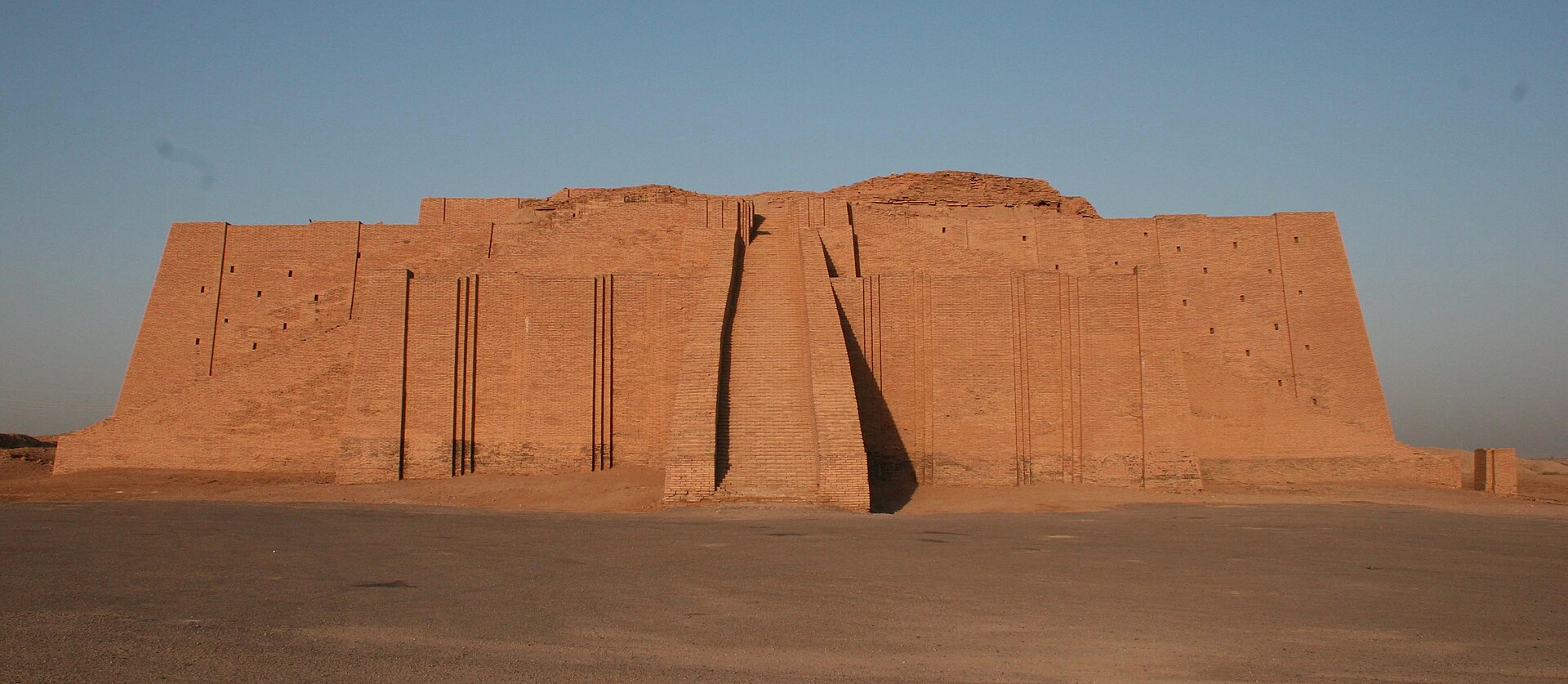
During the twenty-first century BC, King Ur-Nammu of the Third Dynasty of Ur initiated the construction of a massive stepped platform dedicated to Nanna, the patron moon god of Ur. Known in Sumerian as Etemenniguru, meaning the house whose foundation creates terror, the complex occupied a central place within the city in present-day southern Iraq. Built during the Early Bronze Age, the monument functioned as part of an administrative center alongside its sacred role. Ur-Nammu was unable to finish the project before his death, leaving the completion to his son and successor, King Shulgi.
Shulgi ruled for forty-eight years, expanding the authority of Ur until the city served as the administrative capital over much of Mesopotamia. To consolidate his authority and secure civic loyalties, Shulgi declared himself a divine ruler while completing the temple complex. The original Sumerian structure rose across three terraced stages, composed of a solid core of sun-dried mud bricks protected by an exterior shell of baked bricks bound together with bitumen mortar. Surviving foundation dimensions show the base extended sixty-four meters in length and forty-five meters in width, though its ancient height remains a matter of scholarly speculation because only the lowest tiers endured into later antiquity.

Keep reading in Yester
Coming soonKeep following the story
Sources
Image: Tla2006 · Public domain · Wikimedia Commons · cropped
