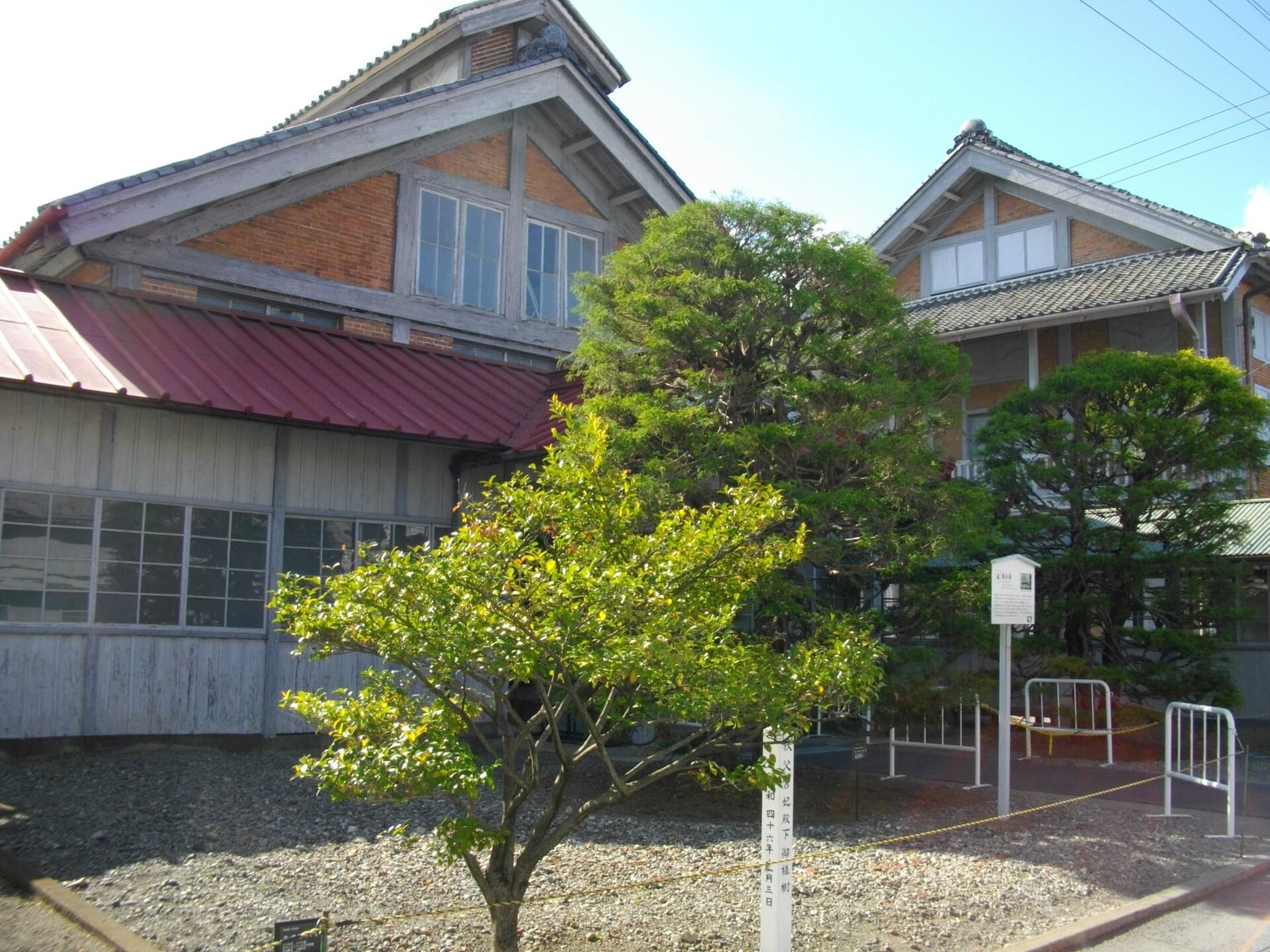
Japan Opens a Model Silk Mill with French Machines
The Meiji government built a mechanized silk mill at Tomioka with French equipment and engineers, and trained young women to spread the methods.
Following the political transitions of the early Meiji era, the Japanese government sought vital export commodities to fund its modernization and industrialization programs. Silk and related products made up a large share of Japanese exports, and state leaders wanted to raise the quality and value of the reeled silk Japan sold abroad. Lacking the technical capacity to construct large mechanized mills independently, leaders such as Okuma Shigenobu, Ito Hirobumi, and Shibusawa Eiichi enlisted Paul Brunat, a French raw silk inspector based in Yokohama, to oversee the creation of an expansive model factory in Tomioka.
French engineer Edmond Bastien prepared the architectural blueprints in late 1870, drawing upon timber-framed brick construction methods he had applied at the Yokosuka ironworks. Because brick was not yet widely manufactured in Japan, builders erected a dedicated kiln in nearby Kanra to utilize local clay. Brunat journeyed to France to purchase machinery and engage specialized personnel, while Odaka Atsutada coordinated domestic procurement and construction. Work began in 1871, establishing a central reeling mill with two cocoon warehouses built at right angles to it around a courtyard.

Keep reading in Yester
Coming soonKeep following the story

Sources
- Tomioka Silk Mill and Related Sites (UNESCO World Heritage Centre)
- Tomioka Silk Mill and Japanese Industrialization (Ministry of Land, Infrastructure, Transport and Tourism, Japan)
- Former Tomioka Silk Mill reeling building (Cultural Heritage Online, Agency for Cultural Affairs, Japan)
- Tomioka Silk Mill (Fun! Japan, Japan travel and culture guide)
- Tomioka Silk Mill: Introduction to the Four Sites (Gunma Prefecture)
- Industrial Heritage: Tomioka Silk Mill (Nihonmono)
- Tomioka Silk Mill
Image: Abasaa · Public domain · Wikimedia Commons · cropped
