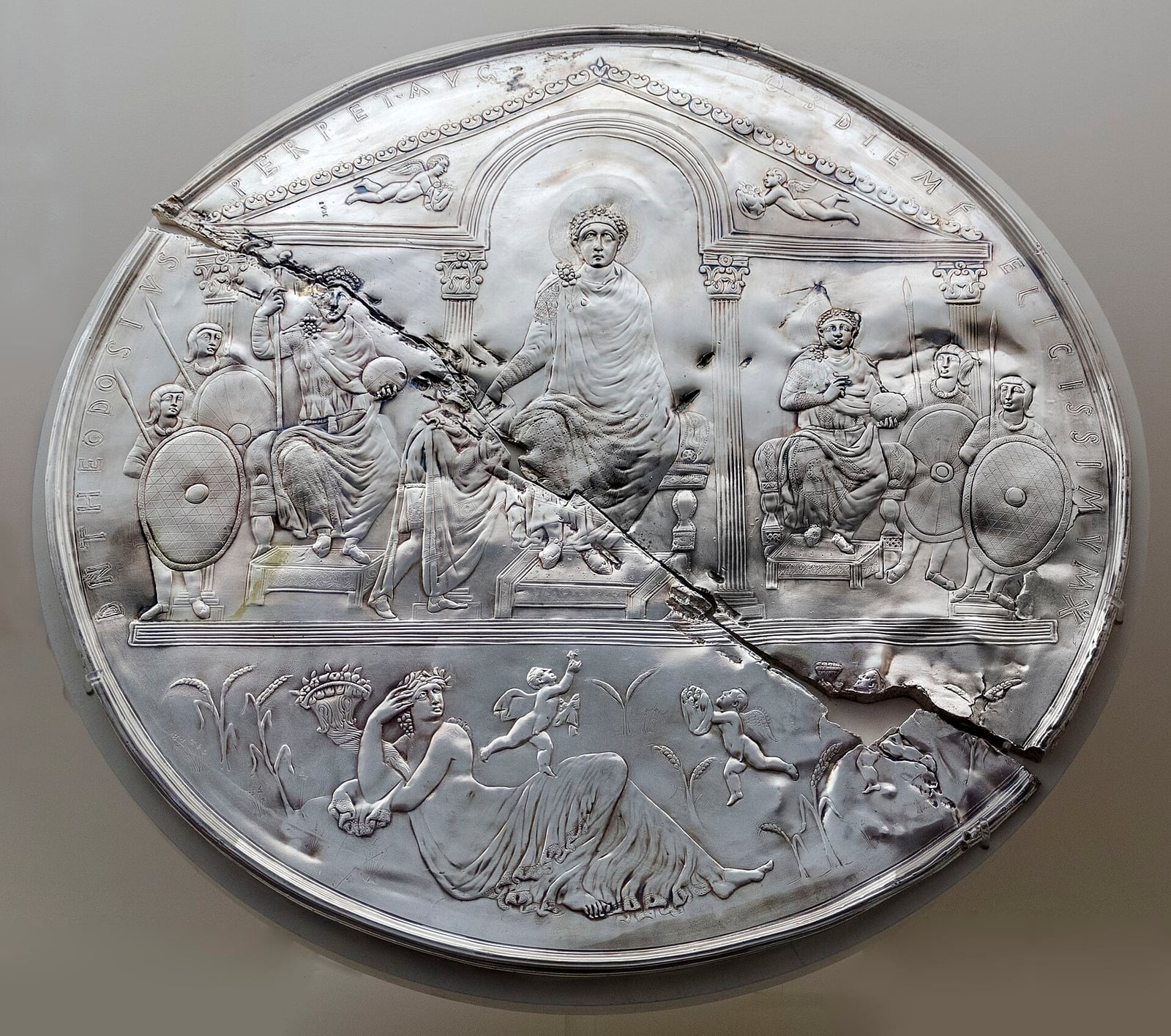
Theodosius Makes Nicene Christianity Rome’s Official Faith
Less than seventy years after toleration, an emperor declared one creed the only lawful Christianity in the empire.
On 27 February 380, the eastern Roman emperor Theodosius I issued an imperial decree in the city of Thessalonica alongside his western counterparts, Gratian and Valentinian II. Known historically as the Edict of Thessalonica, the pronouncement formally defined Nicene Christianity as the official religious standard across the Roman Empire. Addressed specifically to the population of Constantinople, the decree was intended to stabilize the city as Theodosius prepared to establish his primary imperial residence there, while legally demanding that all imperial subjects adhere to a single theological definition of the Trinity.
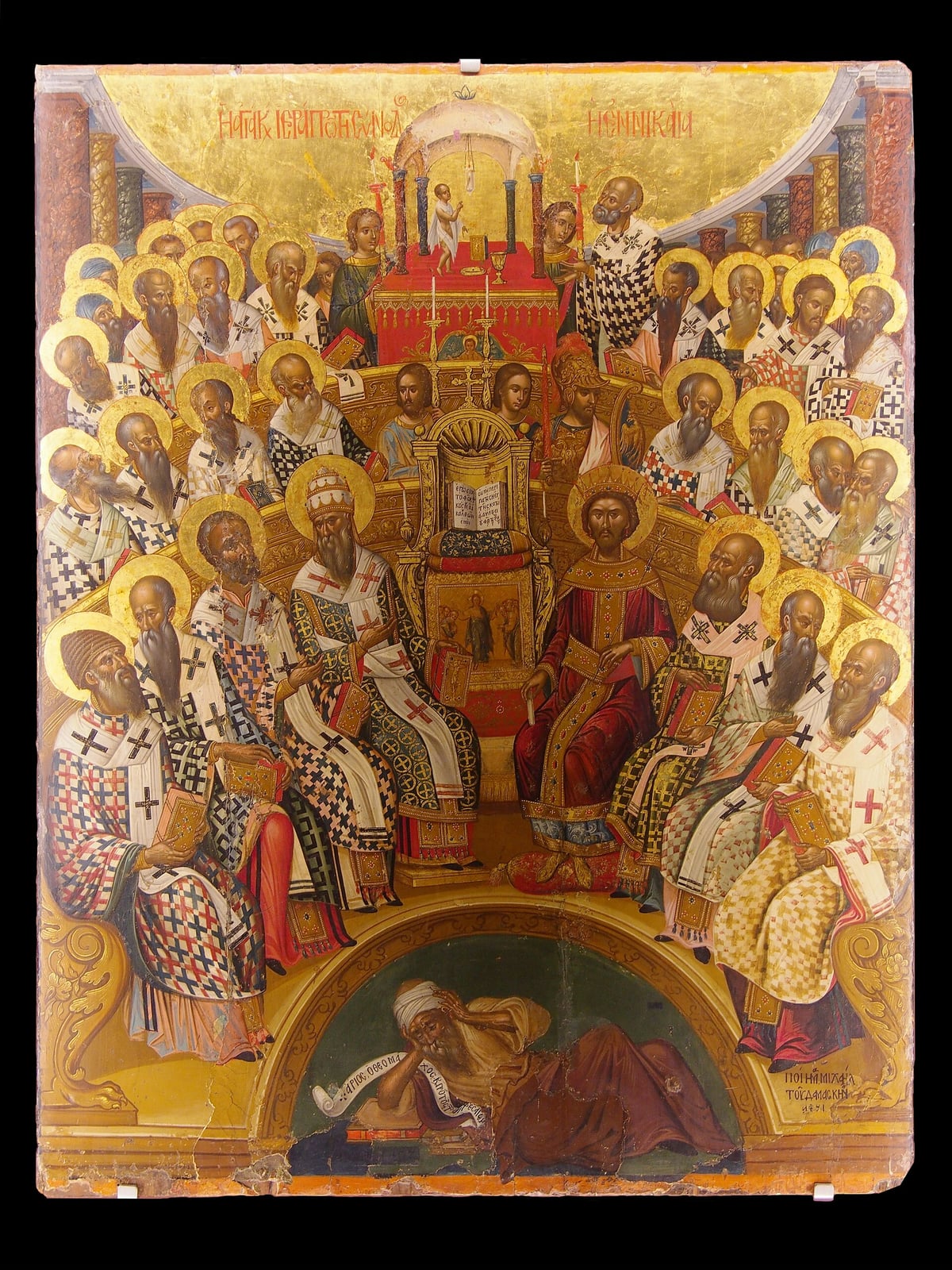
This sweeping declaration emerged after decades of doctrinal instability following the Edict of Milan, which had introduced general religious toleration for persecuted Christians under Constantine I and Licinius in 313. Rather than producing unity, toleration revealed deep fractures over the nature of the Godhead. The most prominent dispute centered on the teachings of Arius, who maintained that the Son was a created being subordinate to the Father rather than equal in divine essence. To resolve the rift, Constantine convened the Council of Nicaea in 325, yielding a creed that identified Christ as true God and consubstantial with the Father.

Keep reading in Yester
Coming soonKeep following the story
Sources
Image: Ángel M. Felicísimo · CC BY 3.0 · Wikimedia Commons · cropped
