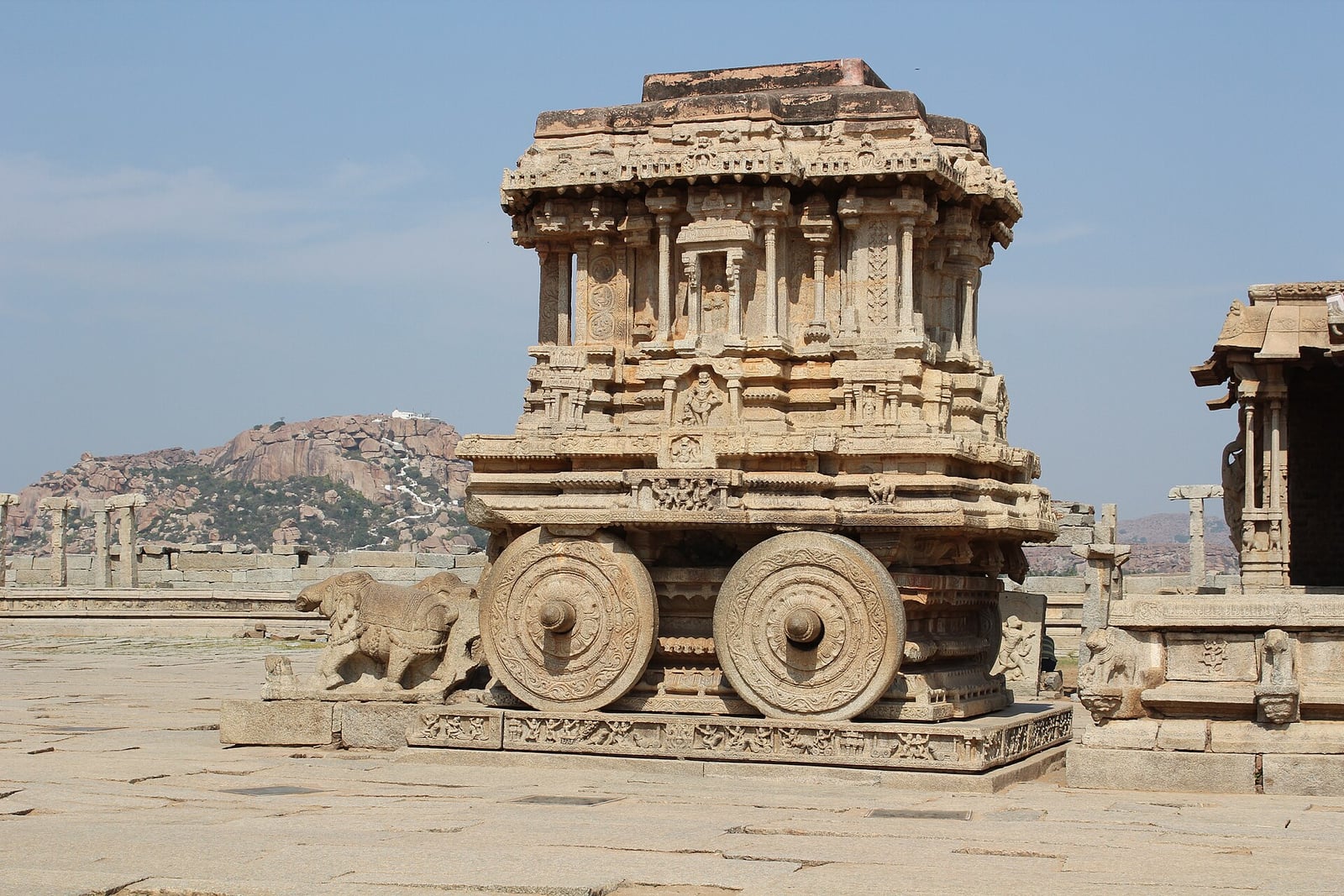
The Deccan Sultanates Destroy the Vijayanagara Empire
Defeat at Talikota left the great city of Vijayanagara to be looted for months and abandoned.
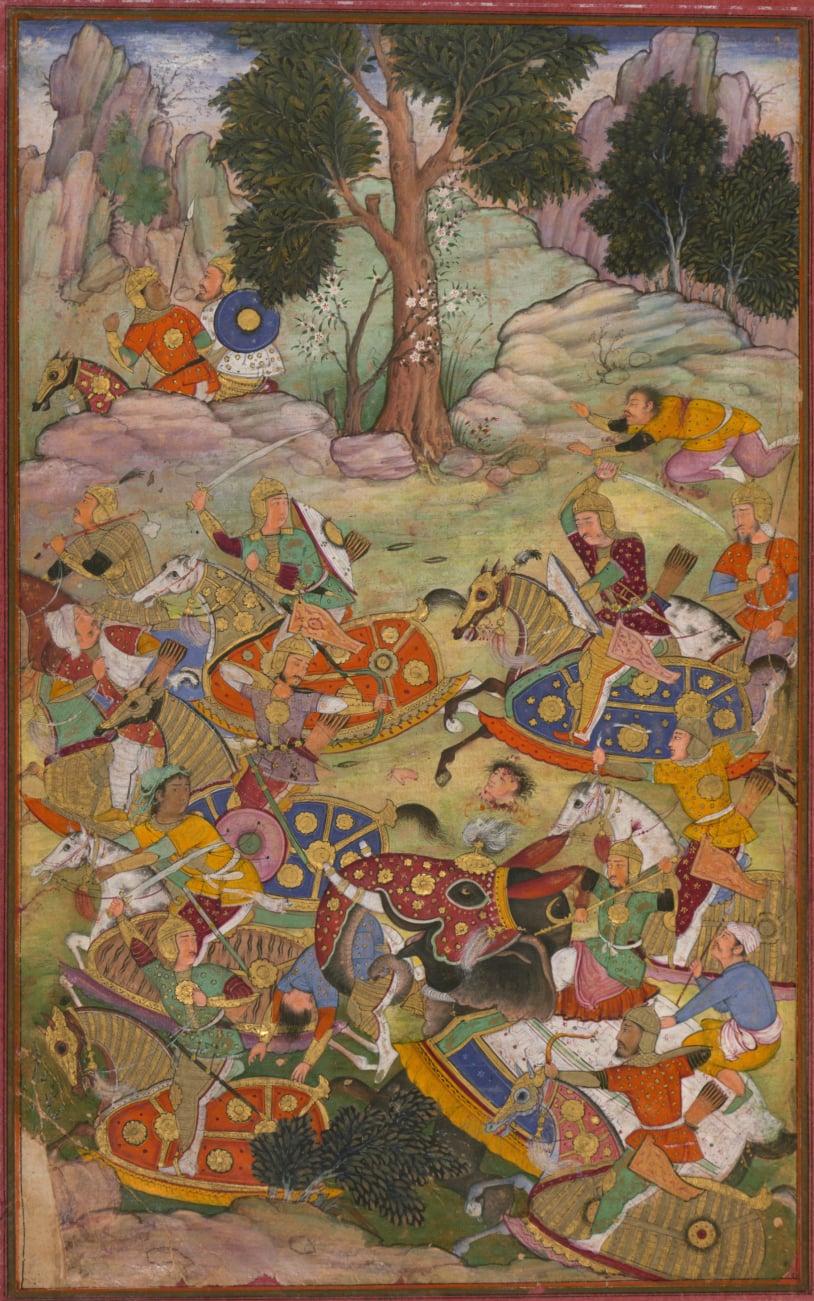
On 23 January 1565, the armies of the Vijayanagara Empire clashed with a united coalition of Deccan sultanates along the banks of the Krishna River in southern India. Modern historians refer to the engagement as the Battle of Talikota, though primary chronicles also place the fighting near the settlements of Rakkasagi-Tangadigi or Banahatti. For two decades prior to the confrontation, the de facto ruler of Vijayanagara, Aliya Rama Raya, had preserved his regional dominance by exploiting rivalries among the splinter states of the former Bahmani Sultanate. That delicate balance collapsed when aggressive interventions over Kalyan, coupled with diplomatic snubs, prompted the rulers of Ahmadnagar, Bijapur, Bidar, and Golkonda to forge marital alliances and coordinate a joint military expedition against him.
Reconstructing the precise course of the engagement remains challenging because surviving Portuguese reports, court histories from Ahmadnagar and Bijapur, and contemporary regional chronicles present contradictory narratives. Disagreements persist regarding the exact duration of the clash, ranging from several hours to multiple days, as well as the initial deployments. Certain accounts, echoed in later surveys, state that the Vijayanagara forces held the advantage until two Muslim commanders, known as the Gilani brothers, defected to the sultanates. Numerous modern specialists challenge that betrayal narrative as speculative, attributing it to reports popularized by European travelers and later nationalistic accounts, arguing instead that the sultanates owed their victory to better integrated artillery tactics and a distinct technological disparity in the use of gunpowder.

Keep reading in Yester
Coming soonKeep following the story
Sources
Image: Arian Zwegers from Brussels, Belgium · CC BY 2.0 · Wikimedia Commons · cropped
