The Deadliest Earthquake on Record Strikes Shaanxi
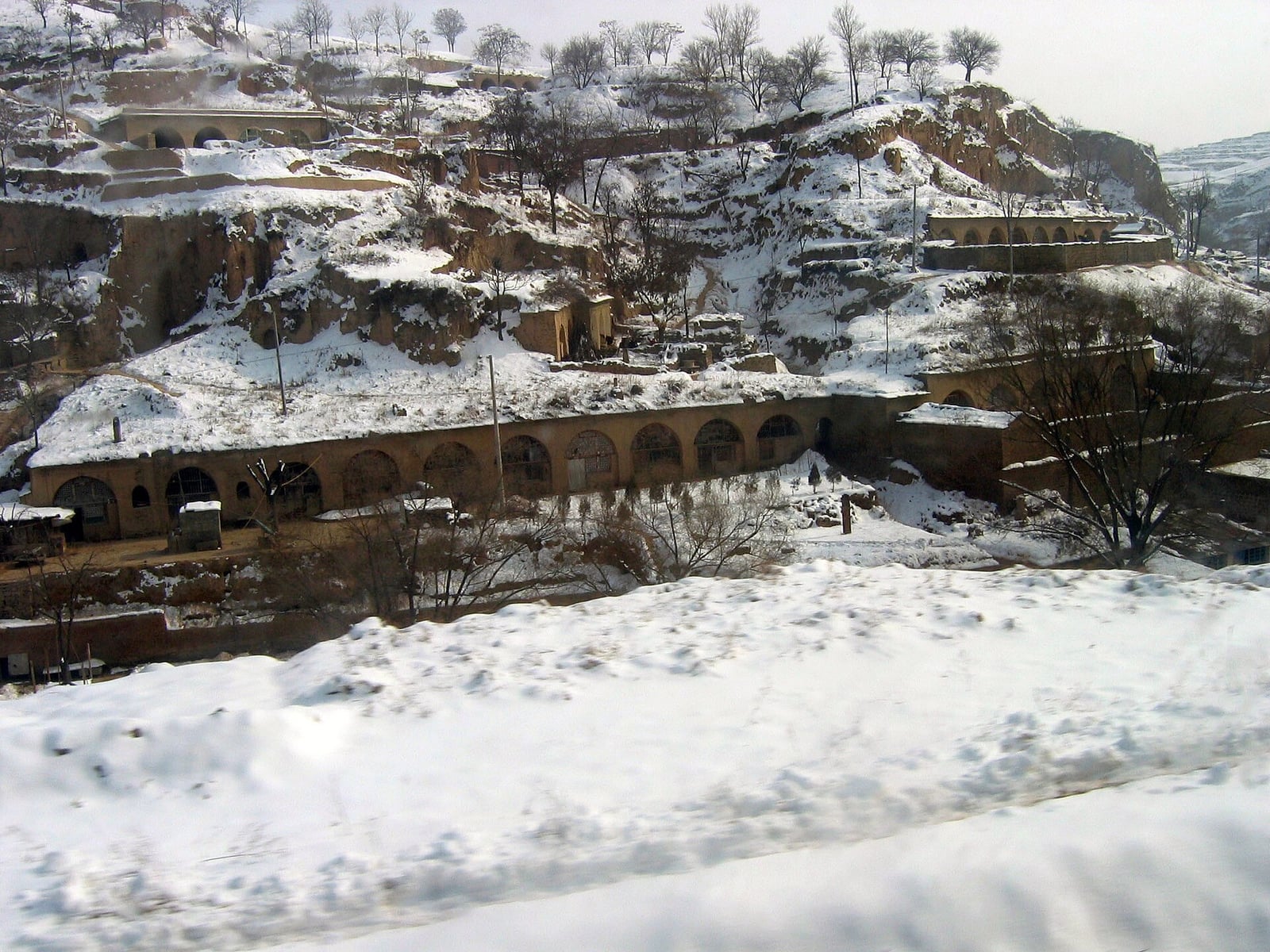
Some 830,000 people died, many in cave homes carved into soft loess cliffs that collapsed in the night.
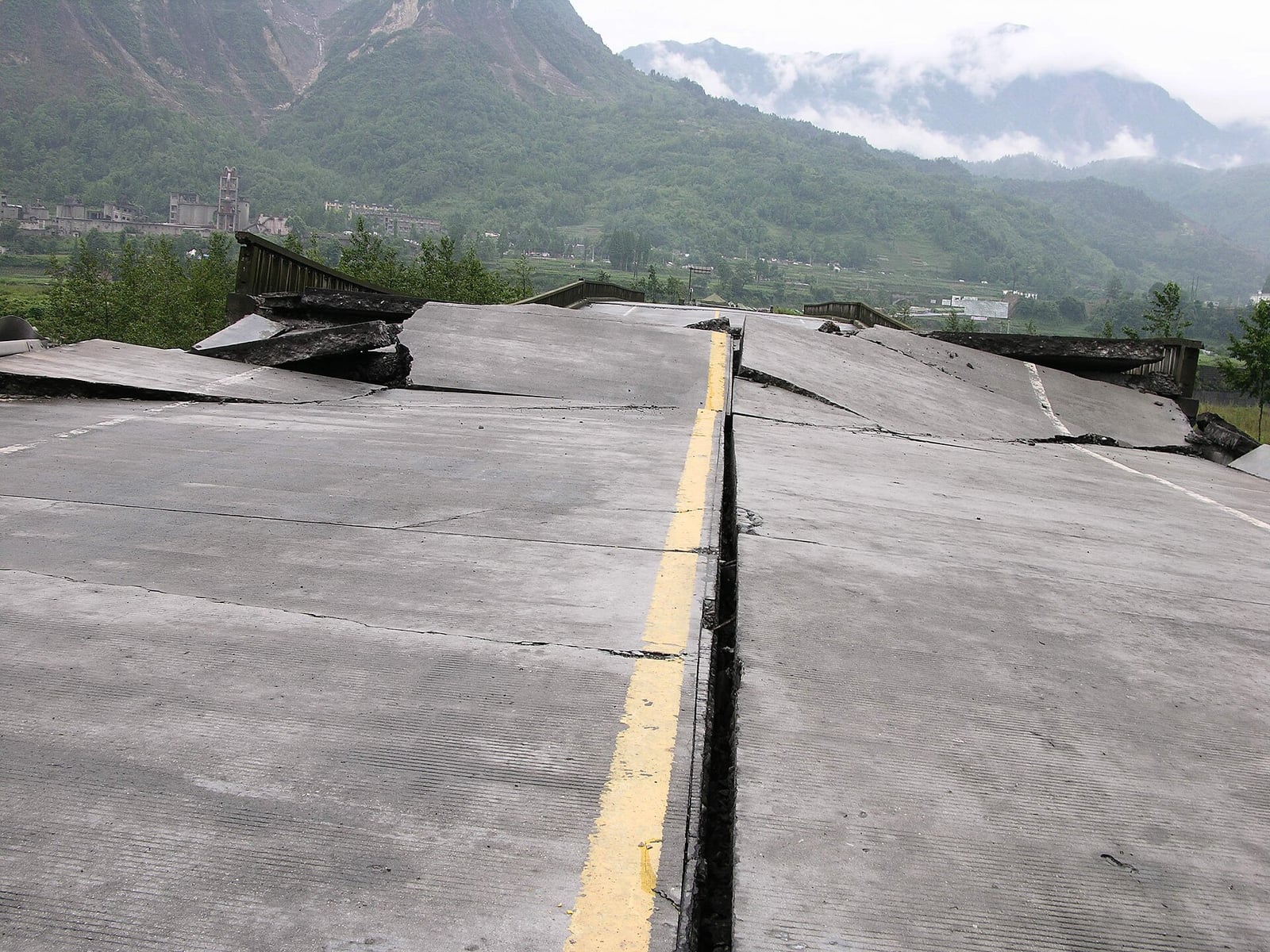
In the early hours of January 23, 1556, a powerful earthquake shook the Wei River Valley in northern China during the reign of the Jiajing Emperor of the Ming dynasty. The seismic epicenter struck near Huaxian in Shaanxi province, reaching neighboring settlements such as Weinan and Huayin. Damage was reported across Shaanxi and several neighbouring provinces, from Shanxi and Henan to Gansu. Contemporary annals described dramatic transformations of the physical terrain, with land abruptly sinking into troughs, new elevations rising, and deep fissures cutting across the earth, while urban walls, shrines, and government offices collapsed.
The disaster unfolded along the rift basins bordering the Ordos Block, where ongoing tectonic extension produced major normal faults, including the Huashan and Weinan fault segments. Scientists have generally estimated the earthquake's magnitude at about 8.0, with some estimates as high as 8.3, and its intensity near the epicenter at XI, or extreme, on the Modified Mercalli scale. Nevertheless, some modern geological analyses suggest that if fault rupture was limited to ninety kilometers along those specific structures, empirical scaling models could indicate a lower magnitude between 7.0 and 7.5, raising questions about whether earlier estimates overstated the earthquake's mechanical size.

Keep reading in Yester
Coming soonKeep following the story
Sources
- Deadliest earthquake in history rocks China (HISTORY.com)
- What Was Behind The Deadliest Day in Human History (ScienceAlert)
- The world's deadliest earthquake? Look to Shaanxi, 1556 (The China Project)
- Earthquake in China Kills Thousands (EBSCO Research Starters)
- The Small Wild Goose Pagoda (Asia Cultural Travel)
- 1556 Shaanxi earthquake
Image: dayu490301 · CC BY 3.0 · Wikimedia Commons · cropped
