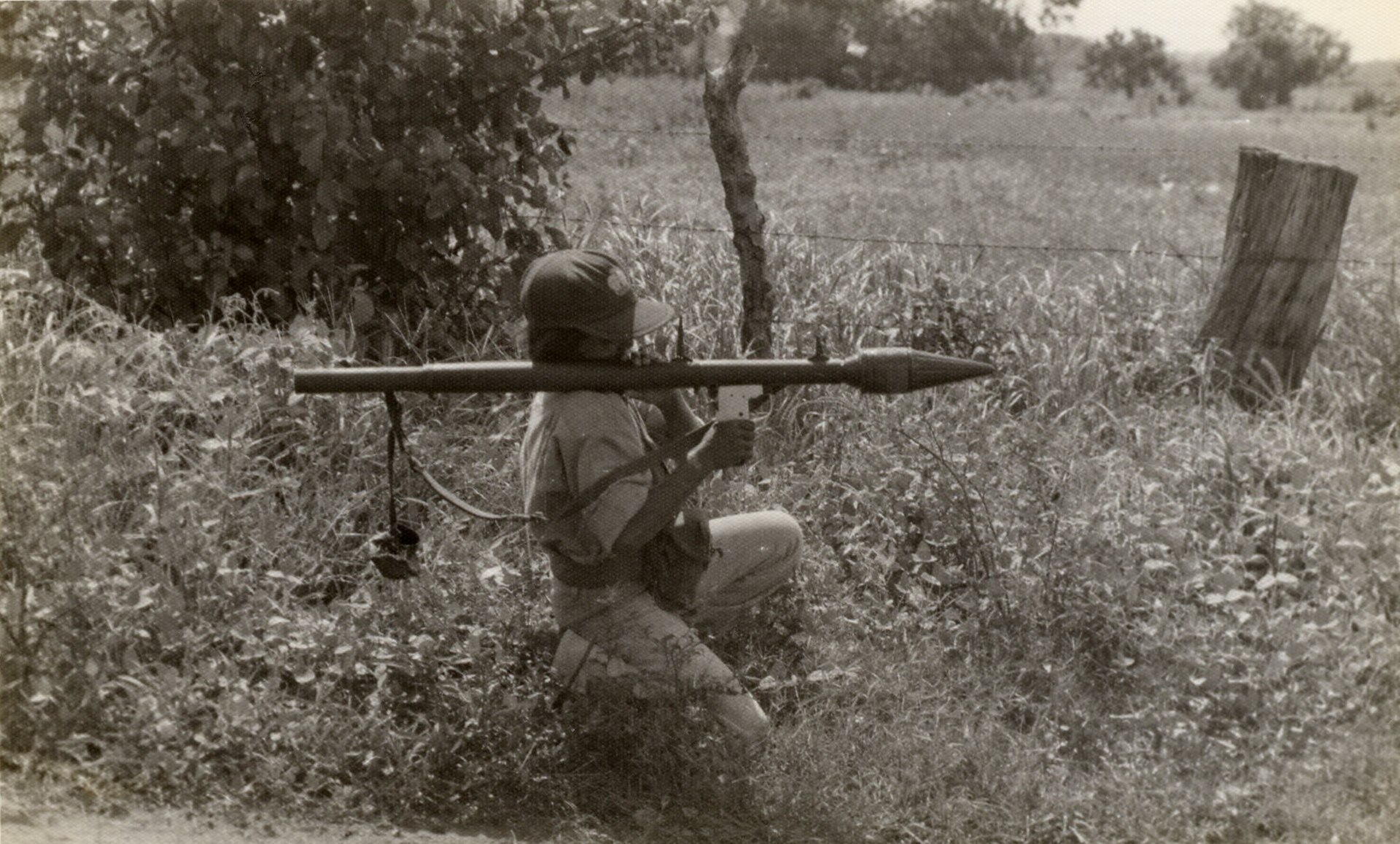
The Sandinistas Overthrow the Somoza Dynasty
Guerrillas entered Managua after the last of a family that had ruled Nicaragua for 43 years fled the country.
On July 19, 1979, fighters of the Sandinista National Liberation Front (FSLN) entered Managua, completing the collapse of a dynastic dictatorship that had controlled Nicaragua since 1937. Anastasio Somoza Debayle had resigned two days earlier and departed into exile in Miami, leaving behind a nation exhausted by conflict. The family rule established by his father, Anastasio Somoza Garcia, had maintained its grip through political patronage, extensive property holdings, and the loyal violence of the United States-trained National Guard. After decades of smoldering resistance, popular insurrections in cities across the country finally made the regime untenable.
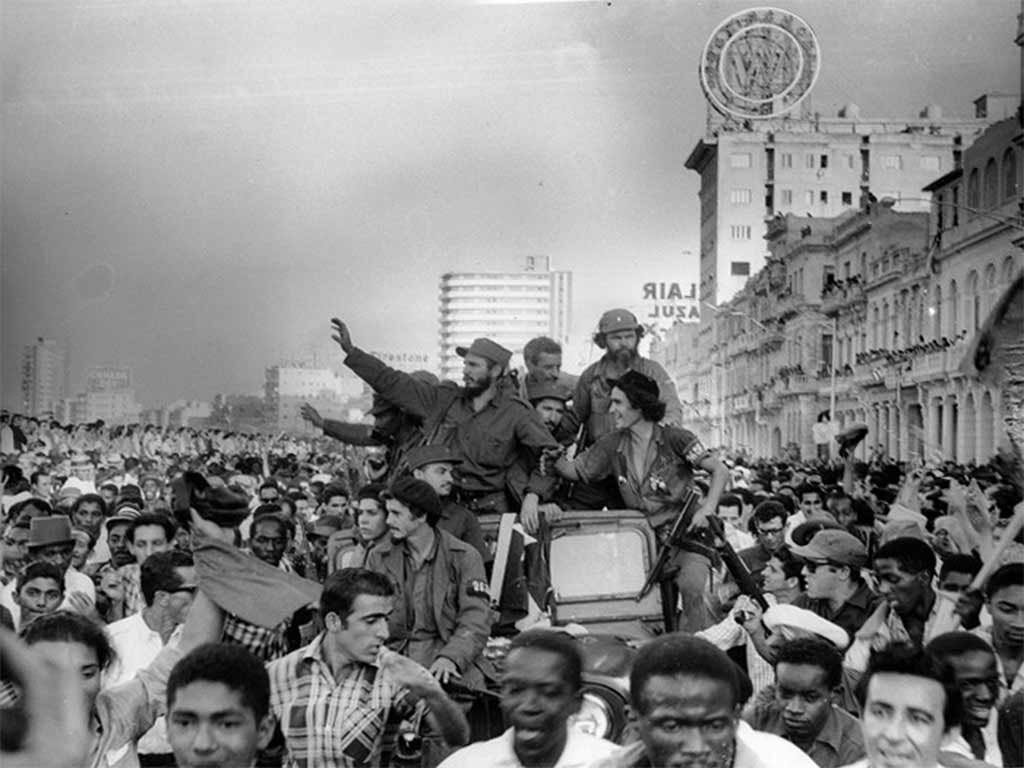
The FSLN was formally organized in 1961 by student activists including Carlos Fonseca Amador, Silvio Mayorga, and Tomas Borge Martinez. Initially consisting of around twenty members, the group adopted guerrilla methods inspired by Fidel Castro and Che Guevara. Early rural incursions suffered devastating setbacks, and Mayorga was killed near Matagalpa while Fonseca fell in combat in 1976. Despite severe losses and internal ideological divisions, the Sandinistas slowly widened their base among students, peasants, and civic groups, bolstered by arms, intelligence, and logistical support from Cuba.

Keep reading in Yester
Coming soonKeep following the story
Sources
- Nicaragua: The Somoza Era, 1936-74 (Library of Congress Country Study, mirror)
- Nicaragua: The End of the Anastasio Somoza Debayle Era (Library of Congress Country Study, mirror)
- Nicaragua: The Sandinista Revolution (Library of Congress Country Study, mirror)
- Nicaragua: Sandinista government (Library of Congress Country Study, mirror)
- Central America, 1981-1993 (US Office of the Historian)
- Historical Context (Dartmouth College)
- Nicaraguan Revolution
Image: Dora María Téllez · Public domain · Wikimedia Commons · cropped
