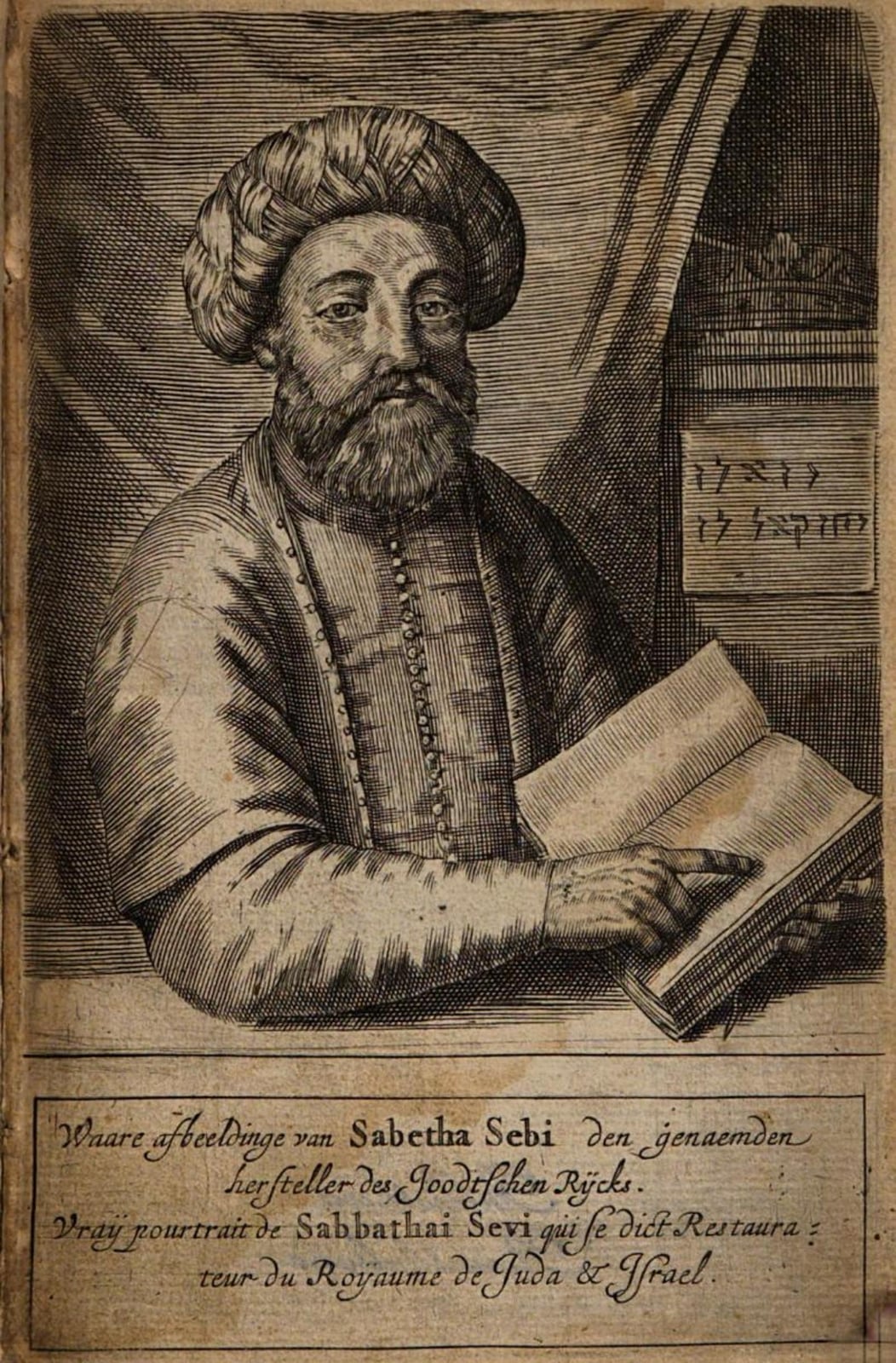
The Messiah Hailed Across the Jewish World Converts to Islam
Sabbatai Zevi had stirred hope from Yemen to Amsterdam, then put on a turban before the sultan to save his life.
On September 16, 1666, the self-proclaimed messiah Sabbatai Zevi appeared before the Ottoman imperial court at Adrianople. Accused of fomenting sedition across the empire, he faced severe options from the authorities: submit to a test of divine protection under fire from archers, face execution, or embrace Islam. Zevi cast off his traditional attire, donned an Islamic turban, and took the Muslim faith. The Ottoman sultan, Mehmed IV, spared him, conferred on him the title of effendi, and granted him an imperial post as doorkeeper accompanied by a state pension. Within moments, the figure who had commanded the fervent devotion of Jewish communities across continents surrendered his messianic role to preserve his life.
Born in Smyrna in 1626, the son of a merchant named Mordecai, Zevi had immersed himself in the study of the Talmud and Lurianic Kabbalah. Drawn to mystical asceticism, he began revealing claims to being the long-awaited redeemer as early as 1648, openly pronouncing the forbidden Tetragrammaton to signify his status. Local rabbinical authorities grew alarmed by his bold pretensions, which eventually prompted his excommunication and banishment from Smyrna. Zevi wandered through Salonica, Cairo, and Jerusalem, winning financial backing from wealthy patrons like the Egyptian mint-master Raphael Joseph Halabi and marrying an eccentric orphan named Sarah, an alliance his followers interpreted as fulfillment of biblical prophecy.

Keep reading in Yester
Coming soonKeep following the story
Sources
Image: Unknown author · Public domain · Wikimedia Commons · cropped
