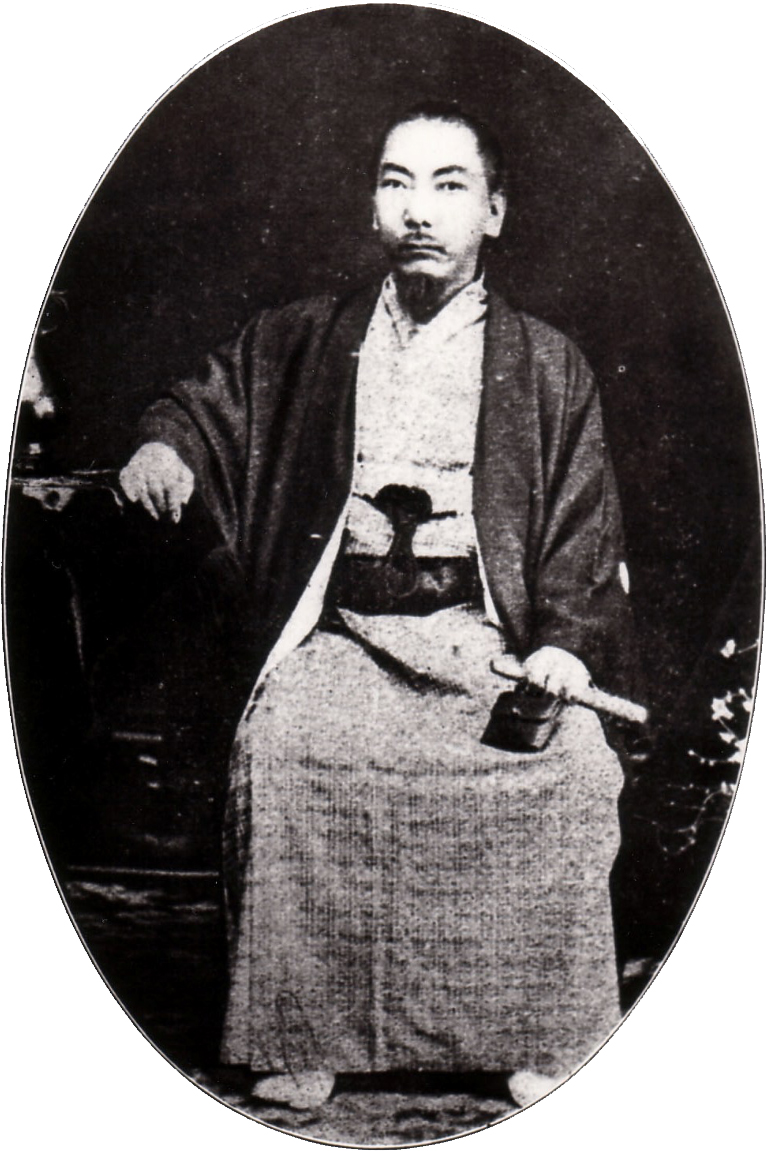
Japan Annexes the Ryukyu Kingdom as Okinawa
Japanese officials and troops arrived at Shuri Castle, deposed the last Ryukyu king and turned his island kingdom into Okinawa Prefecture.
On March 27, 1879, Japanese disposition officer Matsuda Michiyuki formally delivered an order to Ryukyuan court officials at Shuri Castle announcing that the Ryukyu Domain was abolished and ordering King Sho Tai to leave the castle. Backed by about 160 police officers and a half battalion of soldiers from the Kumamoto garrison (some accounts count about 600 armed men in all), the Japanese delegation met no armed resistance. King Sho Tai left the castle within days (accounts differ on the exact date), and Japanese authorities took it over, completing the establishment of Okinawa Prefecture and ending centuries of separate royal governance in the islands.
For more than two hundred and fifty years, the Ryukyu Kingdom had occupied an unusual, dual status in East Asian diplomacy. Following an invasion in 1609 by the Satsuma Domain, the kingdom was integrated as a subordinate vassal within the Tokugawa political order while simultaneously retaining its long-standing tributary ties with imperial China. This relationship allowed the Ryukyuan court to welcome envoys from both realms and negotiate trade agreements with foreign powers such as the United States, France, and the Netherlands. Following the collapse of the Tokugawa shogunate and the onset of the Meiji period, Japanese leaders sought to consolidate national borders under a uniform, centralized administrative system.

Keep reading in Yester
Coming soonKeep following the story
Sources
- Ryukyu Disposition account, Hearsay Accounts of Japan, China and Ryukyu (University of the Ryukyus Library, Sakamaki collection)
- Ryukyuan Affair (University of the Ryukyus Library, Sakamaki collection)
- Ryukyu Shimpo coverage of the Ryukyu Disposition (Ryukyu Shimpo)
- Okinawa history pages (University of Hawai'i at Manoa)
- Ryukyu Disposition
Image: Unknown author · Public domain · Wikimedia Commons · cropped
