Byzantine Troops Retake Constantinople
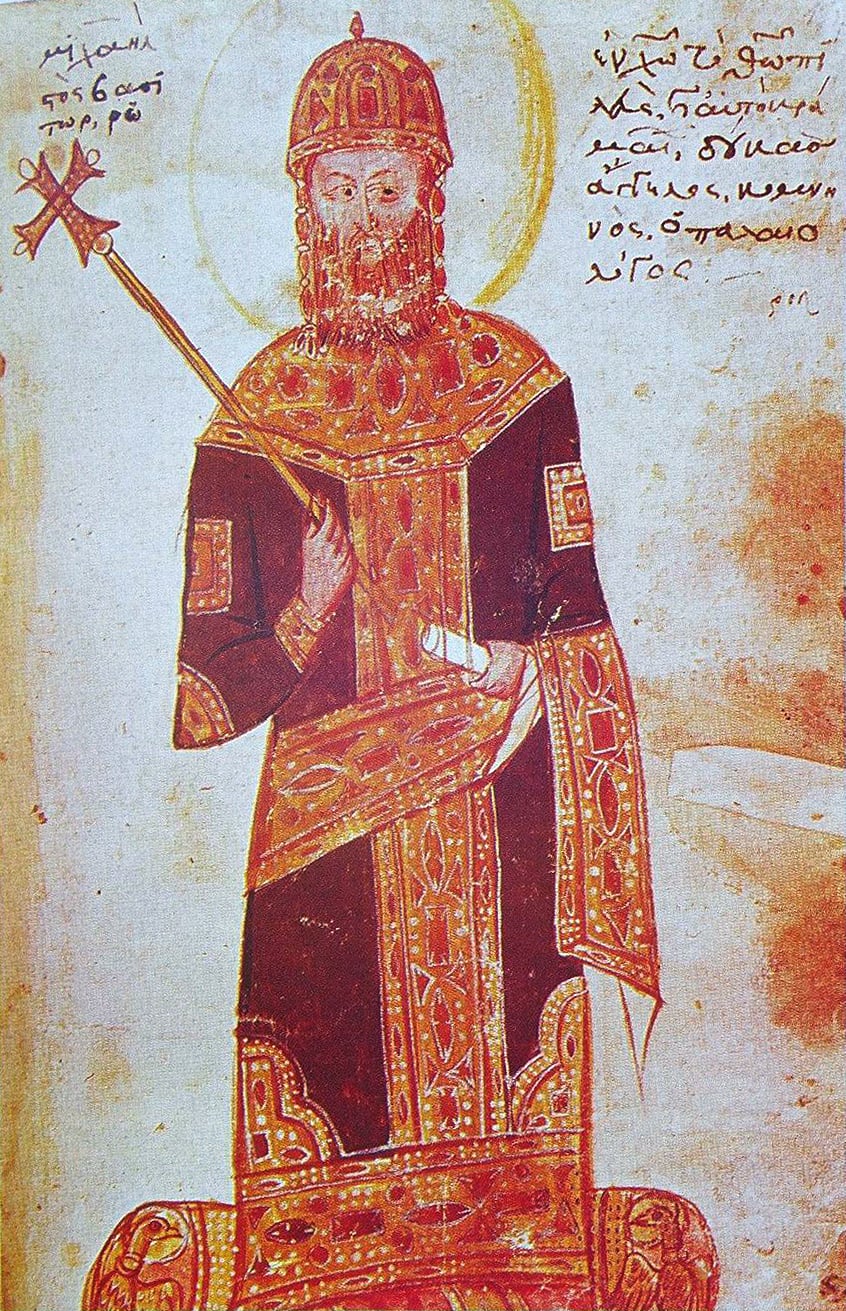
A small Nicaean force slipped into the Latin-held capital, and Michael VIII Palaiologos entered weeks later, restoring Byzantine rule for two more centuries.
In the summer of 1261, the Empire of Nicaea stood poised to reclaim the historic imperial seat on the Bosporus. For fifty-seven years, Constantinople had been ruled by a Western crusader dynasty known as the Latin Empire, established after the sack of Constantinople in 1204 during the Fourth Crusade. That catastrophic event had fragmented the Byzantine world into rival successor states, among which Nicaea in northwestern Asia Minor emerged as the strongest claimant. By 1259, after securing a decisive victory at the Battle of Pelagonia against a coalition of Western and regional adversaries, the Nicaean ruler Michael VIII Palaiologos was free to focus his primary efforts on recovering the ancient capital.
The realm ruled by the Latin emperor Baldwin II had by then shrunk to little more than the walled perimeter of Constantinople and its immediate outskirts. Cut off from Western-held territories across mainland Greece, the crusader state survived in a precarious condition, reliant on naval backing from Venice. Michael Palaiologos had probed the defenses in 1260 after an imprisoned Latin knight promised to open an internal gate, but the plan collapsed, forcing the emperor into an unsuccessful assault on Galata. Following that setback, Michael negotiated a one-year truce and bolstered his diplomatic position in March 1261 by forming an alliance with Genoa, the foremost maritime rival of Venice.

Keep reading in Yester
Coming soonKeep following the story
Sources
Image: Unknown Byzantine illuminator. · Public domain · Wikimedia Commons · cropped
