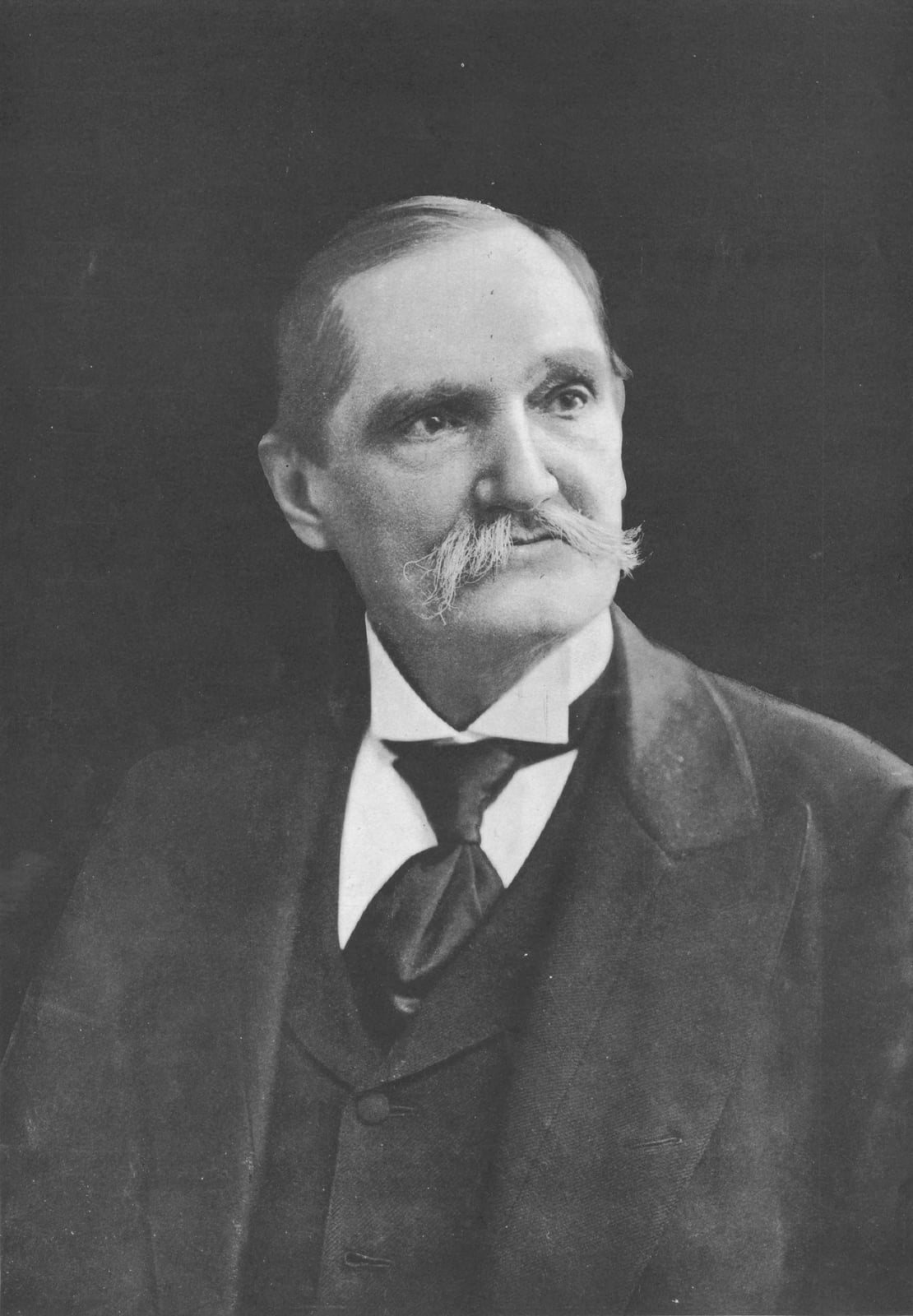
Cuba Becomes a Republic Under the Platt Amendment
U.S. troops left and Cuba became a republic, but a clause in its constitution let the United States intervene.
On May 20, 1902, Cuba formally inaugurated its republic in Havana as Tomás Estrada Palma assumed the presidency and United States occupation troops prepared to depart. This transition ended the direct military administration that Washington had established following the Spanish-American War in 1899. However, the newly formed state had already seen its sovereignty sharply constrained. The end of direct military rule was conditioned upon Cuba incorporating eight binding stipulations into its supreme law, drawn directly from United States legislation enacted the previous year.
Known as the Platt Amendment, this measure was attached as a rider to the Army Appropriations Act of 1901. It sought to balance Cuban self-governance with ongoing American supervision. It was named for Senator Orville H. Platt, who presented it to Congress, but it is usually credited to Secretary of War Elihu Root. The Senate debated it on February 25 and 26, 1901, and passed it by a vote of 43 to 20, requiring Cuba to accept its terms before American troops would withdraw.

Keep reading in Yester
Coming soonKeep following the story
Sources
- Chronology of U.S.-Cuba Relations (Florida International University, Institute for Cuban and Cuban American Studies)
- The Platt Amendment, Today in History June 12 (Connecticut History)
- 113 years since the Platt Amendment and the betrayal of Estrada Palma (Granma)
- Third U.S. intervention in Cuba (Forum on Cuba)
- Platt Amendment
Image: Unknown photographer · Public domain · Wikimedia Commons · cropped
