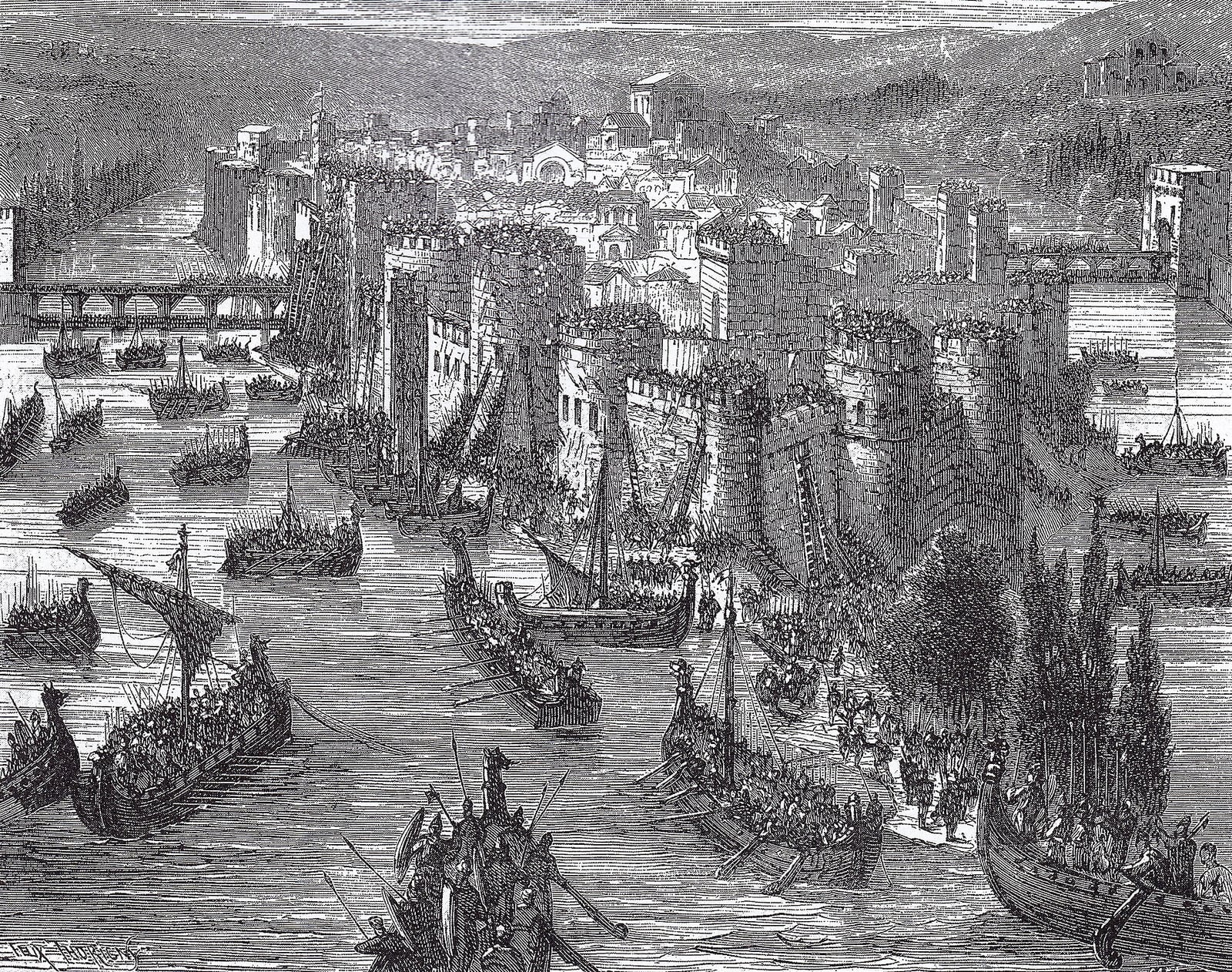
Viking Ships Sail Up the Seine and Plunder Paris
A Viking fleet rowed up the Seine, occupied Paris at Easter, and left only after the Frankish king Charles the Bald paid 7,000 livres of silver and gold, according to the chronicles.
In March 845, a fleet of 120 Viking ships, a figure given by the Annals of Saint-Bertin, carrying, by some modern estimates, more than 5,000 warriors, entered the mouth of the Seine and moved inland toward the heart of West Francia. The force was led by a Norse chieftain named Reginherus, or Ragnar, whom historians have tentatively connected with the legendary saga figure Ragnar Lodbrok. As the flotilla advanced along the river corridor, it plundered settlements along the banks, posing a direct military challenge to the authority of King Charles the Bald.
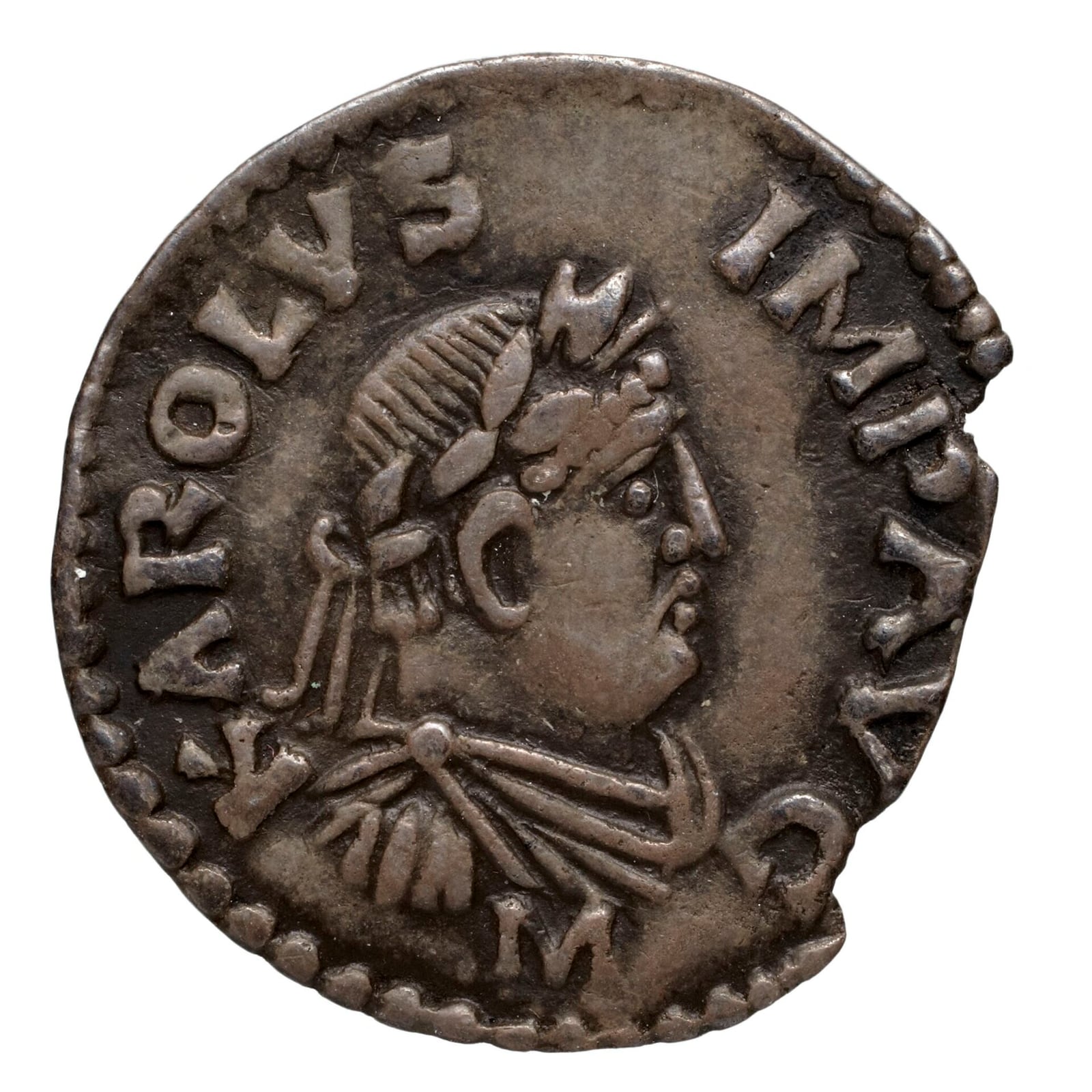
Decades earlier, the Frankish ruler Charlemagne had organized coastal defenses after northern raiders began probing the empire at the close of the eighth century. Those early protective networks initially repulsed a minor incursion on the Seine in 820. However, political fractures among the Carolingian ruling elite during the 830s and 840s created vulnerable openings. Scandinavian raiders took advantage of these divisions to mount increasingly ambitious assaults against trading centers such as Antwerp, Noirmoutier, and Nantes.

Keep reading in Yester
Coming soonKeep following the story


Sources
- Viking raids on Paris (World History Encyclopedia, French edition)
- Viking Raids on Paris (World History Encyclopedia)
- Siege of Paris 845 (ARTOUR guide, citing Annales Bertiniani)
- The Viking Siege of Paris, 845 (The Warrior Lodge)
- Change in Northern Winds: A Modern Review of the Viking Siege of Paris 845 (Medievalists.net)
- Siege of Paris (845)
Image: Unknown author · Public domain · Wikimedia Commons · cropped
