Pac-Man Arrives in Japanese Arcades
Namco’s maze game, designed to appeal beyond the shooting games of the time, became one of the most famous arcade games ever made.
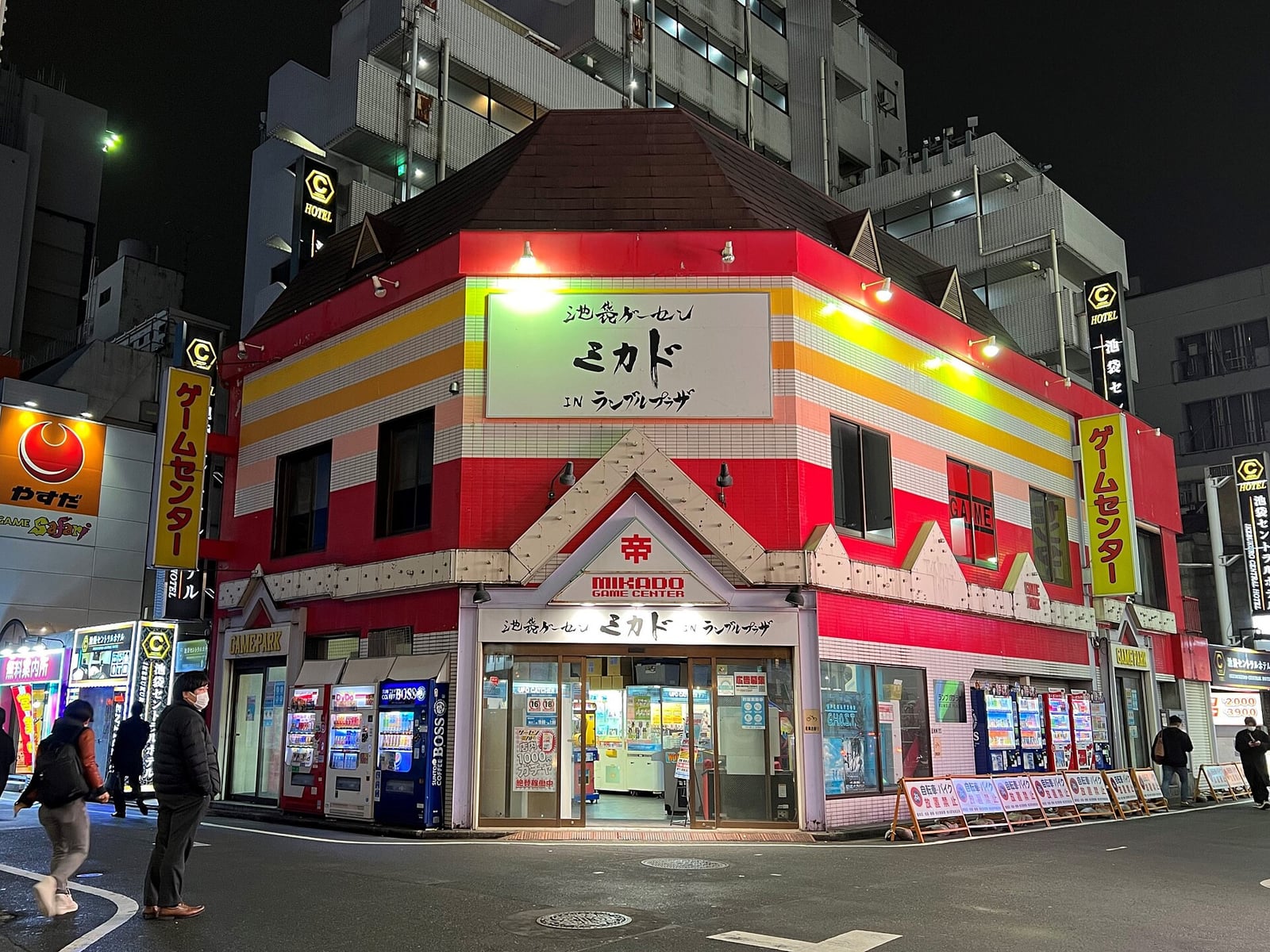
On May 22, 1980, the Japanese entertainment firm Namco placed a new maze game into location testing in the Shibuya district of Tokyo. Titled Puck Man, the coin-operated cabinet departed sharply from the space combat games that had flooded game centers since the arrival of Space Invaders. Designer Toru Iwatani, working with a small team including programmer Shigeo Funaki and audio composer Toshio Kai, sought to counter the prevailing atmosphere of arcades. Believing violent shooting titles attracted an exclusively male audience, Iwatani aimed to create a cheerful, accessible game centered on eating that would draw women and couples into public amusement spaces.
Development began in early 1979 and took around a year and a half, an unusually lengthy production schedule for the era. The concept drew from diverse cultural touchstones: the central character's shape combined the image of a pizza missing a slice with a simplified, rounded rendering of the Japanese character for mouth, kuchi. The title stemmed from the phrase paku paku taberu, describing the sound of opening and closing the mouth while eating. To reverse the dynamic of constant vulnerability, Iwatani introduced large flashing energizers, an idea inspired by Popeye gaining strength from spinach, allowing the yellow protagonist to turn upon his pursuers.

Keep reading in Yester
Coming soonKeep following the story
Sources
Image: Asanagi · CC0 · Wikimedia Commons · cropped
