Norway Adopts Its Constitution at Eidsvoll
Elected delegates wrote one of the most liberal constitutions of its day, still in force more than two centuries later.
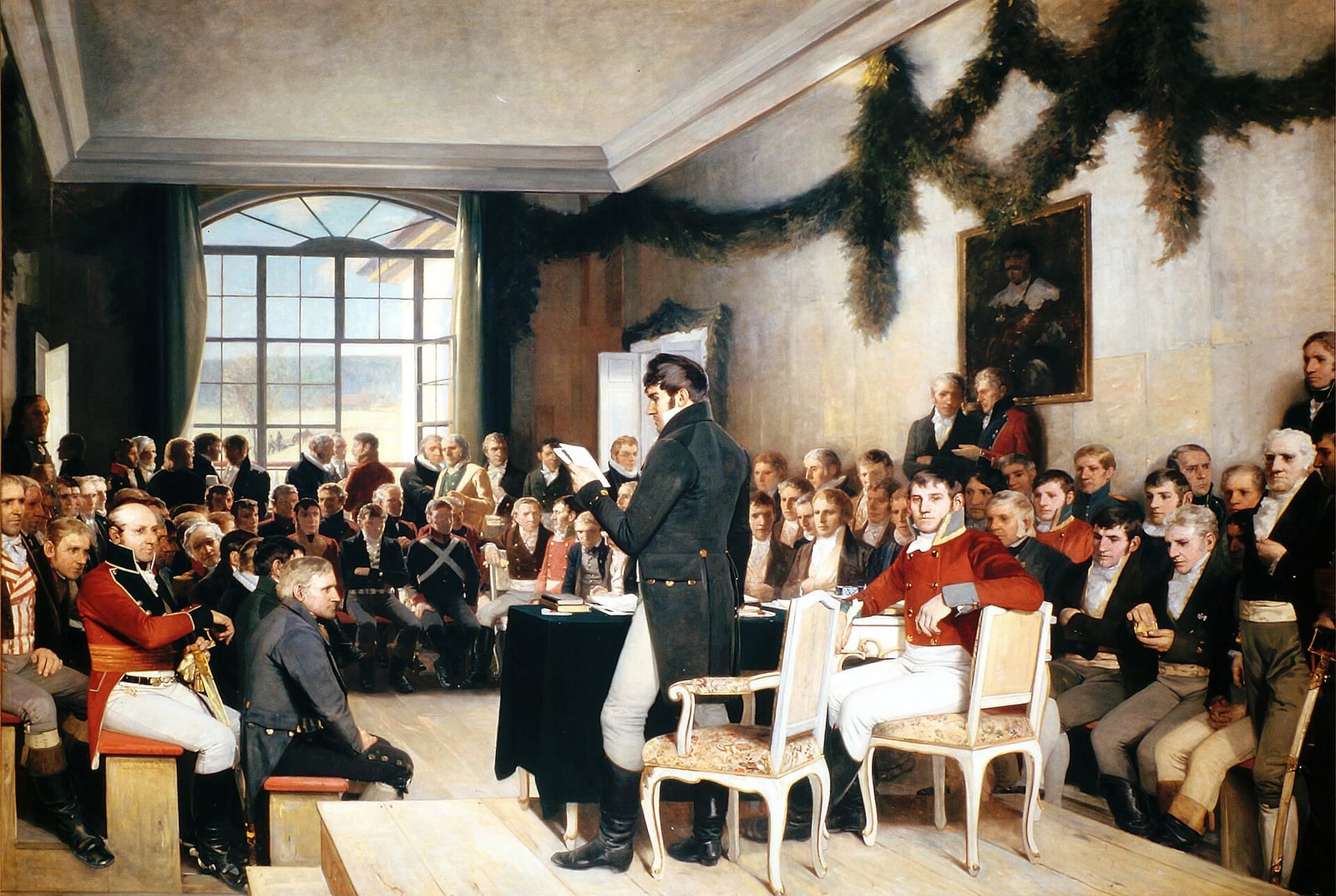
Until 1814, Norway was governed as part of the Kingdom of Denmark-Norway. That arrangement unraveled when Napoleon suffered defeat at the Battle of Leipzig in October 1813, leading to the Treaty of Kiel in January 1814. Under the terms of the treaty, Denmark ceded Norway to the king of Sweden. Refusing to accept foreign rule, Christian Frederik, heir to the Danish throne and viceroy in Norway, launched a Norwegian independence initiative, widely understood as an effort that could eventually reunify the two realms. He summoned a national constituent assembly to Eidsvoll Manor, bringing together delegates elected across Norway by military units and state church congregations.
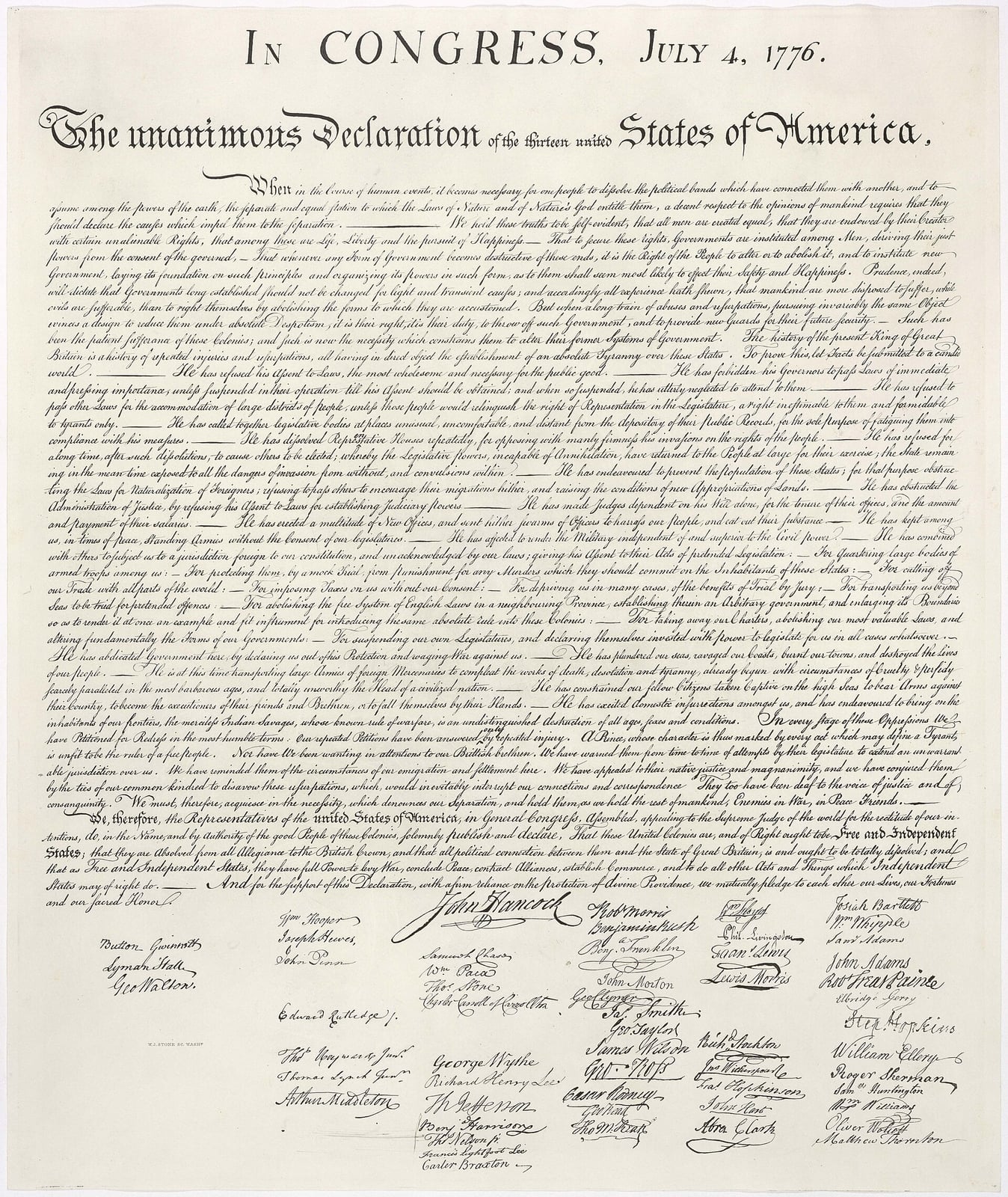
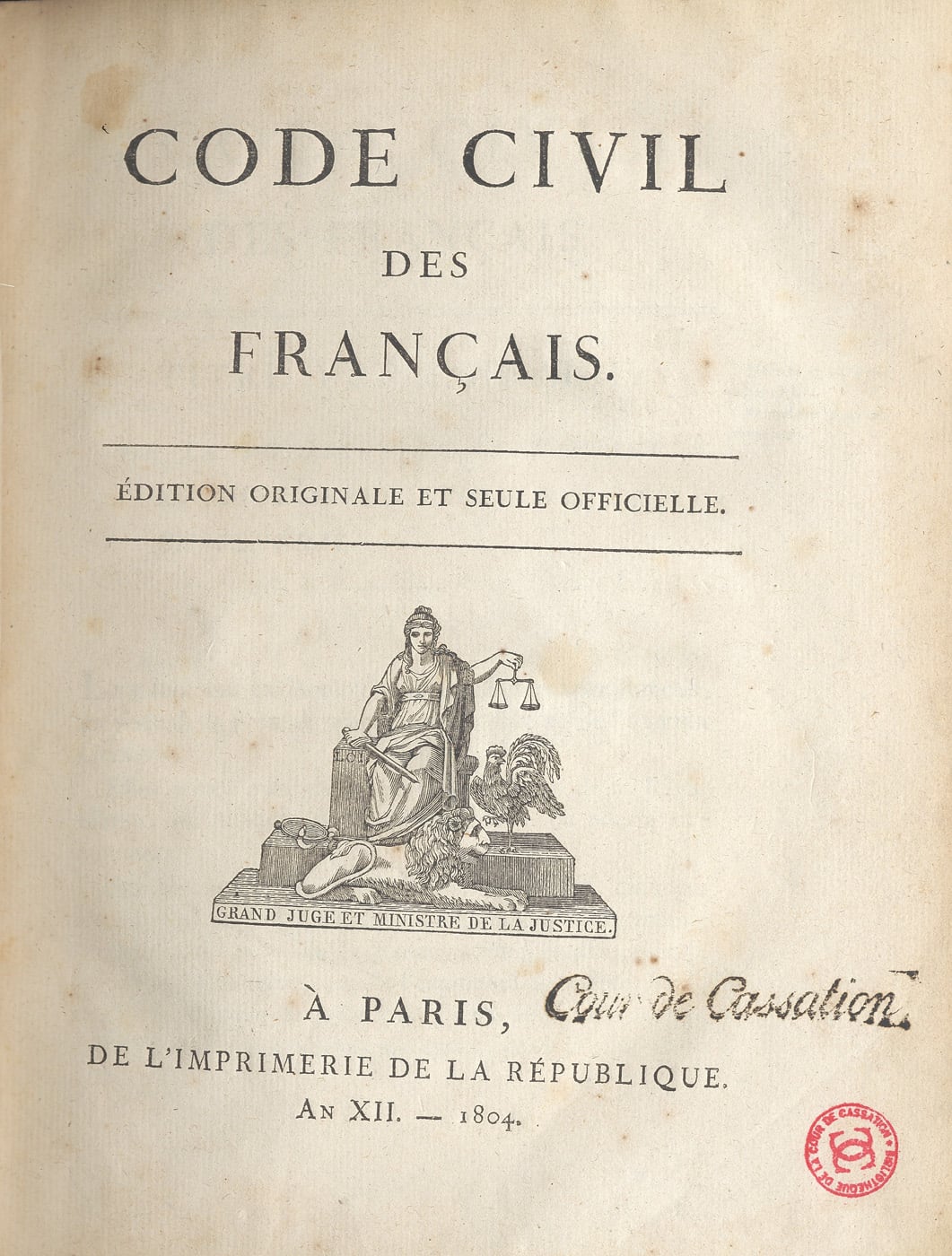
The assembly convened on April 10, 1814, and spent five weeks drafting a national charter. The legal secretary Christian Adolph Diriks shaped foreign legal concepts into specific articles, including guarantees of free speech and protections against unreasonable searches and seizures, while authors Christian Magnus Falsen and Johan Gunder Adler framed the broader text. Their work drew on the ideas of the American and French revolutions, including the United States Declaration of Independence, the US Constitution of 1787 and the French constitution of 1791, as well as Sweden's 1809 constitution and Spain's 1812 constitution.

Keep reading in Yester
Coming soonKeep following the story
Sources
Image: Oscar Wergeland · Public domain · Wikimedia Commons · cropped
