Solomana Kanté Invents the N’Ko Script
An alphabet created for Manding languages spread across West Africa.
In 1949, the Guinean writer and educator Solomana Kanté finalized an original writing system designed specifically for the Manding languages of West Africa. For centuries, regional communities had frequently employed Arabic characters adapted as the Ajami script. However, standard Ajami conventions did not readily capture the distinct tonal contours and vocalic patterns fundamental to Manding speech. Motivated to challenge assertions that African languages lacked indigenous writing systems and could not be adequately transcribed, Kanté devised the alphabet while residing in Bingerville, Cote d'Ivoire, before introducing it to his hometown of Kankan, Guinea.
Kanté named the script N'Ko, a phrase meaning "I say" across Manding varieties. Tradition among proponents holds that the system reached completion on April 14, 1949, an occasion commemorated by learners as N'Ko Alphabet Day. To establish the system, Kanté transcribed a wide array of religious, scientific, and philosophical treatises, composed educational textbooks, and compiled a dictionary. Distributing these volumes as gifts throughout Manding-speaking areas, he sparked a grassroots literacy movement that began crossing both colonial and national borders.

Keep reading in Yester
Coming soonKeep following the story
Sources
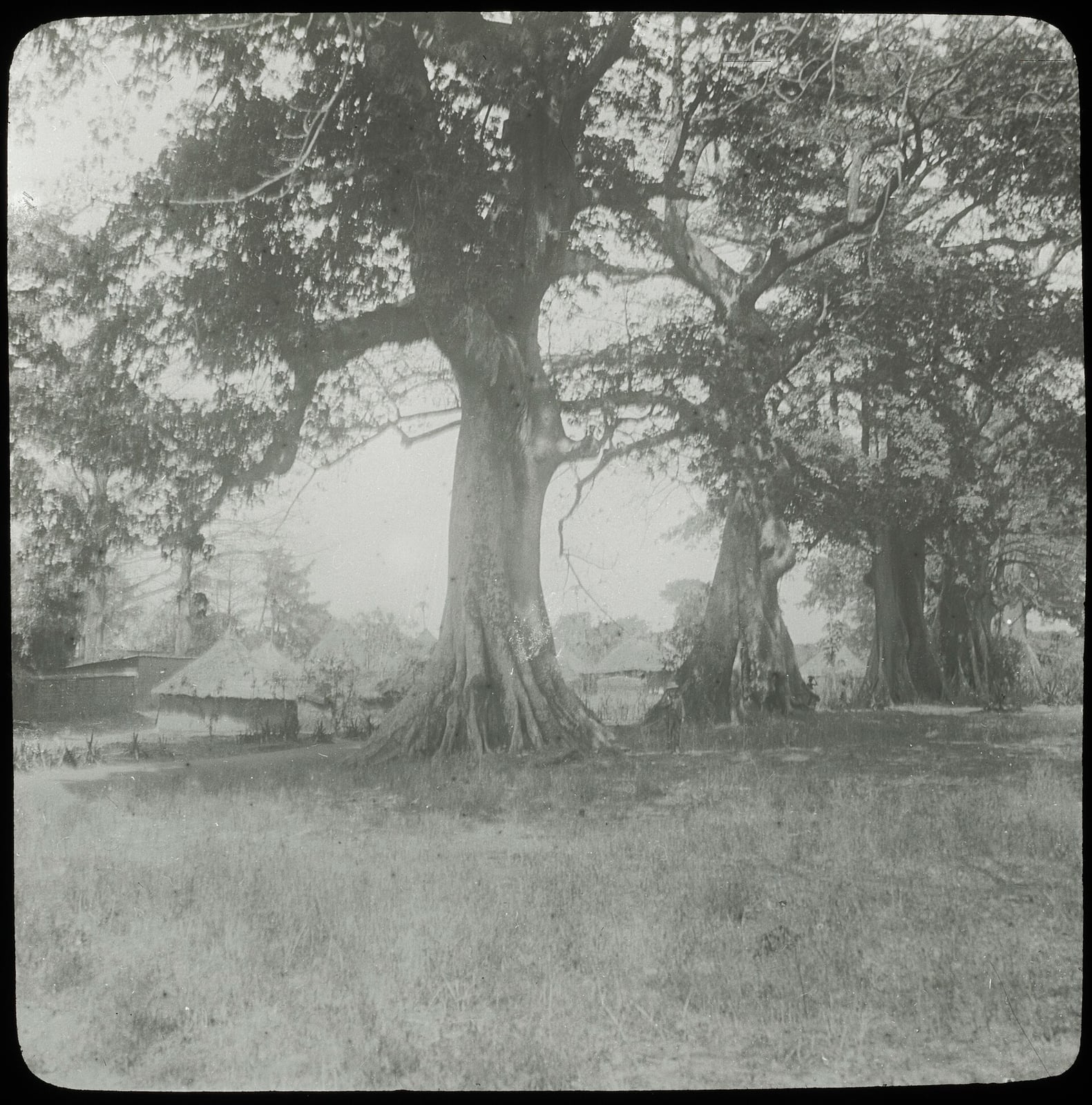
Image: Unknown author · Public domain · Wikimedia Commons · cropped
