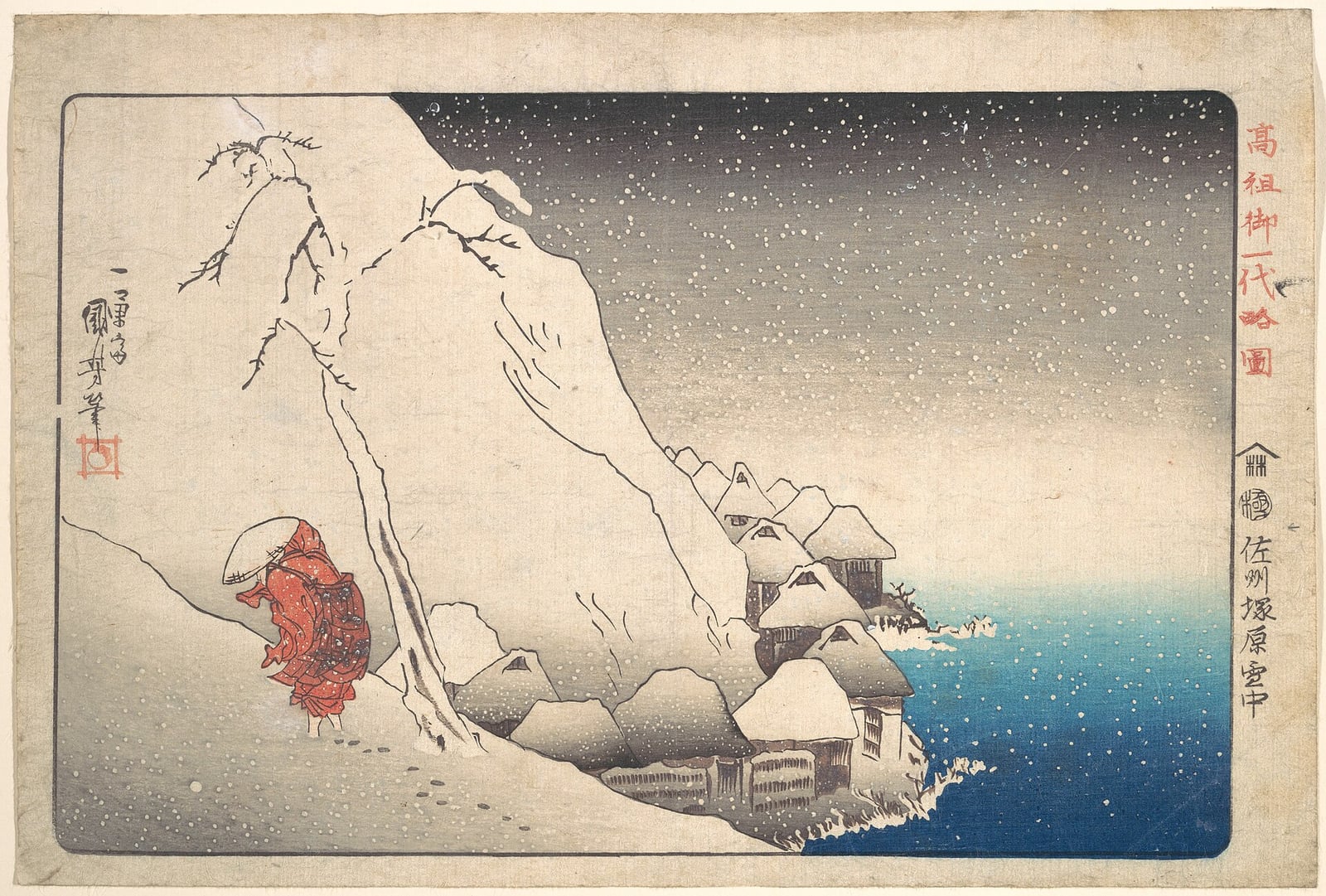
Nichiren Proclaims Devotion to the Lotus Sutra
A Japanese monk began chanting the title of a single sutra and founded a movement that still has millions of followers.
On 28 April 1253, a thirty-one-year-old monk stood at the mountain temple of Seicho-ji in Awa Province to proclaim a revolutionary shift in Buddhist devotion. Formerly called Rencho, he had spent two decades investigating the primary religious traditions of Kamakura Japan. Convinced that the Lotus Sutra alone held the ultimate truth of Buddhism, he publicly recited the formula Namu Myoho Renge Kyo and adopted the name Nichiren. His address attacked the popular Pure Land teachings established by Honen, provoking outrage from local authorities and forcing the monk to abandon the monastery.
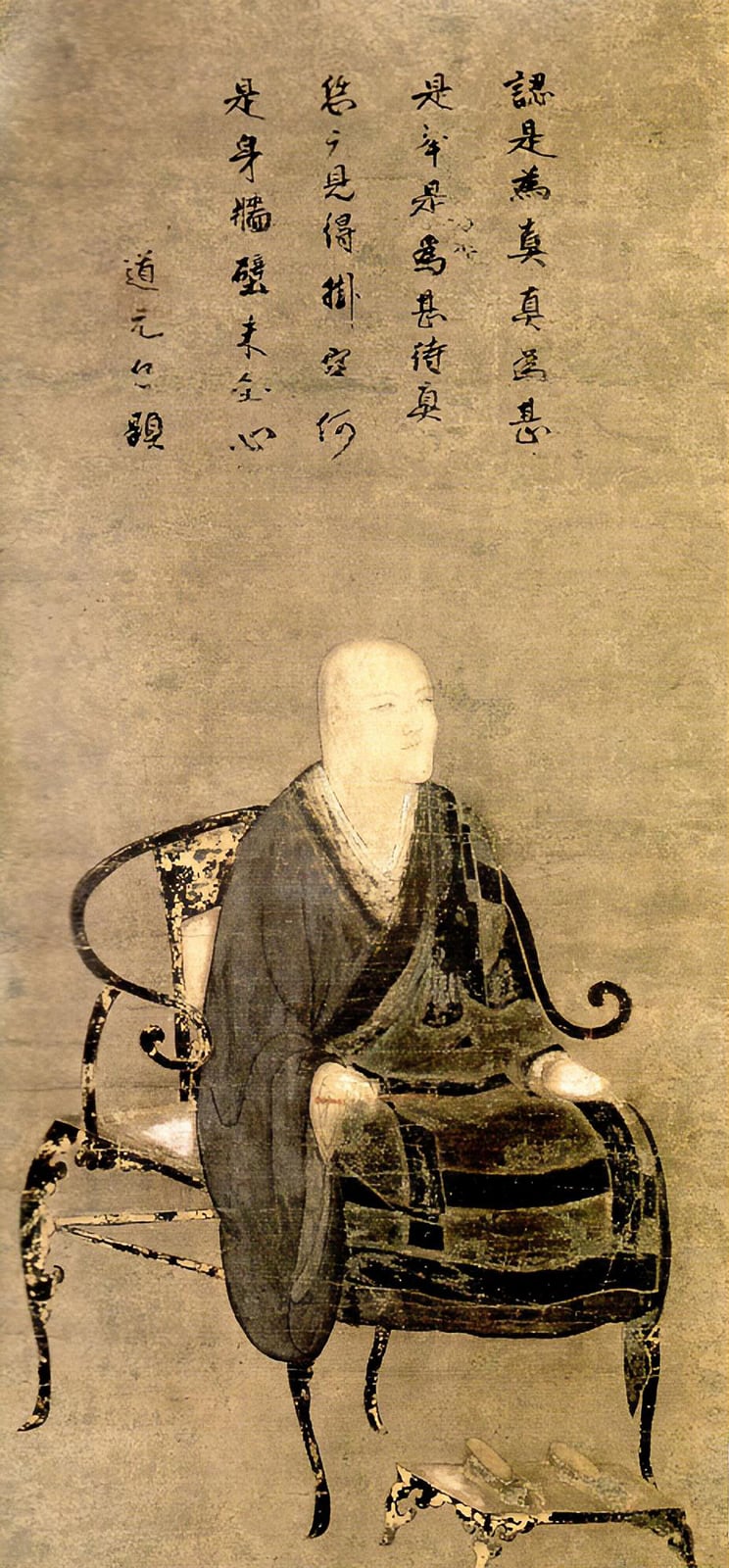
Unlike contemporaries such as Dogen, who emerged from elite aristocratic circles near Kyoto, Nichiren was born in a fishing village on the Pacific coast and described himself as a son of outcastes. After leaving Seicho-ji, he settled in a small dwelling in the shogunate capital of Kamakura. There he drew a committed following from the middle and lower ranks of the warrior class. Nichiren argued that chanting the title of the Lotus Sutra offered an immediate path to Buddhahood during the Age of Dharma Decline, presenting an accessible practice that did not depend on elite status, formal scholarship, or gender.

Keep reading in Yester
Coming soonKeep following the story
Sources
Image: Utagawa Kuniyoshi · CC0 · Wikimedia Commons · cropped
