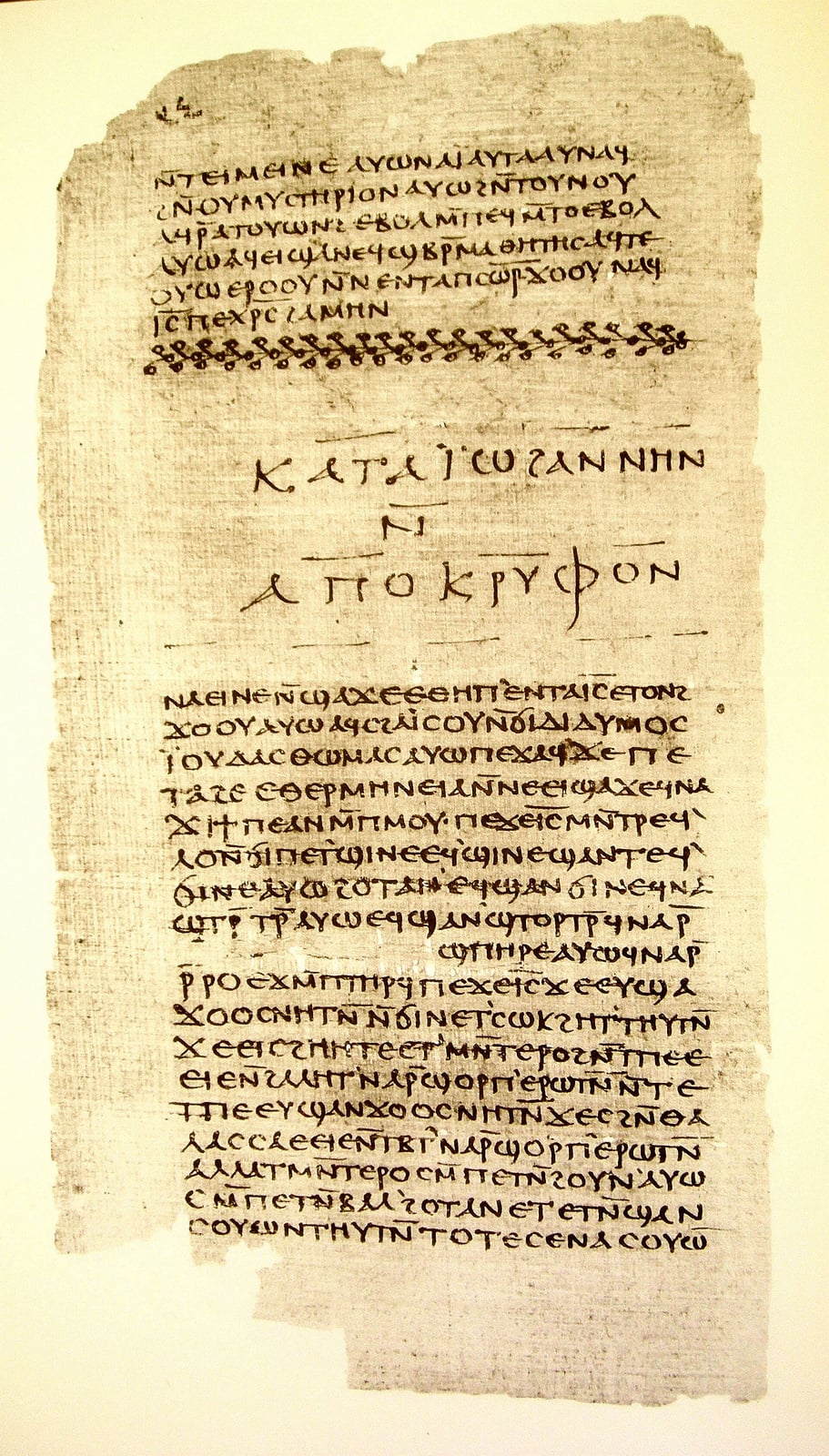
Farmers Dig Up a Jar of Lost Gospels Near Nag Hammadi
Thirteen leather-bound codices revealed Gnostic Christian texts, including the Gospel of Thomas, unseen for 1,600 years.
In late 1945, a collection of ancient papyrus codices came to light near the town of Nag Hammadi in Upper Egypt. The find occurred when an Egyptian villager named Muhammad Ali al-Samman and several companions uncovered a sealed earthenware jar buried in the desert near Sixth Dynasty tombs. Inside were twelve leather-bound volumes along with leaves from a thirteenth book, containing fifty-two separate treatises. Most of the surviving works were written in the Coptic language, representing an extensive record of early alternative religious movements that flourished alongside developing Christian orthodoxy.
Academic awareness of the materials emerged slowly after the initial encounter. Inquiries conducted between 1947 and 1950 by the French scholar Jean Doresse indicated that the books were unearthed from an ancient burial ground. Decades later, scholar James M. Robinson tracked down al-Samman, who recounted a dramatic story involving a local blood feud, digging for fertile soil, and fears of supernatural spirits guarding the cache. Robinson noted varied versions of the encounter, while other researchers later suggested that the manuscripts may have simply been taken from a grave. Modern hypotheses vary between intentional concealment by monks during fourth-century theological crackdowns and a private burial where the luxurious codices served as prestigious grave goods.

Keep reading in Yester
Coming soonKeep following the story
Sources
Image: Unknown author · Public domain · Wikimedia Commons · cropped
