Mutis Leads a Botanical Expedition Across New Granada
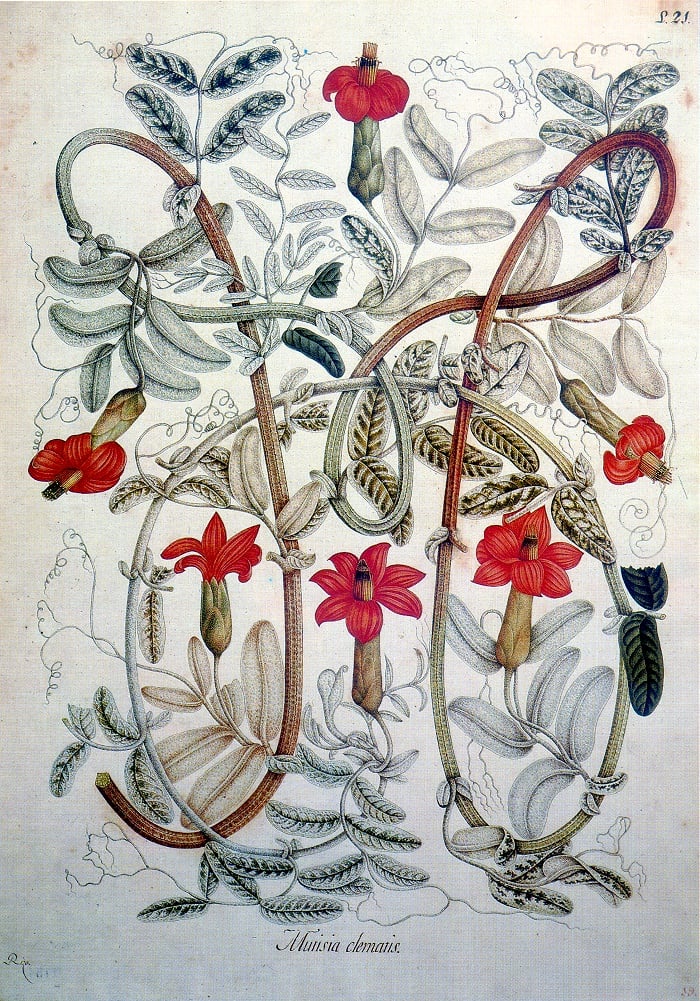
José Celestino Mutis directed artists and naturalists who painted thousands of plants of the northern Andes.
In April 1783, the Royal Botanical Expedition to New Granada began its work under the leadership of Jose Celestino Mutis, with sources giving April 1 or April 29 as the start and royal confirmation following in November 1783. Mutis was a Spanish priest, botanist, and mathematician. Mutis had previously petitioned the Spanish Crown in 1763 and 1764 to sponsor a comprehensive survey of northern South American flora, but both proposals had been ignored. Mutis secured the patronage of Archbishop and Viceroy Antonio Caballero y Gongora, who successfully submitted a third proposal to King Charles III. The Crown appointed Mutis as the expedition's chief botanist and astronomer, sanctioning an extensive enterprise that would survey the territories of New Granada for more than three decades.
The expedition's initial team included botanists Eloy Valenzuela and Fray Diego Garcia, alongside geographers, collectors, assistants, and several painters, such as Pablo Antonio Garcia del Campo and Francisco Javier Matis. Mutis had maintained regular correspondence with European naturalists, including Carl Linnaeus, and the formal launch generated keen interest across European scientific circles. In 1784, Mutis became a member of the Royal Swedish Academy of Sciences, as overseas scholars awaited detailed accounts of American plant species. Before this work, Mutis had already studied the medicinal uses of regional plants and had tried to promote the so-called Bogota tea.

Keep reading in Yester
Coming soonKeep following the story
Sources
Image: Salvador Rizo (1762-1816) · Public domain · Wikimedia Commons · cropped
