Robert Mugabe Resigns After 37 Years in Power
An army takeover and an impeachment threat ended the rule of the only leader Zimbabwe had known.
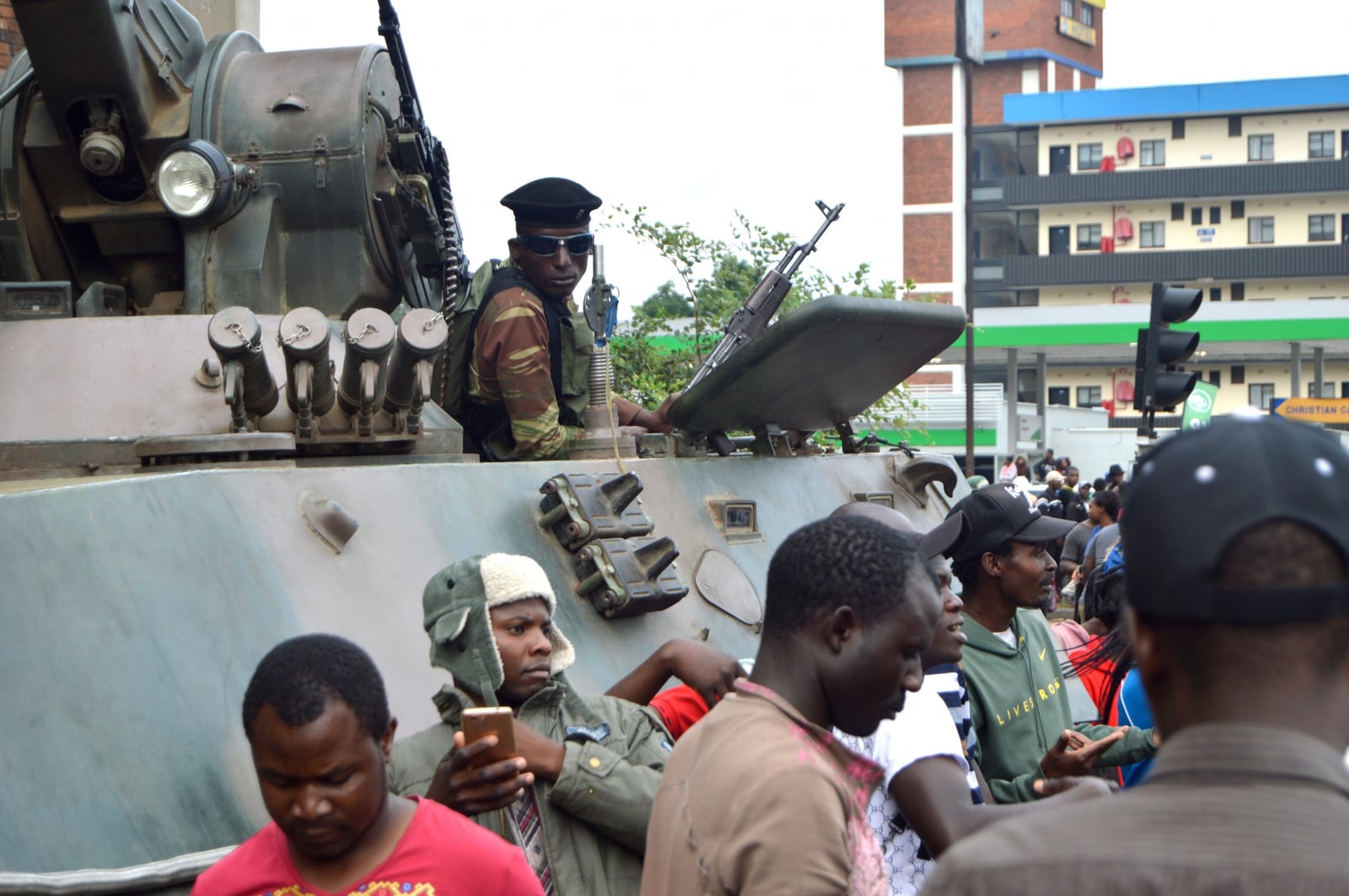
On the evening of 14 November 2017, armored vehicles belonging to the Zimbabwe Defence Forces moved into Harare, positioning themselves around strategic points and occupying the studios of the state broadcaster. By the following morning, Major General Sibusiso Moyo appeared on television to announce that the military had initiated an operation to target criminals surrounding ninety-three-year-old president Robert Mugabe. Moyo insisted the action was not a coup d'état and emphasized that the president and his family remained secure, even as Mugabe was placed under house arrest at his private residence.
The intervention followed months of bitter internal feuding within the ruling ZANU-PF over who would succeed Mugabe. Friction centered on two factions: one backing Vice-President Emmerson Mnangagwa, an independence war veteran with strong military ties, and another called Generation 40, aligned with First Lady Grace Mugabe. Tensions erupted publicly when Mugabe dismissed Mnangagwa on 6 November, prompting the former vice-president to flee to Mozambique and South Africa. The dismissal appeared to clear Grace Mugabe's path to power, but it alienated senior military commanders who insisted that national leadership must remain with veterans of the liberation struggle.

Keep reading in Yester
Coming soonKeep following the story
Sources
Image: Public Domain Pictures · CC0 · Wikimedia Commons · cropped
