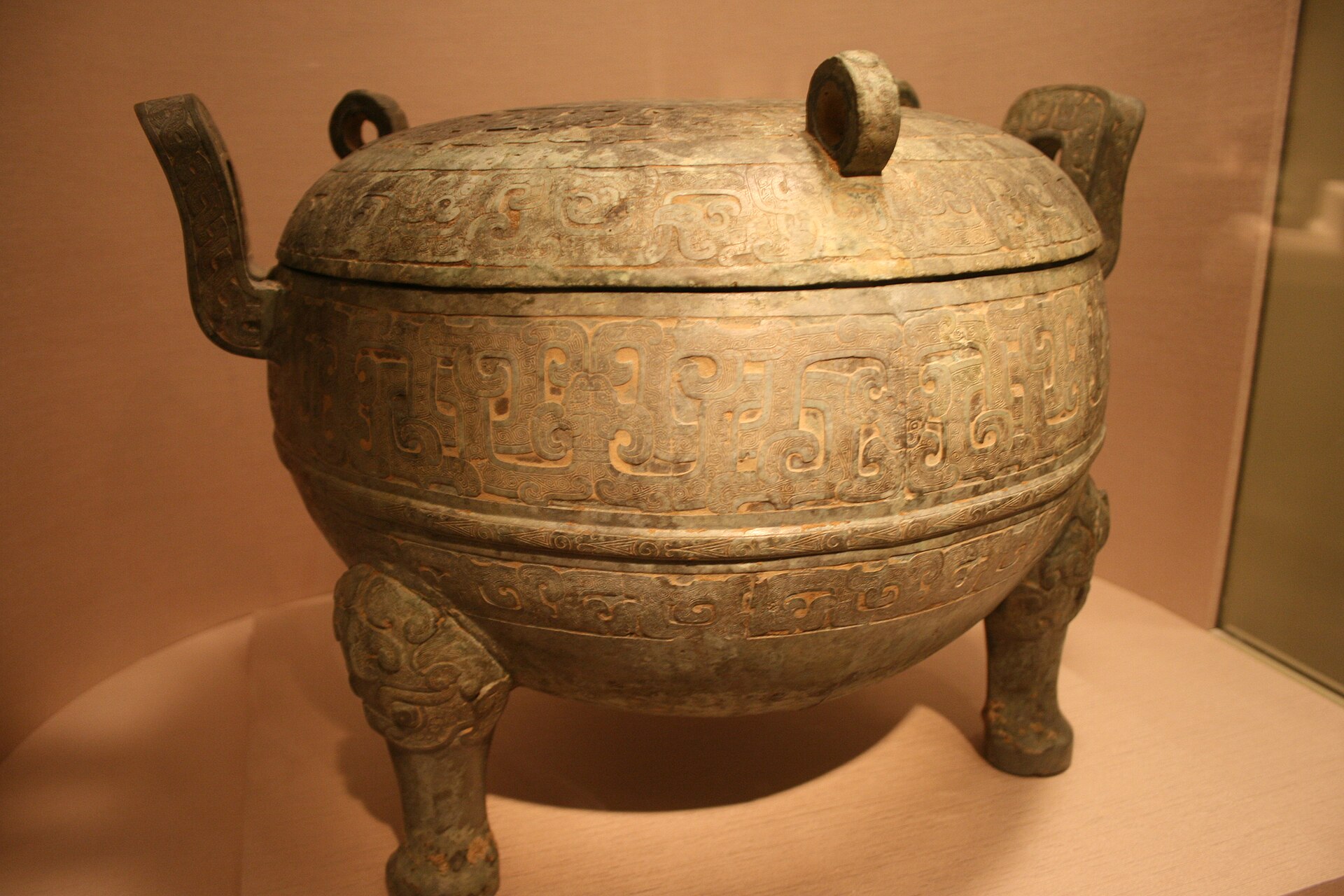
Mozi Preaches Universal Love Against War and Waste
A craftsman-philosopher argued that people should care for strangers as their own and that lavish rites robbed the poor.
In the fifth century BCE, as China entered the turbulent Warring States period, the philosopher Mozi founded the Mohist school of thought. Some early sources say he came from the state of Lu, though little about his origins is certain. Unlike many aristocratic thinkers of his era, Mozi probably came from the artisan class, likely as a carpenter, and his school became known for its skill in fortification. He gathered a disciplined community of followers, later organized into groups each led by a grand master. Together, they traveled between warring territories to offer technical defense assistance and advocate an ethical order aimed at protecting common people from the violence of competing rulers.
Central to Mozi's thought was the doctrine of impartial care, or universal love. He argued against the graded hierarchy of familial obligations championed by Confucius, insisting that moral concern should extend equally to all individuals. According to the texts preserved in the Mozi anthology, societal turmoil arose because rulers and families favored their own interests above those of their neighbors. Mozi held that genuine filial devotion involved treating other people's parents with the same care one wished for one's own, maintaining that Heaven rewarded reciprocal benevolence and disapproved of selfish exploitation.

Keep reading in Yester
Coming soonKeep following the story
Sources
Image: Gary Todd from Xinzheng, China · CC0 · Wikimedia Commons · cropped
